Paula

Pop
Indie Pop
Mainstream Pop
 Viberate Rank: 336106
 Viberate Rank: 336106
 Monthly ListenersFollowers
 Subscribers
 Followers
 Followers
 FansTop Spotify Songs
| Track | 7-Day Streams | |
|---|---|---|
1 | 1.56K | |
2 | 1.36K | |
3 | 680 | |
4 | 72 | |
5 | 59 |
Top YouTube VideosMonthly ListenersFeatured in Playlists| Playlist | Followers | |
|---|---|---|
1 |  Deutsche Hits der 2000er my.charts.music | 13.33K |
2 |  Eis am Stiel - Best Of Hardy Leben | 11.27K |
3 |  200 fantastic tracks from Dekmantel 2017 Mixmag | 4.59K |
4 | rbb radio eins playlist carl_berg | 3.26K |
5 |  The Sound of German Pop The Sounds of Spotify | 2.24K |
Audience| City | Monthly Listeners | |
|---|---|---|
1 | | 859 |
2 | | 304 |
3 | | 300 |
4 | | 247 |
5 | | 217 |
See full performance history, audience data, playlist activity, rankings, comparisons, and more in Viberate music analytics. Start with a free trial, then continue with a paid plan.
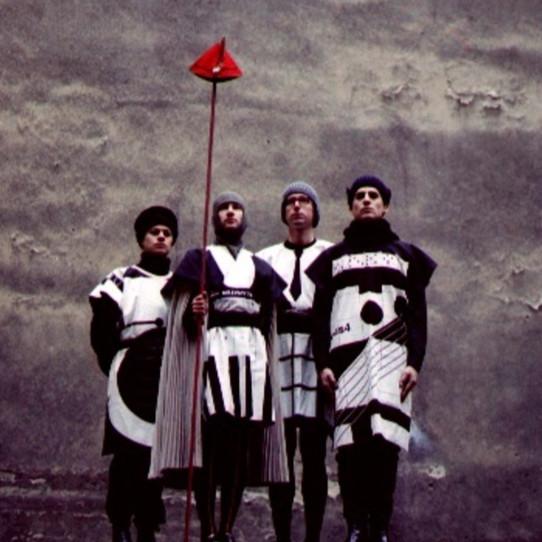
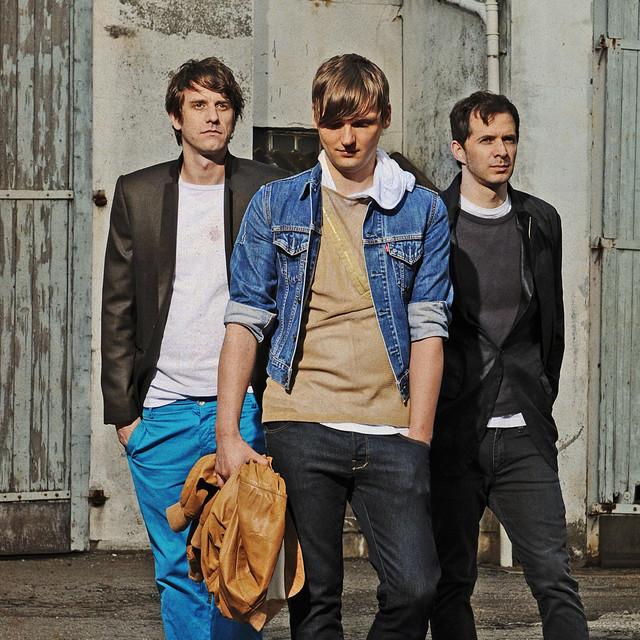
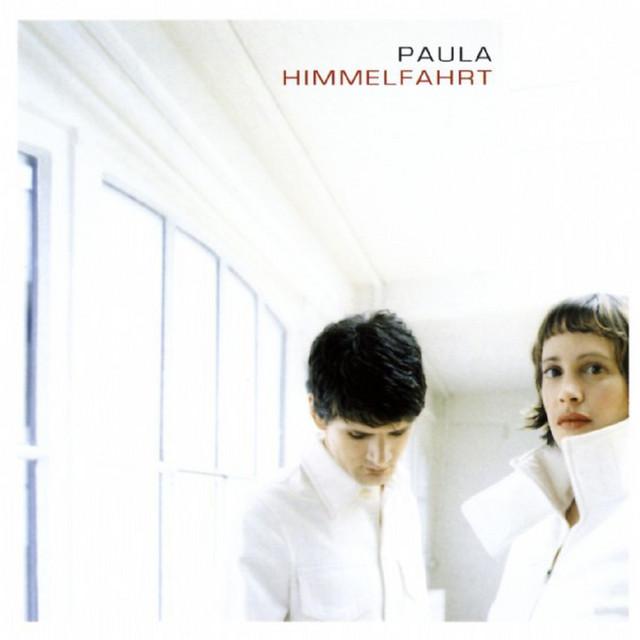
Paula’s Spotify BioA Berlin based pop group, Germany's Paula formed in 1997 when founders Berend Intelmann and Elke Brauweiler met at a Pet Shop Boys show in London. The pair released their first album, Himmelfahrt (in English, "Ascension"), in 2000 and released a pair of singles. In 2001, the follow-up, Liebe (or "Love," in English), was released, which was soon followed by Warum Berlin (or, "Why Berlin"). In 2005, Intelmann and guitarist Benjamin Schlez took their leave, and Brauweiler moved into a more active role with instrumentation. A larger band roster was explored for live shows, but no settled line-up was in place until around 2008, when Daniel Baumann took over on instrumentation and Barotti Marco took on drums. The original lineup was in place for 2005's Ruhig Blut ("Quiet Blood"), while 2008's So Wie Jetzt ("Just as Now") featured the new membership. ~ Chris True, Rovi
Viberate is a music analytics platform built for A&Rs, artist managers, labels, booking agents, marketers, and artists.
It helps music professionals track artist growth, analyze audience data, monitor playlist activity, compare artists, follow song performance, and identify opportunities across the music market.
Public artist pages provide a free preview of selected artist data. Paid plans provide access to deeper analytics, historical data, charts, comparisons, playlist tools, exports, alerts, reports, and additional professional features.
Yes. Public Viberate artist pages provide selected artist analytics and music data for free.
Viberate also offers a 7-day free trial of the full platform. A credit card is required to start the trial. The trial includes access to the complete product so users can test deeper artist analytics, historical views, playlist insights, comparisons, charts, exports, alerts, and reporting features before choosing a paid plan.
Viberate provides artist analytics across streaming, playlists, social media, video, radio airplay, songs, and audience markets.
Users can analyze Spotify performance, Spotify and Apple Music playlists, YouTube activity, TikTok and Instagram growth, radio spins, song performance, audience locations, demographics, rankings, and overall artist momentum.
Artist profiles also connect to music charts, similar artists, and comparison tools, helping users benchmark performance and evaluate artists in context.
Viberate updates key artist and track data daily.
For followed artists and tracks, selected data is refreshed multiple times per day. This helps teams monitor playlist changes, streaming movement, audience growth, releases, and campaign performance with more current data.
Update frequency can vary depending on the metric and data source.
Yes. Viberate lets users compare up to five artists side by side across streaming, social media, audience, and engagement metrics.
Users can compare fanbase growth, audience demographics, locations, Spotify performance, social metrics, and other artist data over selected time periods.
Artist comparison can be used for A&R scouting, benchmarking, booking decisions, campaign planning, and evaluating artists with similar audiences or market positions.