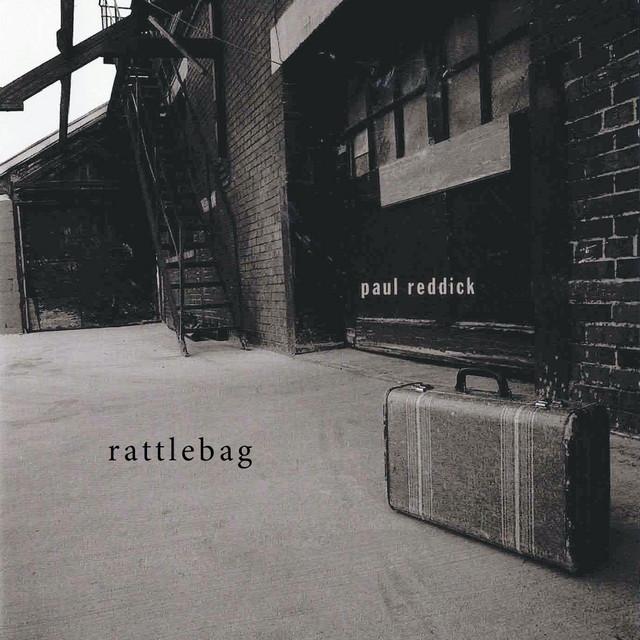
Paul Reddick

Rock
Folk Rock
Contemporary Blues
 Viberate Rank: 411375
 Viberate Rank: 411375
 Monthly ListenersFollowers
 Subscribers
 Followers
 Followers
 FansTop Spotify Songs
| Track | 7-Day Streams | |
|---|---|---|
1 | 212 | |
2 | 212 | |
3 | 71 | |
4 | 51 | |
5 | 38 |
Top YouTube VideosMonthly ListenersFeatured in Playlists| Playlist | Followers | |
|---|---|---|
1 |  Letterkenny Complete Soundtrack Dana Libhart | 46.91K |
2 | Modern Blues Rock Rob Baier | 10.40K |
3 |  Blues Guitar Masters True North Records | 6.93K |
4 |  BAD ASS Blues 🕶 Johan Dahlkvist | 3.66K |
5 |  Blues badass Darko Bjekovic | 3.43K |
Audience| City | Monthly Listeners | |
|---|---|---|
1 | | 73 |
2 | | 18 |
3 |  | 18 |
4 | | 14 |
5 | | 13 |
See full performance history, audience data, playlist activity, rankings, comparisons, and more in Viberate music analytics. Start with a free trial, then continue with a paid plan.
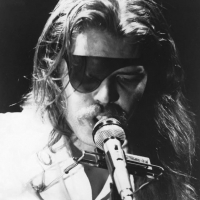
Paul Reddick’s Spotify BioA Canadian blues musician who got his start playing the harmonica at the age of 12, Paul Reddick would eventually form the band the Sidemen in 1990 and become a mainstay of the Canadian blues scene. With the Sidemen, Reddick released a handful -- three -- of full-length albums, and toured for the majority of the decade. The critically acclaimed album Rattlebag was released in 2001, and from that year Reddick's career took a decidedly plaudit- and award-filled turn. In 2002 the band won a three Maple Blues Awards, and spent the next two years bringing its sound to a wider audience in the United States. In 2004, Reddick and collaborator Colin Linden released the acclaimed Villanelle. Reddick was back in the spotlight in 2008, as he was nominated in the blues category in that year's Juno Awards. ~ Chris True, Rovi
Viberate is a music analytics platform built for A&Rs, artist managers, labels, booking agents, marketers, and artists.
It helps music professionals track artist growth, analyze audience data, monitor playlist activity, compare artists, follow song performance, and identify opportunities across the music market.
Public artist pages provide a free preview of selected artist data. Paid plans provide access to deeper analytics, historical data, charts, comparisons, playlist tools, exports, alerts, reports, and additional professional features.
Yes. Public Viberate artist pages provide selected artist analytics and music data for free.
Viberate also offers a 7-day free trial of the full platform. A credit card is required to start the trial. The trial includes access to the complete product so users can test deeper artist analytics, historical views, playlist insights, comparisons, charts, exports, alerts, and reporting features before choosing a paid plan.
Viberate provides artist analytics across streaming, playlists, social media, video, radio airplay, songs, and audience markets.
Users can analyze Spotify performance, Spotify and Apple Music playlists, YouTube activity, TikTok and Instagram growth, radio spins, song performance, audience locations, demographics, rankings, and overall artist momentum.
Artist profiles also connect to music charts, similar artists, and comparison tools, helping users benchmark performance and evaluate artists in context.
Viberate updates key artist and track data daily.
For followed artists and tracks, selected data is refreshed multiple times per day. This helps teams monitor playlist changes, streaming movement, audience growth, releases, and campaign performance with more current data.
Update frequency can vary depending on the metric and data source.
Yes. Viberate lets users compare up to five artists side by side across streaming, social media, audience, and engagement metrics.
Users can compare fanbase growth, audience demographics, locations, Spotify performance, social metrics, and other artist data over selected time periods.
Artist comparison can be used for A&R scouting, benchmarking, booking decisions, campaign planning, and evaluating artists with similar audiences or market positions.