Paul Reade

Pop
Mainstream Pop
Dance
 Viberate Rank: 462329
 Viberate Rank: 462329
 Monthly ListenersFollowers
 Subscribers
 Followers
 Followers
 FansTop Spotify SongsTop YouTube VideosMonthly ListenersFeatured in Playlists
| Playlist | Followers | |
|---|---|---|
1 |  Classical Study Music for Focus 🎻🎶 Prime Feelings | 191.75K |
2 |  Harp Classics Zeke Jacobsen | 11.85K |
3 | TV theme tunes Leah Webster | 9.65K |
4 |  Neo Classicals Alen Golpashin | 7.79K |
5 |  cozy cottagecore 🌸✨ The Gothard Sisters | 5.97K |
Audience| City | Monthly Listeners | |
|---|---|---|
1 |  | 571 |
2 | | 285 |
3 | | 275 |
4 |  | 186 |
5 |  | 171 |
See full performance history, audience data, playlist activity, rankings, comparisons, and more in Viberate music analytics. Start with a free trial, then continue with a paid plan.
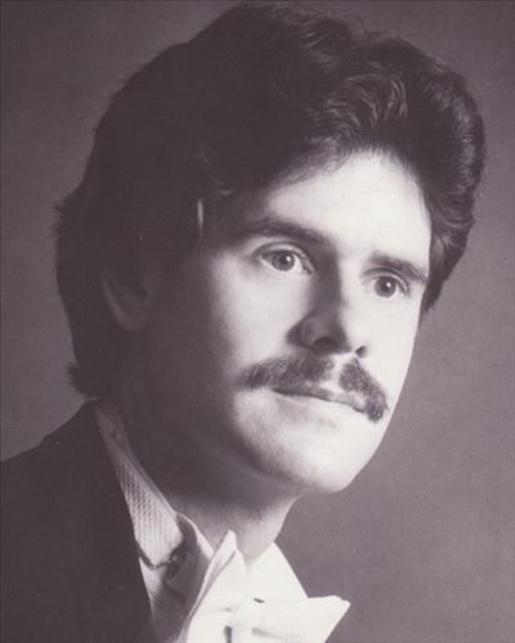
Paul Reade’s Spotify BioThe television soundtracks of composer Paul Reade were well known even to listeners who could not identify the composer. Reade also wrote a good deal of concert music, most of which received less exposure.
Reade was born on January 10, 1943, in Liverpool. His father was a fine pianist, and he was enthusiastic about music from an early age. Reade entered the Royal Academy of Music in 1962, studying piano and composition with Alan Richardson. For a time, he worked as a répétiteur at the English National Opera. In 1965, Reade's Overture to a City for orchestra was performed by the Academy Orchestra. Beginning in the late '60s, he was active as a composer for children's television, writing the theme song and much of the music for the British series Play School, arranging music of Beethoven for the animated series Ludwig, and contributing compositions to many other children's series. Reade also wrote an opera for children, David and Goliath (1975), and two works for narrator and orchestra… intended for young audiences, Cinderella (1980) and The Midas Touch (1982).
In the '80s, Reade turned to music for adult television shows, scoring the miniseries A Tale of Two Cities (1980), Great Expectations (1981), Jane Eyre (1983), and The Victorian Kitchen Garden (1989); the latter score earned an Ivor Novello Award. Reade had already composed several major concert works, including the cantata The Journey of the Winds (1976) and a Saxophone Quartet (1979), and his production of concert works increased during the '80s. His Flute Concerto (1985) was commissioned by the Manchester Camerata and premiered by flutist Philippa Davies; Reade and Davies were later married. Major works of Reade's later years were two ballets, Hobson's Choice (1989) and 1996's Far from the Madding Crowd; the latter was based on the novel by Thomas Hardy. Reade died from cancer, leaving several unfinished works, on June 7, 1997, in London. As of the mid-2020s, about a dozen of his works had been recorded, many of them on the Signum Classics collection A Celebration of Paul Reade in 2023. ~ James Manheim, Rovi
Viberate is a music analytics platform built for A&Rs, artist managers, labels, booking agents, marketers, and artists.
It helps music professionals track artist growth, analyze audience data, monitor playlist activity, compare artists, follow song performance, and identify opportunities across the music market.
Public artist pages provide a free preview of selected artist data. Paid plans provide access to deeper analytics, historical data, charts, comparisons, playlist tools, exports, alerts, reports, and additional professional features.
Yes. Public Viberate artist pages provide selected artist analytics and music data for free.
Viberate also offers a 7-day free trial of the full platform. A credit card is required to start the trial. The trial includes access to the complete product so users can test deeper artist analytics, historical views, playlist insights, comparisons, charts, exports, alerts, and reporting features before choosing a paid plan.
Viberate provides artist analytics across streaming, playlists, social media, video, radio airplay, songs, and audience markets.
Users can analyze Spotify performance, Spotify and Apple Music playlists, YouTube activity, TikTok and Instagram growth, radio spins, song performance, audience locations, demographics, rankings, and overall artist momentum.
Artist profiles also connect to music charts, similar artists, and comparison tools, helping users benchmark performance and evaluate artists in context.
Viberate updates key artist and track data daily.
For followed artists and tracks, selected data is refreshed multiple times per day. This helps teams monitor playlist changes, streaming movement, audience growth, releases, and campaign performance with more current data.
Update frequency can vary depending on the metric and data source.
Yes. Viberate lets users compare up to five artists side by side across streaming, social media, audience, and engagement metrics.
Users can compare fanbase growth, audience demographics, locations, Spotify performance, social metrics, and other artist data over selected time periods.
Artist comparison can be used for A&R scouting, benchmarking, booking decisions, campaign planning, and evaluating artists with similar audiences or market positions.