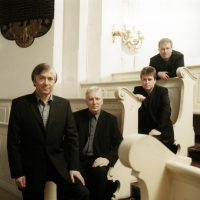
Paul Hillier

Classical
Orchestral
Choral
 Viberate Rank: 178695
 Viberate Rank: 178695
 Monthly ListenersFollowers
 Subscribers
 Followers
 Followers
 FansTop Spotify Songs
| Track | 7-Day Streams | |
|---|---|---|
1 | 7.89K | |
2 | 7.53K | |
3 | 4.57K | |
4 | 3.62K | |
5 | 2.86K |
Top YouTube VideosMonthly ListenersFeatured in Playlists| Playlist | Followers | |
|---|---|---|
1 |  Choir Classics Spotify | 302.05K |
2 |  1000 Recordings to Hear Before You Die (Tom Moon): Album Index Ulysses' Classical | 94.29K |
3 |  Gregorian Chants & Hymns for Sleep, Study & Solitude Joseph Santiago | 82.75K |
4 |  Renaissance Classics Spotify | 74.15K |
5 |  Aphex Twin: [mostly mellow] for Supreme Supreme | 44.15K |
Audience| City | Monthly Listeners | |
|---|---|---|
1 | | 2.44K |
2 |  | 1.47K |
3 |  | 1.46K |
4 |  | 1.39K |
5 |  | 1.01K |
See full performance history, audience data, playlist activity, rankings, comparisons, and more in Viberate music analytics. Start with a free trial, then continue with a paid plan.
Paul Hillier’s Spotify BioPaul Hillier is one of the leading figures in the early music movement, both as a singer and conductor. With an increasing interest in new music later in his career, he has performed and recorded music spanning from the 12th century to the 21st. He founded two world-class ensembles and has won several awards for his recordings, including two Grammys.
Hillier was born in Dorchester, England, on February 9, 1949. As a boy, he was a chorister at St. Paul's Cathedral in London. This position allowed him an opportunity to learn a wide expanse of choral repertoire, receive a thorough musical and general education at the St. Paul's Cathedral School, make important lifelong contacts, and earn great prestige. After graduating, he studied music at London's Guildhall. Hillier returned to St. Paul's Cathedral in 1973 as its vicar-scholar for one season, while also a member of the Queen's Chapel Royal at Windsor Castle. In 1974, he made his solo recital debut at the Purcell Room in London. In the… same year, he co-founded the Hilliard Ensemble, becoming its music director. The ensemble soon became one of the world's best-known early music vocal groups, and was much in demand for performances worldwide, making several best-selling and award-winning recordings. The all-male quartet specialized in Renaissance music. From 1980-1981, Hillier was a visiting professor at the University of California, Santa Cruz, after which he began to spend an increasing amount of time in the U.S. He was the Copland Colloquium Fellow at Amherst College in Massachusetts in 1984. During this time, he became more interested in new music and tried to get the Hilliard Ensemble to branch out in that direction. That, as well as a wish to add female voices and engage in the more theatrical style of performance presentation, led to his leaving the Ensemble.
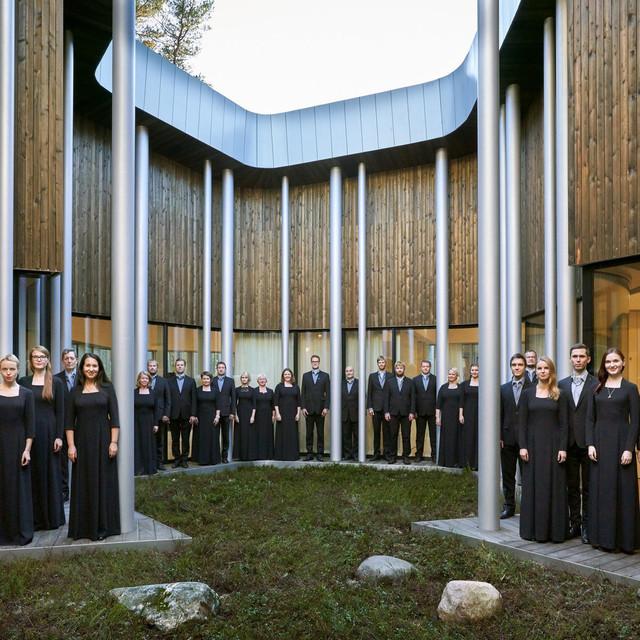
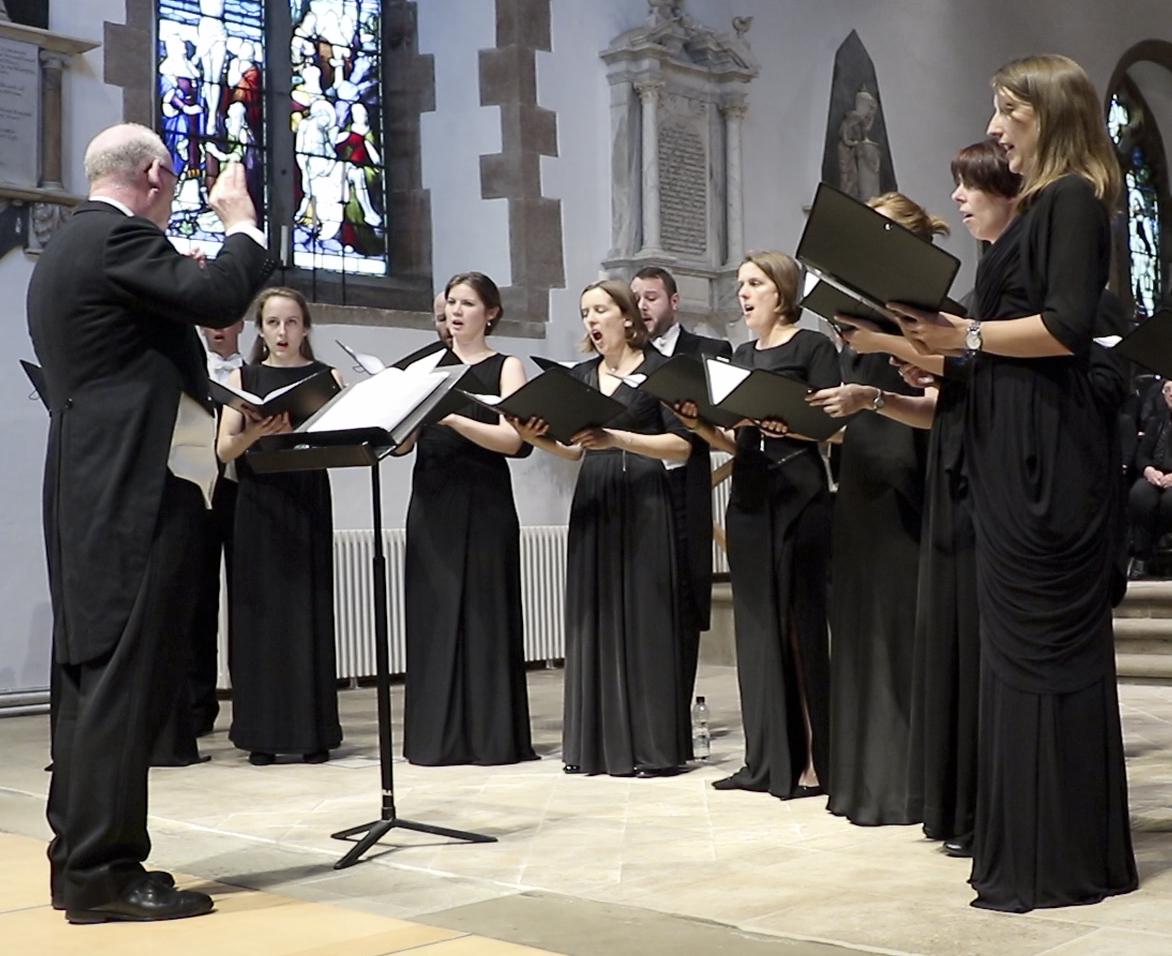
In 1990, Hillier moved to the U.S. to become a professor of music at the University of California, Davis. There, he founded Theatre of Voices, an ensemble of male and female singers specializing both in early and recent music, and performing in dynamic, theatrical stage presentations. Unlike the Hilliard Ensemble, it was planned to include a varying number of singers, depending on the demands of the performances. Theatre of Voices records exclusively for Harmonia Mundi, on which it has released a repertoire ranging from 12th century chant to the music of Arvo Pärt, including Litany for the Whale by John Cage, and a selection of early American religious music, including hymns sung in the "shaped note" tradition. From 1996-2003, Hillier was director of the Early Music Institute at Indiana University; he also conducted the university's early music choir, the Pro Arte Singers. From 2001-2008, he was the artistic director and principal conductor of the Estonian Philharmonic Chamber Choir. In 2003, Hillier became the chief conductor of the Ars Nova ensemble in Copenhagen, and in 2008, he began his role as the artistic director and chief conductor of the National Chamber Choir of Ireland.
Hillier has maintained an active career as a singer and conductor, frequently appearing in North America, Europe, and Japan, though he has relaxed this pace sufficiently to carry out his teaching and administrative responsibilities and also research and write. His books include 300 Years of English Partsongs, Romantic English Partsongs, The Catch Book, and a book on Estonian composer Arvo Pärt, and he is serving as editor of a book of collected writings of composer Steve Reich. Hillier has won many prizes for recordings, including Grammy Awards in 2007 for Arvo Pärt: Da Pacem and 2010 for David Lang: The Little Match Girl Passion. He has recorded on the Harmonia Mundi, ECM, EMI, Finlandia, Hyperion, and Dacapo labels.
Viberate is a music analytics platform built for A&Rs, artist managers, labels, booking agents, marketers, and artists.
It helps music professionals track artist growth, analyze audience data, monitor playlist activity, compare artists, follow song performance, and identify opportunities across the music market.
Public artist pages provide a free preview of selected artist data. Paid plans provide access to deeper analytics, historical data, charts, comparisons, playlist tools, exports, alerts, reports, and additional professional features.
Yes. Public Viberate artist pages provide selected artist analytics and music data for free.
Viberate also offers a 7-day free trial of the full platform. A credit card is required to start the trial. The trial includes access to the complete product so users can test deeper artist analytics, historical views, playlist insights, comparisons, charts, exports, alerts, and reporting features before choosing a paid plan.
Viberate provides artist analytics across streaming, playlists, social media, video, radio airplay, songs, and audience markets.
Users can analyze Spotify performance, Spotify and Apple Music playlists, YouTube activity, TikTok and Instagram growth, radio spins, song performance, audience locations, demographics, rankings, and overall artist momentum.
Artist profiles also connect to music charts, similar artists, and comparison tools, helping users benchmark performance and evaluate artists in context.
Viberate updates key artist and track data daily.
For followed artists and tracks, selected data is refreshed multiple times per day. This helps teams monitor playlist changes, streaming movement, audience growth, releases, and campaign performance with more current data.
Update frequency can vary depending on the metric and data source.
Yes. Viberate lets users compare up to five artists side by side across streaming, social media, audience, and engagement metrics.
Users can compare fanbase growth, audience demographics, locations, Spotify performance, social metrics, and other artist data over selected time periods.
Artist comparison can be used for A&R scouting, benchmarking, booking decisions, campaign planning, and evaluating artists with similar audiences or market positions.