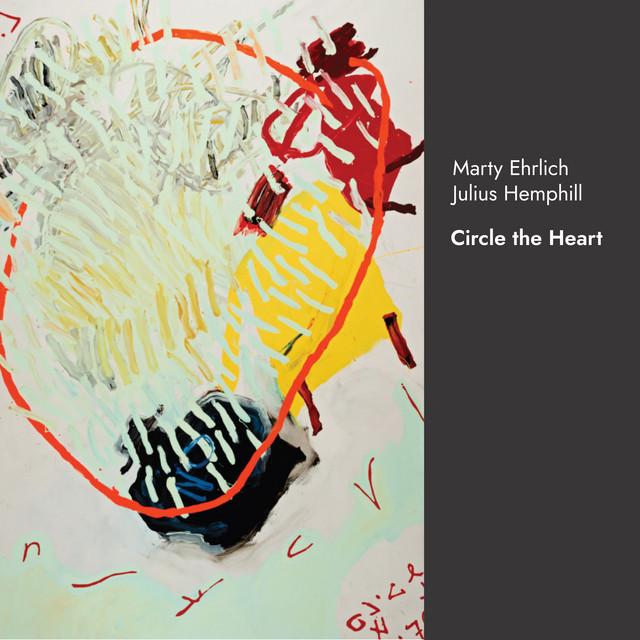
Paul Dunmall

Jazz
Smooth Jazz
Free Jazz
 Viberate Rank: 734020
 Viberate Rank: 734020
 Monthly ListenersFollowers
 Subscribers
 Followers
 Followers
 FansTop Spotify Songs
| Track | 7-Day Streams | |
|---|---|---|
1 | 10 | |
2 | 4 | |
3 | 4 | |
4 | 3 | |
5 | 3 |
Top YouTube VideosMonthly ListenersFeatured in Playlists| Playlist | Followers | |
|---|---|---|
1 | Post-Classical Spotify Ireland | 5.22K |
2 | FM Corporate Utopian Fantasy - Stock Music, 1984-1998 Jay Tholen | 2.10K |
3 |  Snob 2000: editie 2016 Ondergewaardeerde Liedjes | 1.22K |
Audience| City | Monthly Listeners | |
|---|---|---|
1 | | 13 |
2 |  | 3 |
3 |  | 3 |
4 | | 3 |
5 |  | 3 |
See full performance history, audience data, playlist activity, rankings, comparisons, and more in Viberate music analytics. Start with a free trial, then continue with a paid plan.
Paul Dunmall’s Spotify Biob. Welling, Kent, England. Tenor and soprano saxophonist Dunmall has built a striking reputation among fellow post-modernists. After starting on the clarinet at the age of 12, Dunmall graduated to alto and then tenor and joined his first band while still at school. He toured Europe with the avant garde rock group Marsupilami in 1969, before moving to America in the mid-70s where he played with Alice Coltrane and Johnny ‘Guitar’ Watson among others. Dunmall returned to England in 1976, and three years later co-founded the excellent modern jazz quartet Spirit Level. In 1985, he joined Alan Skidmore in Tenor Tonic, and the following year formed the Paul Dunmall Quartet with Tony Moore, Alex Maguire and Steve Noble. Among the other artists with whom Dunmall has subsequently worked are Elton Dean, Keith Tippett, Annie Whitehead, Paul Rogers, Mark Sanders, Tony Levin and John Adams, in addition to being a member of Mujician and the London Jazz Composers Orchestra.
An untrammelled improviser,… Dunmall has a deep sense of the roots of jazz and is also able to absorb into his playing other musical forms, including classical and, perhaps surprisingly, folk. Dunmall’s vigorous and adventurous improvisations area place intellectual and emotional demands upon his listeners and his uncompromising approach to his music has kept him away from widespread popular acceptance. Nevertheless, within the improvised music coterie his reputation has flourished. By the time of the late 90s set Bebop Starburst, his name was being recognized farther afield and his talents much more widely accepted. Additionally, and without diminishing his status as a major improviser, Dunmall has also developed as a skilled writer.
Viberate is a music analytics platform built for A&Rs, artist managers, labels, booking agents, marketers, and artists.
It helps music professionals track artist growth, analyze audience data, monitor playlist activity, compare artists, follow song performance, and identify opportunities across the music market.
Public artist pages provide a free preview of selected artist data. Paid plans provide access to deeper analytics, historical data, charts, comparisons, playlist tools, exports, alerts, reports, and additional professional features.
Yes. Public Viberate artist pages provide selected artist analytics and music data for free.
Viberate also offers a 7-day free trial of the full platform. A credit card is required to start the trial. The trial includes access to the complete product so users can test deeper artist analytics, historical views, playlist insights, comparisons, charts, exports, alerts, and reporting features before choosing a paid plan.
Viberate provides artist analytics across streaming, playlists, social media, video, radio airplay, songs, and audience markets.
Users can analyze Spotify performance, Spotify and Apple Music playlists, YouTube activity, TikTok and Instagram growth, radio spins, song performance, audience locations, demographics, rankings, and overall artist momentum.
Artist profiles also connect to music charts, similar artists, and comparison tools, helping users benchmark performance and evaluate artists in context.
Viberate updates key artist and track data daily.
For followed artists and tracks, selected data is refreshed multiple times per day. This helps teams monitor playlist changes, streaming movement, audience growth, releases, and campaign performance with more current data.
Update frequency can vary depending on the metric and data source.
Yes. Viberate lets users compare up to five artists side by side across streaming, social media, audience, and engagement metrics.
Users can compare fanbase growth, audience demographics, locations, Spotify performance, social metrics, and other artist data over selected time periods.
Artist comparison can be used for A&R scouting, benchmarking, booking decisions, campaign planning, and evaluating artists with similar audiences or market positions.