Paul Di'Anno

Metal
Heavy Metal
 Viberate Rank: 136796
 Viberate Rank: 136796
 Monthly ListenersFollowers
 Subscribers
 Followers
 Followers
 FansTop Spotify Songs
| Track | 7-Day Streams | |
|---|---|---|
1 | 1.68K | |
2 | 1.68K | |
3 | 1.30K | |
4 | 1.23K | |
5 | 1.17K |
Top YouTube Videos| Video | 7-Day Views | |
|---|---|---|
1 | 27 |
Monthly ListenersFeatured in Playlists| Playlist | Followers | |
|---|---|---|
1 |  Metal Christmas Spotify | 157.18K |
2 |  Metal am Mittwoch Spotify | 33.35K |
3 | "Perfect" Songs of All Genres, According to Various Forums (In NO Particular Order) For The Music Aficionados | 17.87K |
4 | Heavy Metal Ballads Kenneth Eriksen | 12.16K |
5 | EmTeeVee top 100 ehrsan | 9.41K |
Audience| City | Monthly Listeners | |
|---|---|---|
1 |  | 737 |
2 |  | 585 |
3 |  | 302 |
4 | | 190 |
5 | | 186 |
See full performance history, audience data, playlist activity, rankings, comparisons, and more in Viberate music analytics. Start with a free trial, then continue with a paid plan.
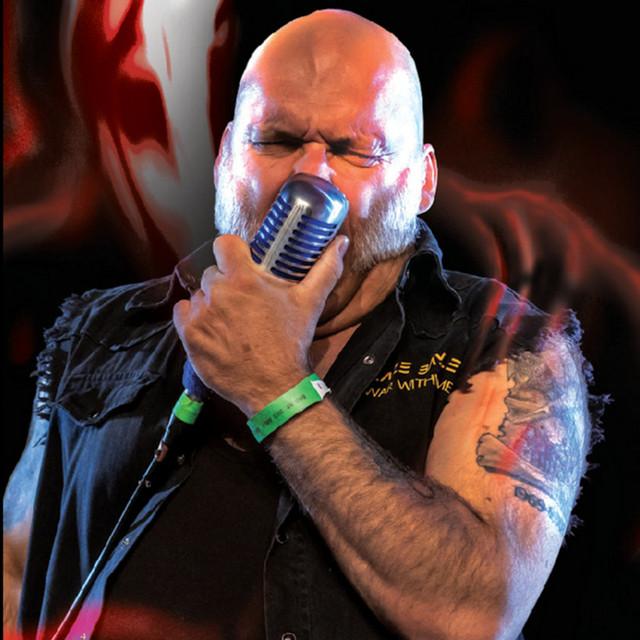
Paul Di'Anno’s Spotify BioIron Maiden may have enjoyed their biggest commercial success with singer Bruce Dickinson at the helm, but it was original singer Paul Di'Anno who played an important role in the British metal quintet's early formative days. Born on May 17, 1958, Di'Anno grew up in England -- spending his teenage years singing in various rock bands and working as a butcher and chef. He befriended bass player Steve Harris, who was looking to find a replacement for a singer that had just left his up-and-coming heavy metal band in 1977, Iron Maiden. Di'Anno tried out and got the gig, but times were tough for the band initially, as punk rock was at its apex in Britain, with many considering metal a dead dinosaur. But with the emergence of several new metal bands (Def Leppard, Saxon, Motörhead, Judas Priest, etc.), Iron Maiden soon found themselves part of the New Wave of British Heavy Metal movement. 1979 saw the release of Maiden's self-issued debut recording, The Soundhouse Tapes, which instantly sold… out its initial pressing of 6,000 copies, as the band built a devoted following.
Signed to EMI/Capitol shortly thereafter, Maiden set out on conquering the rest of the world. 1980's self-titled release quickly became a classic and influential debut, as the band merged punk's energy with metal's riffs, serving as the blueprint for such future hard rock genres as thrash and speed metal. 1981 saw the release of their sophomore effort, Killers, as well as a stopgap live EP, Maiden Japan. But despite worldwide success lurking just around the corner, Di'Anno was either booted from the band or left on his own by the fall of 1981 (he's since admitted that he was partying a tad too hard around the time of his departure from Maiden). As just about any '80s metal fan knows, Maiden found a worthy replacement in former Samson frontman Bruce Dickinson, and promptly became one of the world's top metal outfits.
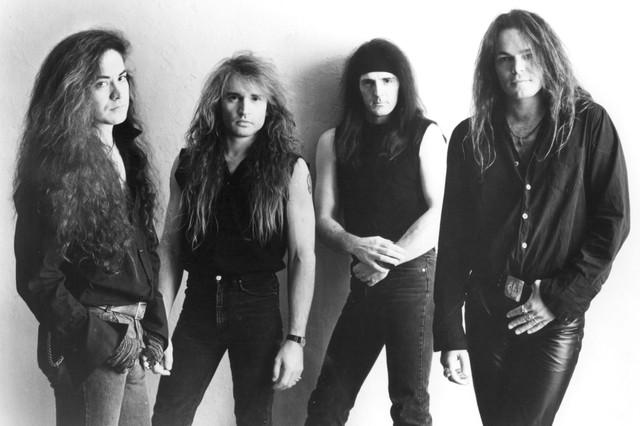
In his post-Maiden career, Di'Anno has issued numerous albums over the years, as both a solo artist and as a member of such bands as Gogmagog, Battlezone, Praying Mantis, and Killers. In the mid-'90s, rumors began to surface that Di'Anno might be rejoining Maiden (after the exit of Dickinson in 1993), but the speculation proved to be false, as Maiden hooked up with former Wolfsbane vocalist Blaze Bayley, before reuniting with Dickinson in 1999. By the dawn of the new millennium, Di'Anno was living in Brazil, still playing music (releasing his latest solo album, Nomad, in August of 2000), and overseeing a hotel/restaurant that he owns in England. Although he appeared on only two albums with Iron Maiden, their work with Paul Di'Anno remains among metal's all-time finest. In his last years, Di'Anno was beset with health problems that forced him to perform in a wheelchair, and he died on October 21, 2024, at the age of 66, with metal fans around the world mourning his loss. ~ Greg Prato, Rovi
Viberate is a music analytics platform built for A&Rs, artist managers, labels, booking agents, marketers, and artists.
It helps music professionals track artist growth, analyze audience data, monitor playlist activity, compare artists, follow song performance, and identify opportunities across the music market.
Public artist pages provide a free preview of selected artist data. Paid plans provide access to deeper analytics, historical data, charts, comparisons, playlist tools, exports, alerts, reports, and additional professional features.
Yes. Public Viberate artist pages provide selected artist analytics and music data for free.
Viberate also offers a 7-day free trial of the full platform. A credit card is required to start the trial. The trial includes access to the complete product so users can test deeper artist analytics, historical views, playlist insights, comparisons, charts, exports, alerts, and reporting features before choosing a paid plan.
Viberate provides artist analytics across streaming, playlists, social media, video, radio airplay, songs, and audience markets.
Users can analyze Spotify performance, Spotify and Apple Music playlists, YouTube activity, TikTok and Instagram growth, radio spins, song performance, audience locations, demographics, rankings, and overall artist momentum.
Artist profiles also connect to music charts, similar artists, and comparison tools, helping users benchmark performance and evaluate artists in context.
Viberate updates key artist and track data daily.
For followed artists and tracks, selected data is refreshed multiple times per day. This helps teams monitor playlist changes, streaming movement, audience growth, releases, and campaign performance with more current data.
Update frequency can vary depending on the metric and data source.
Yes. Viberate lets users compare up to five artists side by side across streaming, social media, audience, and engagement metrics.
Users can compare fanbase growth, audience demographics, locations, Spotify performance, social metrics, and other artist data over selected time periods.
Artist comparison can be used for A&R scouting, benchmarking, booking decisions, campaign planning, and evaluating artists with similar audiences or market positions.