Paul Brett

Rock
Progressive Rock
 Viberate Rank: 448807
 Viberate Rank: 448807
 Monthly ListenersFollowers
 Subscribers
 Followers
 Followers
 FansTop Spotify Songs
| Track | 7-Day Streams | |
|---|---|---|
1 | 43 | |
2 | 23 | |
3 | 22 | |
4 | 15 | |
5 | 6 |
Top YouTube VideosMonthly ListenersFeatured in Playlists| Playlist | Followers | |
|---|---|---|
1 | Best of Progressive Rock Niels N. | 51.41K |
2 |  70s Obscure Folk / Progressive Folk / Psychedelic Folk Darío Toscano | 4.39K |
3 |  Obscure 60s/70s/80s Prog Rock/Psych/Folk/Fusion Masterpieces Christian Feemster | 3.18K |
4 | Sunshine Pop Psych Era Motokuni Kiyomiya | 1.76K |
5 | Cerys Matthews 🔊 (BBC 6 Music) reacharound98 | 1.30K |
Audience| City | Monthly Listeners | |
|---|---|---|
1 |  | 6 |
2 | | 6 |
3 | | 6 |
4 |  | 5 |
5 |  | 4 |
See full performance history, audience data, playlist activity, rankings, comparisons, and more in Viberate music analytics. Start with a free trial, then continue with a paid plan.
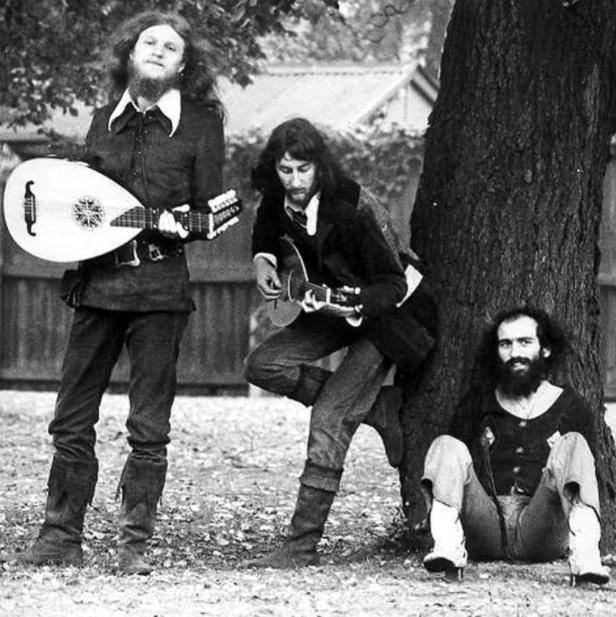
Paul Brett’s Spotify Biob. England. A former guitarist with 60s psych pop bands Tintern Abbey and Velvet Opera, Brett left the latter unit to record with Fire, a cultishly popular combo that featured Dave Lambert, a future member of the Strawbs. Fire’s original bass player, Dick DuFall and drummer, Bob Voice, then broke off to join Brett in his own group, Paul Brett’s Sage, which also featured guitarist Stuart Cowell. This unit recorded three strong albums for the Pye Records subsidiary Dawn at the start of the 70s. Brett then embarked on a singer-songwriter career, recording prolifically throughout the 70s and honing a tasteful yet accomplished style centered around his 12-string guitar work. He was regularly joined by members of the Strawbs. A 1974 collection, Clocks, is arguably his best remembered album, but as the decade progressed so his work became increasingly less exciting. His 1980 recording Romantic Guitar proved popular enough to rack up gold sales status.
During the following decade Brett opted… out of recording to concentrate on production and managerial work, but returned to an active music career in the late 90s recording for his Fretdancer label, sometimes in combination with fellow guitarist (and former Velvet Opera bandmate) John Joyce.
Viberate is a music analytics platform built for A&Rs, artist managers, labels, booking agents, marketers, and artists.
It helps music professionals track artist growth, analyze audience data, monitor playlist activity, compare artists, follow song performance, and identify opportunities across the music market.
Public artist pages provide a free preview of selected artist data. Paid plans provide access to deeper analytics, historical data, charts, comparisons, playlist tools, exports, alerts, reports, and additional professional features.
Yes. Public Viberate artist pages provide selected artist analytics and music data for free.
Viberate also offers a 7-day free trial of the full platform. A credit card is required to start the trial. The trial includes access to the complete product so users can test deeper artist analytics, historical views, playlist insights, comparisons, charts, exports, alerts, and reporting features before choosing a paid plan.
Viberate provides artist analytics across streaming, playlists, social media, video, radio airplay, songs, and audience markets.
Users can analyze Spotify performance, Spotify and Apple Music playlists, YouTube activity, TikTok and Instagram growth, radio spins, song performance, audience locations, demographics, rankings, and overall artist momentum.
Artist profiles also connect to music charts, similar artists, and comparison tools, helping users benchmark performance and evaluate artists in context.
Viberate updates key artist and track data daily.
For followed artists and tracks, selected data is refreshed multiple times per day. This helps teams monitor playlist changes, streaming movement, audience growth, releases, and campaign performance with more current data.
Update frequency can vary depending on the metric and data source.
Yes. Viberate lets users compare up to five artists side by side across streaming, social media, audience, and engagement metrics.
Users can compare fanbase growth, audience demographics, locations, Spotify performance, social metrics, and other artist data over selected time periods.
Artist comparison can be used for A&R scouting, benchmarking, booking decisions, campaign planning, and evaluating artists with similar audiences or market positions.