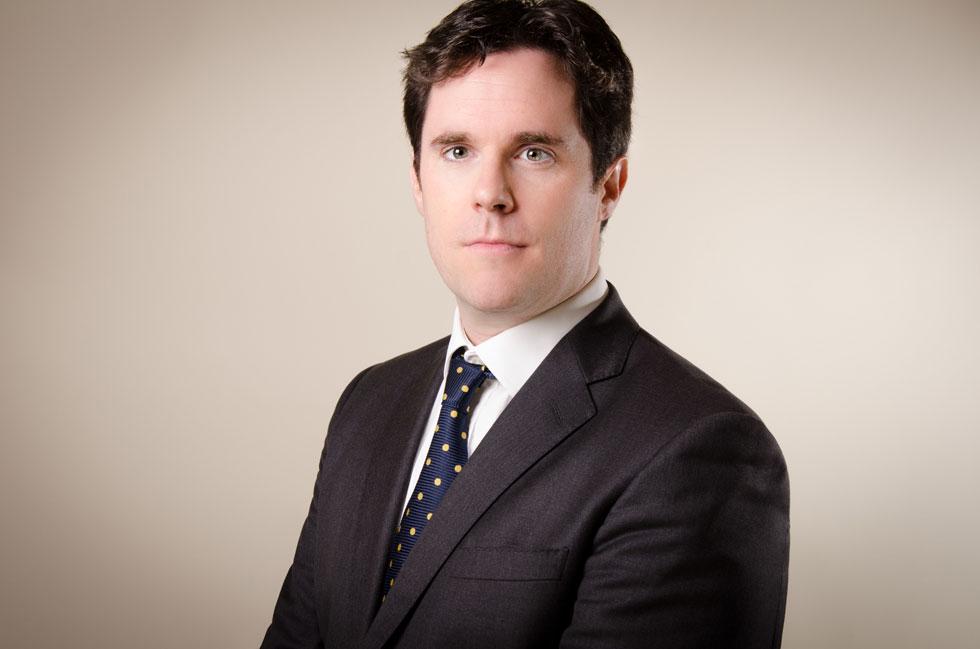
Paul Agnew

Classical
Orchestral
Choral
 Viberate Rank: 287053
 Viberate Rank: 287053
 Monthly ListenersFollowers
 Subscribers
 Followers
 Followers
 FansTop Spotify Songs
| Track | 7-Day Streams | |
|---|---|---|
1 | 1.61K | |
2 | 1.17K | |
3 | 520 | |
4 | 501 | |
5 | 454 |
Top YouTube VideosMonthly ListenersFeatured in Playlists| Playlist | Followers | |
|---|---|---|
1 |  This Is Purcell Spotify | 35.80K |
2 |  Klassieke Top 400 (2026) | NPO Klassiek NPO Klassiek | 24.19K |
3 | MUSICA BARROCA para concentrarse Eva Represa | 23.46K |
4 |  Livres Audio Corinne Xantheas | 19.74K |
5 |  🤎💼 LivBorges:) | 7.00K |
Audience| City | Monthly Listeners | |
|---|---|---|
1 |  | 365 |
2 |  | 360 |
3 | | 341 |
4 |  | 330 |
5 |  | 284 |
See full performance history, audience data, playlist activity, rankings, comparisons, and more in Viberate music analytics. Start with a free trial, then continue with a paid plan.
Paul Agnew’s Spotify BioOne of the world's foremost tenors specializing in Baroque opera and choral music, Paul Agnew has a long vocal résumé that includes works of many nationalities and time periods. He has also turned to conducting in the second half of his career, becoming the first conductor other than founder William Christie to lead the noted French Baroque ensemble Les Arts Florissants.
Agnew was born in Glasgow on April 11, 1964. He attended Magdalen College at Oxford University as a choral scholar, performing in the school's famous chapel choir in addition to his academic studies. When he graduated, London's early music scene was burgeoning, and there were plenty of opportunities for a young singer. He performed in the Consort of Musicke and also sang at various times with The Sixteen, Gothic Voices, and The Tallis Scholars. Launching a career as a soloist in the early '90s, Agnew attracted Christie's attention and was offered the chance to move to France to perform with Les Arts Florissants. He was… soon the group's lead vocal soloist, performing lead roles in such operas as Rameau's Hippolyte et Aricie, in a production that traveled around France and as far as New York. Agnew was a tenor, but he also sang in a high register in a voice known in French as the haute-contre. He has sometimes been described as a countertenor as well as a tenor, but the haute-contre, of which Agnew was one of the few exponents when he began taking such roles in the '90s, has a different vocal quality that involves less falsetto than a true countertenor voice. Although Agnew has devoted much of his career to Les Arts Florissants, he has also sung in English and has recorded a wide variety of material, including songs of Ivor Gurney and, in 2001, Beethoven's settings of English-language folk songs. He has also performed in large choral works by Bach and others and recorded English voice and lute music with lutenist Christopher Wilson.
In 2007, Agnew began leading Les Arts Florissants as associate conductor; he began to conduct the group more and more often, and later, he was named joint music director. In 2018, conducting Les Arts Florissants, he released an album devoted to little-known French Baroque motet composers Sébastien de Brossard and Pierre Bouteiller. Christie remains the artistic director of Les Arts Florissants, but Agnew has begun to conduct the group more often. He has led music from beyond the French Baroque, initiating recorded series of the madrigals of Monteverdi and Gesualdo in the 2010s and 2020s. In 2023, the Gesualdo series concluded with recordings of the composer's Fifth and Sixth Books of Madrigals and the Tenebrae Responsories. ~ James Manheim, Rovi
Viberate is a music analytics platform built for A&Rs, artist managers, labels, booking agents, marketers, and artists.
It helps music professionals track artist growth, analyze audience data, monitor playlist activity, compare artists, follow song performance, and identify opportunities across the music market.
Public artist pages provide a free preview of selected artist data. Paid plans provide access to deeper analytics, historical data, charts, comparisons, playlist tools, exports, alerts, reports, and additional professional features.
Yes. Public Viberate artist pages provide selected artist analytics and music data for free.
Viberate also offers a 7-day free trial of the full platform. A credit card is required to start the trial. The trial includes access to the complete product so users can test deeper artist analytics, historical views, playlist insights, comparisons, charts, exports, alerts, and reporting features before choosing a paid plan.
Viberate provides artist analytics across streaming, playlists, social media, video, radio airplay, songs, and audience markets.
Users can analyze Spotify performance, Spotify and Apple Music playlists, YouTube activity, TikTok and Instagram growth, radio spins, song performance, audience locations, demographics, rankings, and overall artist momentum.
Artist profiles also connect to music charts, similar artists, and comparison tools, helping users benchmark performance and evaluate artists in context.
Viberate updates key artist and track data daily.
For followed artists and tracks, selected data is refreshed multiple times per day. This helps teams monitor playlist changes, streaming movement, audience growth, releases, and campaign performance with more current data.
Update frequency can vary depending on the metric and data source.
Yes. Viberate lets users compare up to five artists side by side across streaming, social media, audience, and engagement metrics.
Users can compare fanbase growth, audience demographics, locations, Spotify performance, social metrics, and other artist data over selected time periods.
Artist comparison can be used for A&R scouting, benchmarking, booking decisions, campaign planning, and evaluating artists with similar audiences or market positions.