Patenbrigade: Wolff

Electronic
Other Electronic Music
 Viberate Rank: 210544
 Viberate Rank: 210544
 Monthly ListenersFollowers
 Subscribers
 Followers
 Followers
 FansTop Spotify SongsTop YouTube VideosMonthly ListenersFeatured in Playlists
| Playlist | Followers | |
|---|---|---|
1 |  Industrial | EBM | Darkwave | Dark Electro | Aggrotech | Industrial Techno by DARKLARK darklark | 22.25K |
2 | 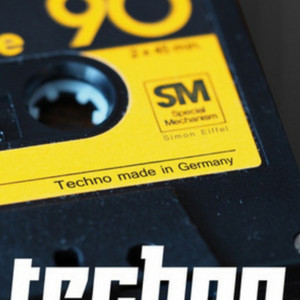 Techno made in Germany nagelsbaum | 10.44K |
3 | EBM, Dark-Electro & Futurepop kruugz | 8.03K |
4 |  Gothy Dark Electro Dance Club Sin Fox | 6.20K |
5 | EBM | Electronic Body Music | Electro Punk by DARKLARK darklark | 5.61K |
Audience| City | Monthly Listeners | |
|---|---|---|
1 | | 217 |
2 | | 124 |
3 | | 98 |
4 | | 97 |
5 | | 86 |
See full performance history, audience data, playlist activity, rankings, comparisons, and more in Viberate music analytics. Start with a free trial, then continue with a paid plan.
Patenbrigade: Wolff’s Spotify BioPatenbrigade: Wolff are a Berlin-based electronic ambient duo whose music employs construction-worker motifs and is stylistically diverse, incorporating aspects of EMB, industrial, ambient, and synth pop. Citing influences including Kraftwerk, Future Sound of London, Front 242, Depeche Mode, and Tangerine Dream, the duo was originally founded in 1998 as a side project of former Dust of Basement trio member Sven Wolff in collaboration with Lance Murdock. Wolff and Murdock made their recording debut as Patenbrigade: Wolff in 2001 on the independent label Zweieck Recordings with the full-length album Laut (later remastered and reissued in 2007 as 12.1.21.20). In 2003 the duo released its second album, Werkzeugbuch, followed by the maxi-singles Ostberliner Bauarbeiter (2004) and Gefahrstoffe (2006). The title tracks of these two maxi-singles reappeared on the third Patenbrigade: Wolff album, Hochstapler (2007), along with the title track from yet another maxi-single, Maurerradio (2007).… The duo's output continued in 2007 with the one-off maxi-single Turmdrehkran and the aforementioned reissue of the debut album Laut as 12.1.21.20, and then in 2008 came Demokratischer Sektor, a compilation of greatest hits, remixes, and new recordings whose title track was also released as a stand-alone maxi-single. ~ Jason Birchmeier, Rovi
Viberate is a music analytics platform built for A&Rs, artist managers, labels, booking agents, marketers, and artists.
It helps music professionals track artist growth, analyze audience data, monitor playlist activity, compare artists, follow song performance, and identify opportunities across the music market.
Public artist pages provide a free preview of selected artist data. Paid plans provide access to deeper analytics, historical data, charts, comparisons, playlist tools, exports, alerts, reports, and additional professional features.
Yes. Public Viberate artist pages provide selected artist analytics and music data for free.
Viberate also offers a 7-day free trial of the full platform. A credit card is required to start the trial. The trial includes access to the complete product so users can test deeper artist analytics, historical views, playlist insights, comparisons, charts, exports, alerts, and reporting features before choosing a paid plan.
Viberate provides artist analytics across streaming, playlists, social media, video, radio airplay, songs, and audience markets.
Users can analyze Spotify performance, Spotify and Apple Music playlists, YouTube activity, TikTok and Instagram growth, radio spins, song performance, audience locations, demographics, rankings, and overall artist momentum.
Artist profiles also connect to music charts, similar artists, and comparison tools, helping users benchmark performance and evaluate artists in context.
Viberate updates key artist and track data daily.
For followed artists and tracks, selected data is refreshed multiple times per day. This helps teams monitor playlist changes, streaming movement, audience growth, releases, and campaign performance with more current data.
Update frequency can vary depending on the metric and data source.
Yes. Viberate lets users compare up to five artists side by side across streaming, social media, audience, and engagement metrics.
Users can compare fanbase growth, audience demographics, locations, Spotify performance, social metrics, and other artist data over selected time periods.
Artist comparison can be used for A&R scouting, benchmarking, booking decisions, campaign planning, and evaluating artists with similar audiences or market positions.