Pascow

Punk
Punk Rock
 Viberate Rank: 78852
 Viberate Rank: 78852
 Monthly ListenersFollowers
 Subscribers
 Followers
 Followers
 FansTop Spotify Songs
| Track | 7-Day Streams | |
|---|---|---|
1 | 19.49K | |
2 | 8.79K | |
3 | 5.33K | |
4 | 5.07K | |
5 | 4.75K |
Top YouTube VideosMonthly ListenersFeatured in Playlists| Playlist | Followers | |
|---|---|---|
1 |  Fidi & Bumsi Spotify | 353.24K |
2 |  Klare Kante Spotify | 122.50K |
3 |  Emerging Punk 🔥 NeverGrownUp-Playlists | 28.27K |
4 |  Rock Radio Mix leonie.rock | 9.98K |
5 |  Pinky Blinders Telmo | 9.76K |
Audience| City | Monthly Listeners | |
|---|---|---|
1 | | 8.30K |
2 | | 7.27K |
3 | | 6.42K |
4 | | 5.00K |
5 | | 4.29K |
See full performance history, audience data, playlist activity, rankings, comparisons, and more in Viberate music analytics. Start with a free trial, then continue with a paid plan.
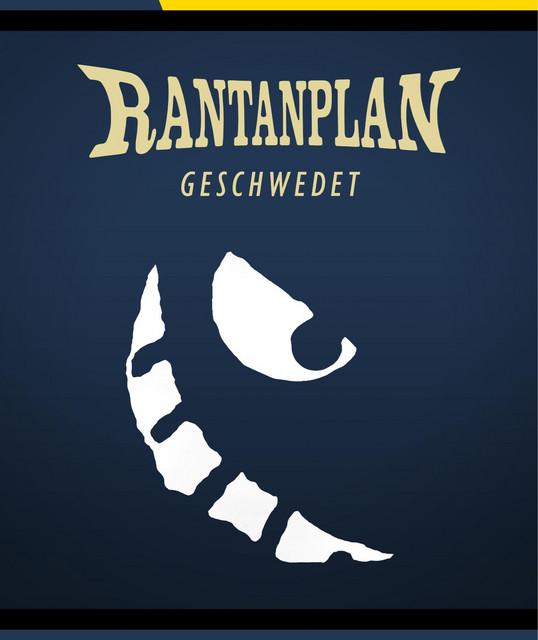
Pascow’s Spotify BioDer Name der Band stammt aus Stephen Kings Roman Friedhof der Kuscheltiere, in dem ein „Victor Pascow“ vorkommt. Die Gruppe gründete sich 1998 in Gimbweiler in Rheinland-Pfalz um das Brüderpaar Alex und Ollo Pascow. 1999 erschien die Demokassette The Charles Bronson Gay Club. Aus dem DIY-Gedanken heraus gründete die Band das Independent-Label Kidnap Music, um ihre Musik auf Tonträger zu veröffentlichen.
Für die ersten drei Alben arbeitete die Band eng mit der Plattenfirma des Plastic-Bomb-Fanzines zusammen. 2002 erschien ihr Debütalbum Richard Nixon Discopistole.. 2004 stieß der ehemalige Across the Border-Bassist Bieber zur Band. Mit ihm erschienen die beiden Alben Geschichten, die einer schrieb…, das durch seine metallische Produktion auffiel, und Nächster Halt gefliester Boden, das die Band musikalisch gereifter, aber auch aggressiver präsentierte. 2008 kam mit Bassist Flo ein Neuzugang in die Band. Gleichzeitig wechselte die Band das Label von Plastic Bomb zu Rookie Records. 2010… erschien das Album Alles muss kaputt sein. Am 28. Februar 2014 erschien das Album Diene der Party. Neben der normalen Digipack- und LP-Version erschien ein Box-Set, das eine LP, eine MP3-Version des Albums sowie ein Buch im LP-Format beinhaltete. Das Buch enthält neben den Texten Kurzgeschichten von Undergroundliteraten wie Jan Off, Alex Gräbeldinger und Chris Scholz sowie eine Fan-Kurzgeschichte zu verschiedenen Liedern von Pascow. Anfang 2019 erschien ihr sechstes Album Jade.
Viberate is a music analytics platform built for A&Rs, artist managers, labels, booking agents, marketers, and artists.
It helps music professionals track artist growth, analyze audience data, monitor playlist activity, compare artists, follow song performance, and identify opportunities across the music market.
Public artist pages provide a free preview of selected artist data. Paid plans provide access to deeper analytics, historical data, charts, comparisons, playlist tools, exports, alerts, reports, and additional professional features.
Yes. Public Viberate artist pages provide selected artist analytics and music data for free.
Viberate also offers a 7-day free trial of the full platform. A credit card is required to start the trial. The trial includes access to the complete product so users can test deeper artist analytics, historical views, playlist insights, comparisons, charts, exports, alerts, and reporting features before choosing a paid plan.
Viberate provides artist analytics across streaming, playlists, social media, video, radio airplay, songs, and audience markets.
Users can analyze Spotify performance, Spotify and Apple Music playlists, YouTube activity, TikTok and Instagram growth, radio spins, song performance, audience locations, demographics, rankings, and overall artist momentum.
Artist profiles also connect to music charts, similar artists, and comparison tools, helping users benchmark performance and evaluate artists in context.
Viberate updates key artist and track data daily.
For followed artists and tracks, selected data is refreshed multiple times per day. This helps teams monitor playlist changes, streaming movement, audience growth, releases, and campaign performance with more current data.
Update frequency can vary depending on the metric and data source.
Yes. Viberate lets users compare up to five artists side by side across streaming, social media, audience, and engagement metrics.
Users can compare fanbase growth, audience demographics, locations, Spotify performance, social metrics, and other artist data over selected time periods.
Artist comparison can be used for A&R scouting, benchmarking, booking decisions, campaign planning, and evaluating artists with similar audiences or market positions.