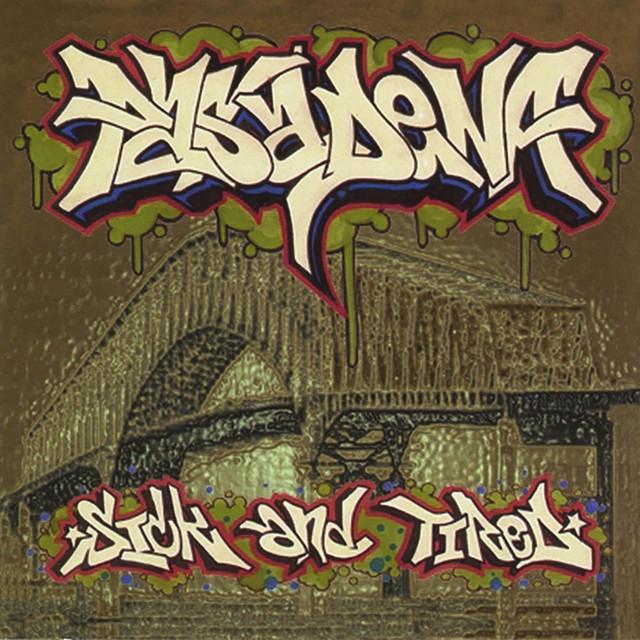
Pasadena

Rock
Indie Rock
Reggae Fusion
 Viberate Rank: 235289
 Viberate Rank: 235289
 Monthly ListenersFollowers
 Subscribers
 Followers
 Followers
 FansTop Spotify Songs
| Track | 7-Day Streams | |
|---|---|---|
1 | 1.40K | |
2 | 893 | |
3 | 650 | |
4 | 616 | |
5 | 429 |
Top YouTube VideosMonthly ListenersFeatured in Playlists| Playlist | Followers | |
|---|---|---|
1 |  Romantic slow songs Bones | 9.29K |
2 |  PUNK ACOUSTIC 🟧 DAISYFLOWER • RECORDS | 886 |
3 | Ashley's safe for work 🔥✨ Ashley Hayes | 30 |
4 | Joey/Pasadena/🦋 ~blue~ | 5 |
5 | Brapp braapp ting Colm Line | 4 |
Audience| City | Monthly Listeners | |
|---|---|---|
1 | | 496 |
2 | | 235 |
3 | | 193 |
4 | | 189 |
5 | | 169 |
See full performance history, audience data, playlist activity, rankings, comparisons, and more in Viberate music analytics. Start with a free trial, then continue with a paid plan.
Pasadena’s Spotify BioPasadena was founded in 2000 by Joey Harkum on acoustic guitar and vocals, Aaron Hooper on bass, Will Finley on lead guitar and Ben Cowdery on drums. The band started out as a group of three friends from Pasadena, MD – Joey Harkum, Will Finley and Aaron Hooper. “We were too young to get into open mics, so we repeatedly sneaked in and performed anyway in and around our hometown. Eventually the three of us began to be referred to as “the boys from Pasadena,” and the band name “Pasadena” was born.” The band is known as an “originalist” in a business that loves cover songs, they only perform their own work. Describing them can be a challenge. A mixture of “singer/songwriter driven rock, reggae and ska” does a good job of covering most of what they produce when together but really just begins to scratch the surface. The band built up a strong following in their hometown and throughout the U.S., connecting with audiences through original music marked by smooth bass lines, personal lyrics,… infectious rhythms and lush harmonies.
However, in 2017 after relentless touring across the US, the band decided to hang it up. Inevitably the retirement was short lived as they decided to play again with a reunion show to a sold out crowd at Baltimore Soundstage show in August of 2019 and the itch to start playing again started. The band is currently still only playing sparingly but enough to keep their fans happy and wanting more.
Viberate is a music analytics platform built for A&Rs, artist managers, labels, booking agents, marketers, and artists.
It helps music professionals track artist growth, analyze audience data, monitor playlist activity, compare artists, follow song performance, and identify opportunities across the music market.
Public artist pages provide a free preview of selected artist data. Paid plans provide access to deeper analytics, historical data, charts, comparisons, playlist tools, exports, alerts, reports, and additional professional features.
Yes. Public Viberate artist pages provide selected artist analytics and music data for free.
Viberate also offers a 7-day free trial of the full platform. A credit card is required to start the trial. The trial includes access to the complete product so users can test deeper artist analytics, historical views, playlist insights, comparisons, charts, exports, alerts, and reporting features before choosing a paid plan.
Viberate provides artist analytics across streaming, playlists, social media, video, radio airplay, songs, and audience markets.
Users can analyze Spotify performance, Spotify and Apple Music playlists, YouTube activity, TikTok and Instagram growth, radio spins, song performance, audience locations, demographics, rankings, and overall artist momentum.
Artist profiles also connect to music charts, similar artists, and comparison tools, helping users benchmark performance and evaluate artists in context.
Viberate updates key artist and track data daily.
For followed artists and tracks, selected data is refreshed multiple times per day. This helps teams monitor playlist changes, streaming movement, audience growth, releases, and campaign performance with more current data.
Update frequency can vary depending on the metric and data source.
Yes. Viberate lets users compare up to five artists side by side across streaming, social media, audience, and engagement metrics.
Users can compare fanbase growth, audience demographics, locations, Spotify performance, social metrics, and other artist data over selected time periods.
Artist comparison can be used for A&R scouting, benchmarking, booking decisions, campaign planning, and evaluating artists with similar audiences or market positions.