Parvaaz

Rock
Progressive Rock
Indie Rock
 Viberate Rank: 87560
 Viberate Rank: 87560
 Monthly ListenersFollowers
 Subscribers
 Followers
 Followers
 FansTop Spotify Songs
| Track | 7-Day Streams | |
|---|---|---|
1 | 3.97K | |
2 | 2.70K | |
3 | 2.21K | |
4 | 1.75K | |
5 | 1.65K |
Top YouTube VideosMonthly ListenersFeatured in Playlists| Playlist | Followers | |
|---|---|---|
1 |  Desi Indie Spotify | 224.07K |
2 |  Rock in India Spotify | 54.47K |
3 |  shoegaze essentials Heloísa | 33.14K |
4 |  Indie Medium - Fresh Music Sagar Kari | 29.41K |
5 |  pahado mein chale? hreelina | 27.75K |
Audience| City | Monthly Listeners | |
|---|---|---|
1 | | 2.55K |
2 | | 2.39K |
3 | | 1.81K |
4 | | 1.50K |
5 | | 1.39K |
See full performance history, audience data, playlist activity, rankings, comparisons, and more in Viberate music analytics. Start with a free trial, then continue with a paid plan.
Parvaaz’s Spotify BioParvaaz brings a constellation of rooted stories and textured sounds that embrace the winds of folk, blues, rock, and psychedelia. Their discography is a repository of Kashmiri and Urdu poetry, weaving words of longing, tenacity, and transcendence. Their soundscapes feel at once familiar and elusive, intimate and boundless.
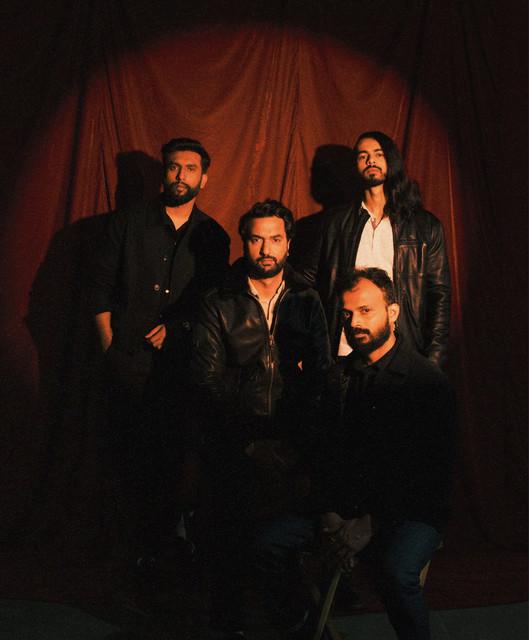
Parvaaz took shape in Bangalore in 2010 when friends Khalid Ahamed and Mir Kashif Iqbal came together to make music that can be their own. Soon after, Sachin Banandur on drums and Fidel D’Souza on bass joined in, and the quartet began weaving a sound that would quietly carve out its place in India’s independent music scene. Their early work — Dil Khush (2011), the EP Behosh (2012), and the single Khufiya Dastaan (2013) - carried the first echoes of what was to come, hinting at a journey that was only just beginning. Their debut album Baran (2014) arrived like a landmark - a haunting conversation where poetry met sound. With the live album Transitions (2016) and later… their magnum opus Kun (2019), the band extended their voice to wider audiences while expanding their sonic philosophy.
Following the departure of co-founder Mir Kashif Iqbal in 2021, Parvaaz welcomed Bharath Kashyap on guitar. The band has been touring with renewed energy, while letting new ideas take root; a new chapter that will find its fullest expression in their forthcoming third album, slated for release in late 2025.
Viberate is a music analytics platform built for A&Rs, artist managers, labels, booking agents, marketers, and artists.
It helps music professionals track artist growth, analyze audience data, monitor playlist activity, compare artists, follow song performance, and identify opportunities across the music market.
Public artist pages provide a free preview of selected artist data. Paid plans provide access to deeper analytics, historical data, charts, comparisons, playlist tools, exports, alerts, reports, and additional professional features.
Yes. Public Viberate artist pages provide selected artist analytics and music data for free.
Viberate also offers a 7-day free trial of the full platform. A credit card is required to start the trial. The trial includes access to the complete product so users can test deeper artist analytics, historical views, playlist insights, comparisons, charts, exports, alerts, and reporting features before choosing a paid plan.
Viberate provides artist analytics across streaming, playlists, social media, video, radio airplay, songs, and audience markets.
Users can analyze Spotify performance, Spotify and Apple Music playlists, YouTube activity, TikTok and Instagram growth, radio spins, song performance, audience locations, demographics, rankings, and overall artist momentum.
Artist profiles also connect to music charts, similar artists, and comparison tools, helping users benchmark performance and evaluate artists in context.
Viberate updates key artist and track data daily.
For followed artists and tracks, selected data is refreshed multiple times per day. This helps teams monitor playlist changes, streaming movement, audience growth, releases, and campaign performance with more current data.
Update frequency can vary depending on the metric and data source.
Yes. Viberate lets users compare up to five artists side by side across streaming, social media, audience, and engagement metrics.
Users can compare fanbase growth, audience demographics, locations, Spotify performance, social metrics, and other artist data over selected time periods.
Artist comparison can be used for A&R scouting, benchmarking, booking decisions, campaign planning, and evaluating artists with similar audiences or market positions.