Papercuts

Rock
Indie Rock
Shoegaze
 Viberate Rank: 195048
 Viberate Rank: 195048
 Monthly ListenersFollowers
 Subscribers
 Followers
 Followers
 FansTop Spotify Songs
| Track | 7-Day Streams | |
|---|---|---|
1 | 7.22K | |
2 | 1.21K | |
3 | 877 | |
4 | 758 | |
5 | 375 |
Top YouTube VideosMonthly ListenersFeatured in Playlists| Playlist | Followers | |
|---|---|---|
1 |  Shoegaze Classics Spotify | 708.02K |
2 |  High Fidelity Soundtrack Servaas Vehmeijer | 67.65K |
3 |  Dreampop & Shoegaze caden.shortridge | 35.01K |
4 |  Late Night Tales: The Collection Late Night Tales | 32.82K |
5 |  pov: you’re reading harry potter 🪄🚂 genna 🌤️ | 32.07K |
Audience| City | Monthly Listeners | |
|---|---|---|
1 | | 490 |
2 | | 408 |
3 | | 370 |
4 |  | 336 |
5 | | 331 |
See full performance history, audience data, playlist activity, rankings, comparisons, and more in Viberate music analytics. Start with a free trial, then continue with a paid plan.
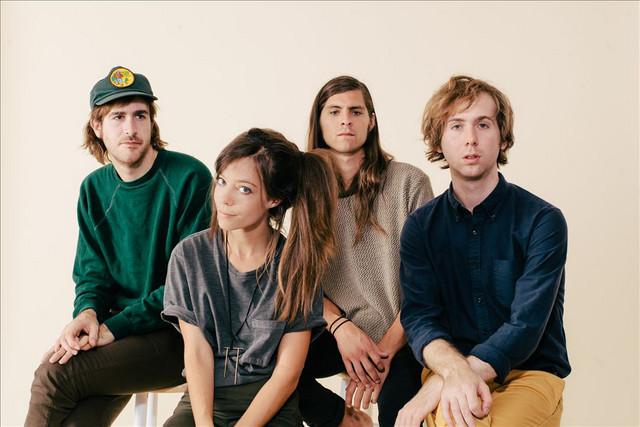
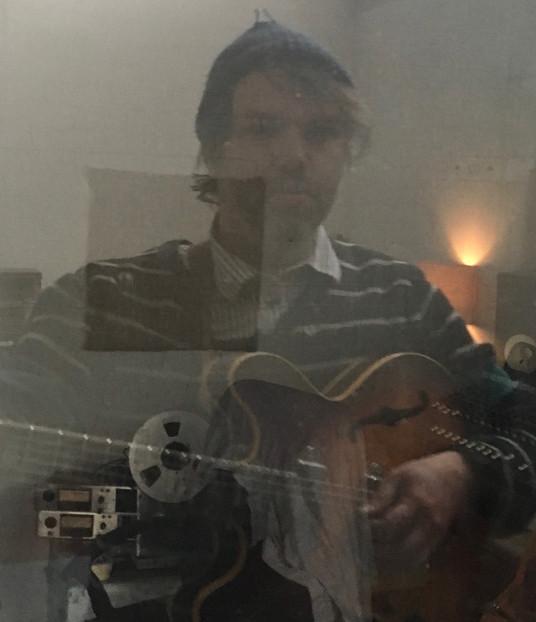
Papercuts’ Spotify BioWest Coast soft pop practitioners Papercuts are based around the skills of Jason Quever, a multi-instrumentalist and producer with a firm grasp on 50 years' worth of pop, whether it's indie, Baroque, folk, or noise. Whether working alone (as on early albums like 2007's Can't Go Back) or with collaborators (2011's album for Sub Pop, Fading Parade), Quever's trademark sound blends echoing guitars and full arrangements with melancholy melodies and his faded whisper of a voice. It's a template used by many, but Quever's skill as a producer (as evidenced by his busy slate of studio work with the likes of Luna and Beach House) vaults Papercuts past most of their contemporaries, even when tweaking the formula, as on 2018's shoegaze-inspired Parallel Universe Blues. That album, paired with 2022's Past Life Regression, also displays Quever's full flowering as a songwriter, crafting hooks as strong, and melodies as memorable, as any of his influences did.
Quever was brought up in a commune in… Humboldt County, California. After both his parents' early deaths, he traveled alone up and down the West Coast before eventually settling in San Francisco. His musical career began when he used the apartment of a vacationing friend to record piano tracks for Cass McCombs' 2002 album Not the Way. This was the start of a busy few years collaborating with others (like Casiotone for the Painfully Alone, the Skygreen Leopards, and Vetiver) while also starting up Papercuts. The first Papercuts album, Mockingbird, arrived in 2004, then Can't Go Back followed in 2007. It was released on the Gnomonsong label, run by Devendra Banhart and Vetiver's Andy Cabic, and in support of that record, Papercuts toured throughout the U.S. with Grizzly Bear.
Up to that point, Papercuts records were mainly solo Quever works recorded at his self-built Pan American home studio, but on 2009's You Can Have What You Want, Alex Scally of Beach House not only contributed bass, keyboards, and percussion, but also assisted with string arrangements and session engineering. The next Papercuts album took the collaborative spirit even further, with Quever using members of his live band (keyboardist David Enos, drummer Graham Hill, and bassist Frankie Koeller) as well as producer Thom Monahan to help record the road-tested songs. The set was the first Papercuts album to be recorded outside Pan American, as parts of it were tracked at the Hangar in Sacramento. It was also the band's Sub Pop debut, and the legendary label released the sprightly, more expansive Fading Parade in 2011.
After this, Quever put the band on the back burner and focused more attention on producing other artists. A few notable albums he worked on at this point were Donovan Quinn's Honky Tonk Medusa, Dean Wareham's Emancipated Hearts, and Eux Autres' Sun Is Sunk. He had also been working on another Papercuts album during this time, recording at Pan American with occasional guests like Graham Hill and a small string section. The resulting Life Among the Savages was released in May 2014 for new labels Easy Sound in the U.S. and Memphis Industries in the U.K.
After a spot of touring, Quever again put the group on hold and moved behind the scenes to work on albums by the Mantles, Sugar Candy Mountain, Luna, and Beach House. He also moved from San Francisco to Los Angeles, dismantling his home studio in the process. The next Papercuts LP was recorded at Palmetto Studios in L.A. with minimal outside help, and found Quever stripping back the usual lush arrangements in favor of a shoegaze-inspired approach. Fittingly, the record, 2018's Parallel Universe Blues, was released by Slumberland Records, home to many great shoegaze and dream pop albums over the years. Quever shifted back behind the scenes after this, working as a producer on albums by Dean Wareham, Sugar Candy Mountain, and Dark Tea, while also moving back to the Bay Area.
He resurfaced as a solo artist in 2021 with a five-song EP titled Baxter's Bliss, which was more home-cooked dream pop issued on his own Psychic Friends label. On it, he covered songs by Galaxie 500 and Leonard Cohen, alongside three new songs that dealt with the uncertainty of life in COVID times. Past Life Regression, the eighth Papercuts album, was released by Slumberland in April of the following year. With a similar sonic feel to the previous two records, it dealt in greater detail with the stresses of the modern world while bathing the sound in gentle layers of stringed instruments, keyboards, and reverb. ~ Kenyon Hopkin & Tim Sendra, Rovi
Viberate is a music analytics platform built for A&Rs, artist managers, labels, booking agents, marketers, and artists.
It helps music professionals track artist growth, analyze audience data, monitor playlist activity, compare artists, follow song performance, and identify opportunities across the music market.
Public artist pages provide a free preview of selected artist data. Paid plans provide access to deeper analytics, historical data, charts, comparisons, playlist tools, exports, alerts, reports, and additional professional features.
Yes. Public Viberate artist pages provide selected artist analytics and music data for free.
Viberate also offers a 7-day free trial of the full platform. A credit card is required to start the trial. The trial includes access to the complete product so users can test deeper artist analytics, historical views, playlist insights, comparisons, charts, exports, alerts, and reporting features before choosing a paid plan.
Viberate provides artist analytics across streaming, playlists, social media, video, radio airplay, songs, and audience markets.
Users can analyze Spotify performance, Spotify and Apple Music playlists, YouTube activity, TikTok and Instagram growth, radio spins, song performance, audience locations, demographics, rankings, and overall artist momentum.
Artist profiles also connect to music charts, similar artists, and comparison tools, helping users benchmark performance and evaluate artists in context.
Viberate updates key artist and track data daily.
For followed artists and tracks, selected data is refreshed multiple times per day. This helps teams monitor playlist changes, streaming movement, audience growth, releases, and campaign performance with more current data.
Update frequency can vary depending on the metric and data source.
Yes. Viberate lets users compare up to five artists side by side across streaming, social media, audience, and engagement metrics.
Users can compare fanbase growth, audience demographics, locations, Spotify performance, social metrics, and other artist data over selected time periods.
Artist comparison can be used for A&R scouting, benchmarking, booking decisions, campaign planning, and evaluating artists with similar audiences or market positions.