Paper Space

Rock
Indie Rock
 Viberate Rank: 829114
 Viberate Rank: 829114
 Monthly ListenersFollowers
 Subscribers
 Followers
 Followers
 FansTop Spotify Songs
| Track | 7-Day Streams | |
|---|---|---|
1 | 11 | |
2 | 6 | |
3 | 5 | |
4 | 4 | |
5 | 4 |
Top YouTube VideosMonthly ListenersFeatured in PlaylistsAudience| City | Monthly Listeners | |
|---|---|---|
1 | | 9 |
2 | | 9 |
3 | | 4 |
4 | | 3 |
5 | | 3 |
See full performance history, audience data, playlist activity, rankings, comparisons, and more in Viberate music analytics. Start with a free trial, then continue with a paid plan.
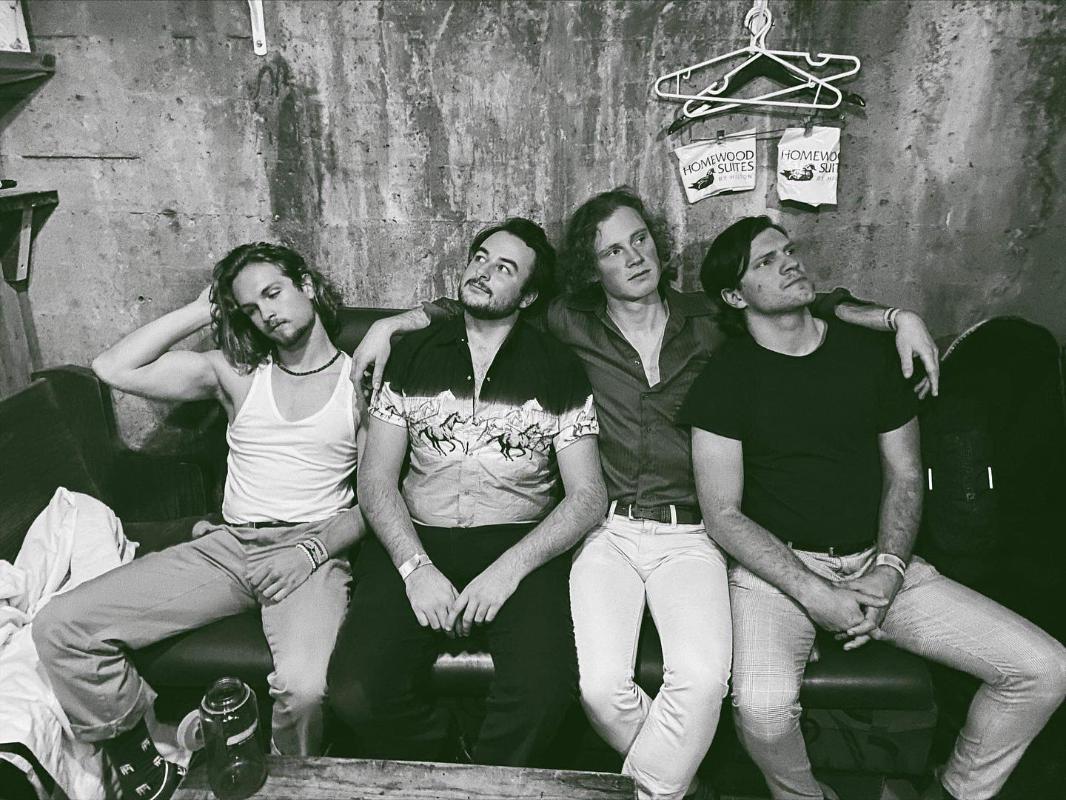
Paper Space’s Spotify BioPaper Space formed in 2014 around the core collaborative trio of lead songwriter Max Basso, multi-instrumentalist / producer Curtis Walls, and bassist Miles Ishmael; long-time friends and family whose musical partnership dates back to their loose jams in a dirty Waterford garage while each member was still attending high school. Drawing on various influences such as The Mountain Goats, Mac Demarco, Neutral Milk Hotel, and Pink Floyd, the trio’s artistic growth since their days as a scrappy garage rock band is marked by their second full length album “Deathlike”, its 11 tracks blending singer-songwriter introspection, jangled-out power pop hooks, psychedelic experimentation, and the maximalist sprawl of 70’s classic rock.
Produced and recorded by the band across diverse locations (including a serene mountainside cabin as well as the band’s own Shed Studios) and mixed and mastered by Jack Shirley at the Atomic Garden, Deathlike is an already ambitious self-produced endeavor, punctuated by… the lyrical narrative that permeates it. Though an overarching concept, which surrounds an ICU patient as he struggles to rebuild his life and troubled relationship with his family after a near-fatal illness, the 11 songs on “Deathlike” tackle themes of strained family ties, disfigurement & physical trauma, resilience, unconditional love, and the idea of the near-death-experience as a catalyst for growth and change.
Viberate is a music analytics platform built for A&Rs, artist managers, labels, booking agents, marketers, and artists.
It helps music professionals track artist growth, analyze audience data, monitor playlist activity, compare artists, follow song performance, and identify opportunities across the music market.
Public artist pages provide a free preview of selected artist data. Paid plans provide access to deeper analytics, historical data, charts, comparisons, playlist tools, exports, alerts, reports, and additional professional features.
Yes. Public Viberate artist pages provide selected artist analytics and music data for free.
Viberate also offers a 7-day free trial of the full platform. A credit card is required to start the trial. The trial includes access to the complete product so users can test deeper artist analytics, historical views, playlist insights, comparisons, charts, exports, alerts, and reporting features before choosing a paid plan.
Viberate provides artist analytics across streaming, playlists, social media, video, radio airplay, songs, and audience markets.
Users can analyze Spotify performance, Spotify and Apple Music playlists, YouTube activity, TikTok and Instagram growth, radio spins, song performance, audience locations, demographics, rankings, and overall artist momentum.
Artist profiles also connect to music charts, similar artists, and comparison tools, helping users benchmark performance and evaluate artists in context.
Viberate updates key artist and track data daily.
For followed artists and tracks, selected data is refreshed multiple times per day. This helps teams monitor playlist changes, streaming movement, audience growth, releases, and campaign performance with more current data.
Update frequency can vary depending on the metric and data source.
Yes. Viberate lets users compare up to five artists side by side across streaming, social media, audience, and engagement metrics.
Users can compare fanbase growth, audience demographics, locations, Spotify performance, social metrics, and other artist data over selected time periods.
Artist comparison can be used for A&R scouting, benchmarking, booking decisions, campaign planning, and evaluating artists with similar audiences or market positions.