Panzerballett

Metal
Progressive Metal
Avant-garde Jazz
 Viberate Rank: 133502
 Viberate Rank: 133502
 Monthly ListenersFollowers
 Subscribers
 Followers
 Followers
 FansTop Spotify Songs
| Track | 7-Day Streams | |
|---|---|---|
1 | 510 | |
2 | 397 | |
3 | 361 | |
4 | 335 | |
5 | 261 |
Top YouTube VideosMonthly ListenersFeatured in Playlists| Playlist | Followers | |
|---|---|---|
1 | Metal Covers of non-metal songs Jorge García | 30.13K |
2 |  Bee Movie Justas Janušauskas | 28.32K |
3 |  Quintuplet Swing shawncrowder | 18.75K |
4 |  The Sound of Jazz Metal The Sounds of Spotify | 9.60K |
5 | Avant Garde Metal Jalil Rabaj | 5.12K |
Audience| City | Monthly Listeners | |
|---|---|---|
1 |  | 116 |
2 |  | 106 |
3 | | 97 |
4 | | 93 |
5 | | 89 |
See full performance history, audience data, playlist activity, rankings, comparisons, and more in Viberate music analytics. Start with a free trial, then continue with a paid plan.
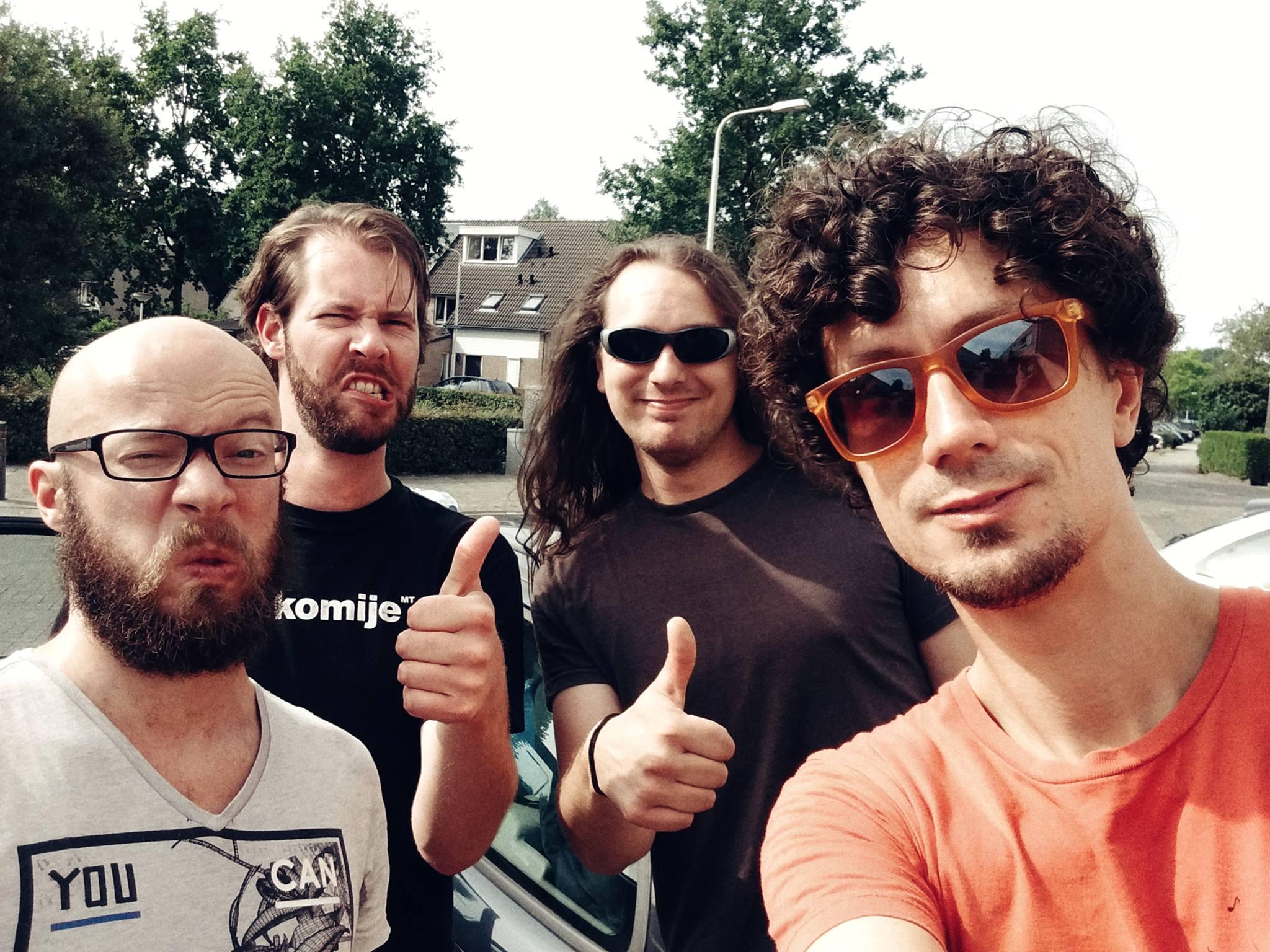
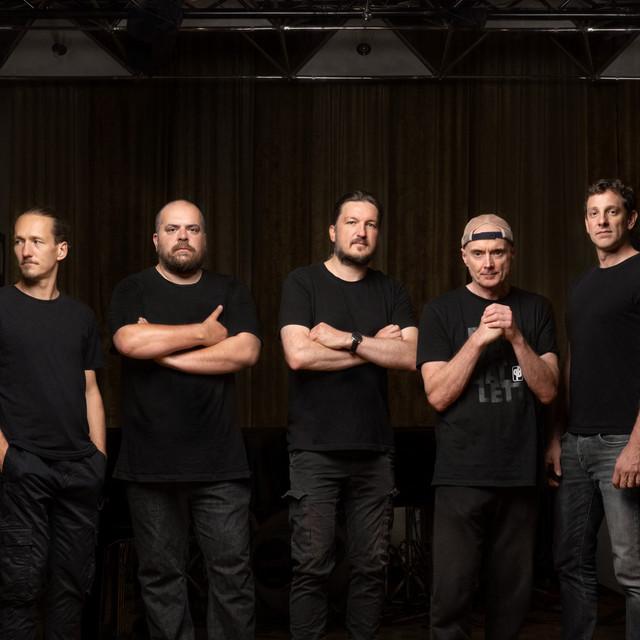
Panzerballett’s Spotify BioLed by guitarist Jan Zehrfeld, Germany's dynamic electrified Panzerballett play their own jazz and heavy metal hybrid. Influenced by a broad range of artists from Iron Maiden and Meshuggah to Herbie Hancock and Weather Report, Panzerballett are known for their cheeky, genre-bending sense of humor and musical virtuosity. Formed in 2004, the group is largely the creation of Zehrfeld, a classically trained jazz musician and educator who studied at both the University of Music and Performing Arts Graz and the Richard Strauss Conservatory Munich. Prior to founding Panzerballett, Zehrfeld taught music, played in various rock and jazz bands, and worked as a studio musician.
The group debuted in 2005 with the self-titled Panzerballett, and then built interest playing numerous live shows, including spots at the 15th National Youth Jazz Festival in Leipzig and the Burg Herzberg Festival. Live at Backstage Munich, a concert DVD detailing the festival performances, appeared in 2007. A year later… they returned with their sophomore album, Starke Stücke, which featured originals alongside heavy covers of well-known songs like "Birdland," "Pink Panther," "Smoke on the Water," and more.
The group's 2009 effort, Hart Genossen von ABBA bis Zappa, showcased a similarly inspired mix of ABBA and Frank Zappa songs, as wells as other covers and originals. Well received, it reached number 25 on the German jazz charts. Three years later they delivered Tank Goodness, featuring guest appearances by trumpeter Randy Brecker, guitarist Mattias "IA" Eklundh, and others. After a second concert DVD, they followed up with 2015's Breaking Brain. In 2017 they released their first ever holiday-themed album, X-Mas Death Jazz. ~ Matt Collar, Rovi
Viberate is a music analytics platform built for A&Rs, artist managers, labels, booking agents, marketers, and artists.
It helps music professionals track artist growth, analyze audience data, monitor playlist activity, compare artists, follow song performance, and identify opportunities across the music market.
Public artist pages provide a free preview of selected artist data. Paid plans provide access to deeper analytics, historical data, charts, comparisons, playlist tools, exports, alerts, reports, and additional professional features.
Yes. Public Viberate artist pages provide selected artist analytics and music data for free.
Viberate also offers a 7-day free trial of the full platform. A credit card is required to start the trial. The trial includes access to the complete product so users can test deeper artist analytics, historical views, playlist insights, comparisons, charts, exports, alerts, and reporting features before choosing a paid plan.
Viberate provides artist analytics across streaming, playlists, social media, video, radio airplay, songs, and audience markets.
Users can analyze Spotify performance, Spotify and Apple Music playlists, YouTube activity, TikTok and Instagram growth, radio spins, song performance, audience locations, demographics, rankings, and overall artist momentum.
Artist profiles also connect to music charts, similar artists, and comparison tools, helping users benchmark performance and evaluate artists in context.
Viberate updates key artist and track data daily.
For followed artists and tracks, selected data is refreshed multiple times per day. This helps teams monitor playlist changes, streaming movement, audience growth, releases, and campaign performance with more current data.
Update frequency can vary depending on the metric and data source.
Yes. Viberate lets users compare up to five artists side by side across streaming, social media, audience, and engagement metrics.
Users can compare fanbase growth, audience demographics, locations, Spotify performance, social metrics, and other artist data over selected time periods.
Artist comparison can be used for A&R scouting, benchmarking, booking decisions, campaign planning, and evaluating artists with similar audiences or market positions.