Pants Yell!

Pop
Indie Pop
Indie Rock
 Viberate Rank: 493539
 Viberate Rank: 493539
 Monthly ListenersFollowers
 Subscribers
 Followers
 Followers
 FansTop Spotify Songs
| Track | 7-Day Streams | |
|---|---|---|
1 | 365 | |
2 | 302 | |
3 | 43 | |
4 | 41 | |
5 | 36 |
Top YouTube VideosMonthly ListenersFeatured in Playlists| Playlist | Followers | |
|---|---|---|
1 |  The Sound of Twee Pop The Sounds of Spotify | 7.04K |
2 |  Crushing on you saria.m | 5.01K |
3 |  BIRP! 2009 - 2019 BIRP! | 2.20K |
Audience| City | Monthly Listeners | |
|---|---|---|
1 | | 40 |
2 | | 33 |
3 | | 32 |
4 | | 31 |
5 | | 20 |
See full performance history, audience data, playlist activity, rankings, comparisons, and more in Viberate music analytics. Start with a free trial, then continue with a paid plan.
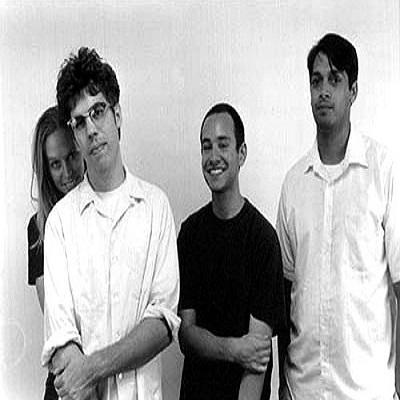
Pants Yell!’s Spotify BioPlaying catchy, slightly naïve pop that suggests a stripped-down American variation on the C-86 sounds of decades past, Pants Yell! is a trio from Cambridge, MA, who began making music together in 2003. Andrew Churchman and Sterling Bryant were both studying art in Boston when they began writing and recording songs in dorm rooms and basements. With Churchman on guitar and vocals, Bryant on bass, keyboards, and backing vocals, and Carly Smith on drums and backing vocals, Pants Yell! made their recorded debut in the summer on an Asuras Records compilation called Watermelon Should Last Forever with the memorably titled track "Electroclash Is the Noose Around My Neck." A cassette-only album, Our Horse Calls, followed shortly afterward from the Italian label Best Kept Secret, who found out about the band when Churchman sent them a CD-R demo along with a mail order. After releasing several homemade recordings, Pants Yell!'s debut album, 2004's Songs for Siblings, was recorded in a 16-track… analog studio and earned a wealth of enthusiastic notices from the indie music press in America and overseas. In 2005, Pants Yell! released a 7" vinyl EP, '83 in '05, and in 2006, with the group's members finally done with college, they took on a more aggressive touring schedule, playing in the United States, Europe, Sweden, and Iceland in support of their third album, Recent Drama. In 2007, Casey Keenan, formerly with Major Stars, signed on as Pants Yell!'s new drummer, and the group recorded their fourth album, Alison Statton, released by Soft Abuse Records at the end of the year. Received Pronunciation appeared in 2009. ~ Mark Deming, Rovi
Viberate is a music analytics platform built for A&Rs, artist managers, labels, booking agents, marketers, and artists.
It helps music professionals track artist growth, analyze audience data, monitor playlist activity, compare artists, follow song performance, and identify opportunities across the music market.
Public artist pages provide a free preview of selected artist data. Paid plans provide access to deeper analytics, historical data, charts, comparisons, playlist tools, exports, alerts, reports, and additional professional features.
Yes. Public Viberate artist pages provide selected artist analytics and music data for free.
Viberate also offers a 7-day free trial of the full platform. A credit card is required to start the trial. The trial includes access to the complete product so users can test deeper artist analytics, historical views, playlist insights, comparisons, charts, exports, alerts, and reporting features before choosing a paid plan.
Viberate provides artist analytics across streaming, playlists, social media, video, radio airplay, songs, and audience markets.
Users can analyze Spotify performance, Spotify and Apple Music playlists, YouTube activity, TikTok and Instagram growth, radio spins, song performance, audience locations, demographics, rankings, and overall artist momentum.
Artist profiles also connect to music charts, similar artists, and comparison tools, helping users benchmark performance and evaluate artists in context.
Viberate updates key artist and track data daily.
For followed artists and tracks, selected data is refreshed multiple times per day. This helps teams monitor playlist changes, streaming movement, audience growth, releases, and campaign performance with more current data.
Update frequency can vary depending on the metric and data source.
Yes. Viberate lets users compare up to five artists side by side across streaming, social media, audience, and engagement metrics.
Users can compare fanbase growth, audience demographics, locations, Spotify performance, social metrics, and other artist data over selected time periods.
Artist comparison can be used for A&R scouting, benchmarking, booking decisions, campaign planning, and evaluating artists with similar audiences or market positions.