PANIC

Metal
Thrash Metal
Hardstyle/Hardcore
 Viberate Rank: 127245
 Viberate Rank: 127245
 Monthly ListenersFollowers
 Subscribers
 Followers
 Followers
 FansTop Spotify Songs
| Track | 7-Day Streams | |
|---|---|---|
1 | 14.74K | |
2 | 13.50K | |
3 | 12.44K | |
4 | 11.80K | |
5 | 6.83K |
Top YouTube VideosMonthly ListenersFeatured in Playlists| Playlist | Followers | |
|---|---|---|
1 |  2017-2026 Animation meme songs 🎵 Dream Ghazt | 62.05K |
2 |  Jungle is Massive 💫 Em💫 | 61.83K |
3 |  Angerfist HARDCORE angerfist_official | 46.86K |
4 |  Drum and Bass / Jungle / Reggae Jeffrey Bosman | 39.40K |
5 |  An ACTUAL freaky playlist. John Price’s Wife | 39.32K |
Audience| City | Monthly Listeners | |
|---|---|---|
1 |  | 3.01K |
2 |  | 1.18K |
3 | | 1.17K |
4 | | 919 |
5 | | 884 |
See full performance history, audience data, playlist activity, rankings, comparisons, and more in Viberate music analytics. Start with a free trial, then continue with a paid plan.
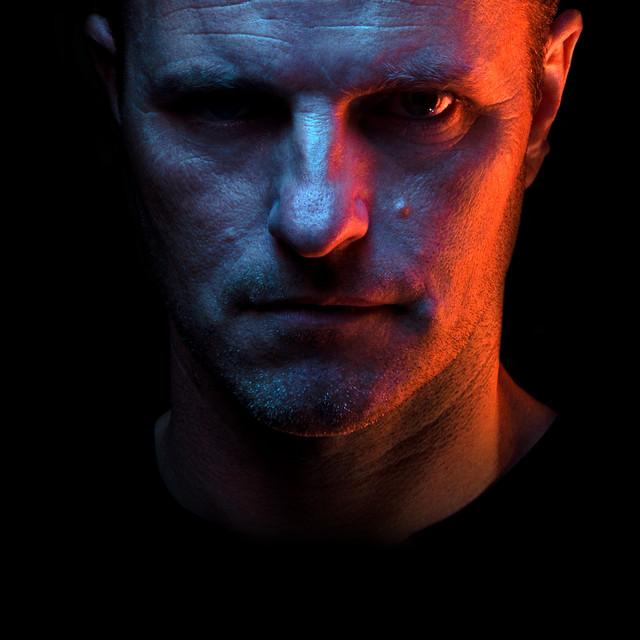
PANIC’s Spotify BioDJ Panic, born as Dennis Copier in 1975, was hardly 16 when he performed at a dance-party for the first time; back in 1992 he was asked to play at Pompeï, a small youth-club in the south of Rotterdam.
A little while later the Forze DJ Team was founded, consisting of DJ Paul Elstak, DJ Lars and DJ Panic. The following years, he toured all over Europe, United States and Japan together with Paul Elstak and Lars.
In the meantime, Dennis got closer to DJ Neophyte and since 1996 they have been producing under their guise Hard Creation, resulting in the classic release and mega floor-filler “I will have that Power”, back in 1999.
Dennis spent a lot of time in the studio with Neophyte, Evil Activities and Paul Elstak which resulted in more hits like “Be Quiet”,“Bigger than ever”, “Up Yours”, “Hate!”and “Never fall asleep”. Dennis is also responsible for compiling and mixing high profile compilations such as Hardcore to the Bone, Decibel Outdoor, and his albums: “Start the Panic, “15 years of… Panic”, “20 years of Panic”!.Having performed at events like Tomorrowland, Decibel Outdoor Festival, Defqon 1, Pussy Lounge, Intents Festival, Masters of Hardcore and many more, there simply isn’t a playground this sympathetic DJ is not familiar with! Weither it is a Freestyle, Hardcore or Early Rave set.
Panic has also got his own concepts “Paniek!”and “Start the Panic” where he will be playing long hour sets.
Viberate is a music analytics platform built for A&Rs, artist managers, labels, booking agents, marketers, and artists.
It helps music professionals track artist growth, analyze audience data, monitor playlist activity, compare artists, follow song performance, and identify opportunities across the music market.
Public artist pages provide a free preview of selected artist data. Paid plans provide access to deeper analytics, historical data, charts, comparisons, playlist tools, exports, alerts, reports, and additional professional features.
Yes. Public Viberate artist pages provide selected artist analytics and music data for free.
Viberate also offers a 7-day free trial of the full platform. A credit card is required to start the trial. The trial includes access to the complete product so users can test deeper artist analytics, historical views, playlist insights, comparisons, charts, exports, alerts, and reporting features before choosing a paid plan.
Viberate provides artist analytics across streaming, playlists, social media, video, radio airplay, songs, and audience markets.
Users can analyze Spotify performance, Spotify and Apple Music playlists, YouTube activity, TikTok and Instagram growth, radio spins, song performance, audience locations, demographics, rankings, and overall artist momentum.
Artist profiles also connect to music charts, similar artists, and comparison tools, helping users benchmark performance and evaluate artists in context.
Viberate updates key artist and track data daily.
For followed artists and tracks, selected data is refreshed multiple times per day. This helps teams monitor playlist changes, streaming movement, audience growth, releases, and campaign performance with more current data.
Update frequency can vary depending on the metric and data source.
Yes. Viberate lets users compare up to five artists side by side across streaming, social media, audience, and engagement metrics.
Users can compare fanbase growth, audience demographics, locations, Spotify performance, social metrics, and other artist data over selected time periods.
Artist comparison can be used for A&R scouting, benchmarking, booking decisions, campaign planning, and evaluating artists with similar audiences or market positions.