Overthrow

Metal
Thrash Metal
Hardcore Punk
 Viberate Rank: 477973
 Viberate Rank: 477973
 Monthly ListenersFollowers
 Subscribers
 Followers
 Followers
 FansTop Spotify Songs
| Track | 7-Day Streams | |
|---|---|---|
1 | 155 | |
2 | 132 | |
3 | 47 | |
4 | 46 | |
5 | 45 |
Top YouTube VideosMonthly ListenersFeatured in Playlists| Playlist | Followers | |
|---|---|---|
1 |  BEATDOWN HARDCORE Duncan Bentley | 15.68K |
2 |  New Hardcore 2025 Jens W | 5.58K |
3 | Thrash metal 80s/90s tschingo | 3.33K |
4 |  2025 Hardcore Releases No Echo | 2.54K |
5 |  OSDM '88 - '97 Grégory Gaillez | 1.86K |
Audience| City | Monthly Listeners | |
|---|---|---|
1 |  | 24 |
2 |  | 20 |
3 |  | 19 |
4 |  | 17 |
5 |  | 17 |
See full performance history, audience data, playlist activity, rankings, comparisons, and more in Viberate music analytics. Start with a free trial, then continue with a paid plan.
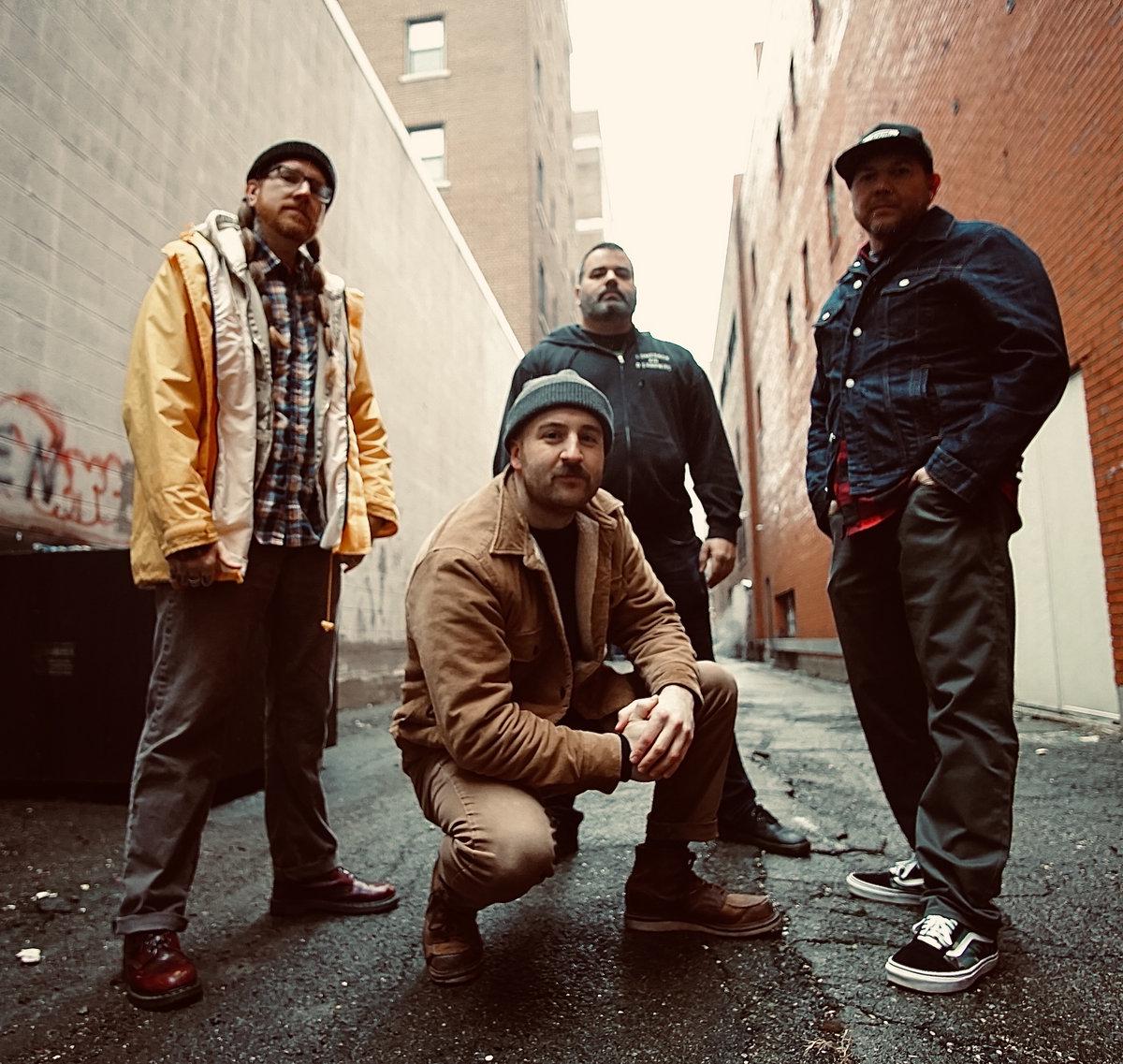
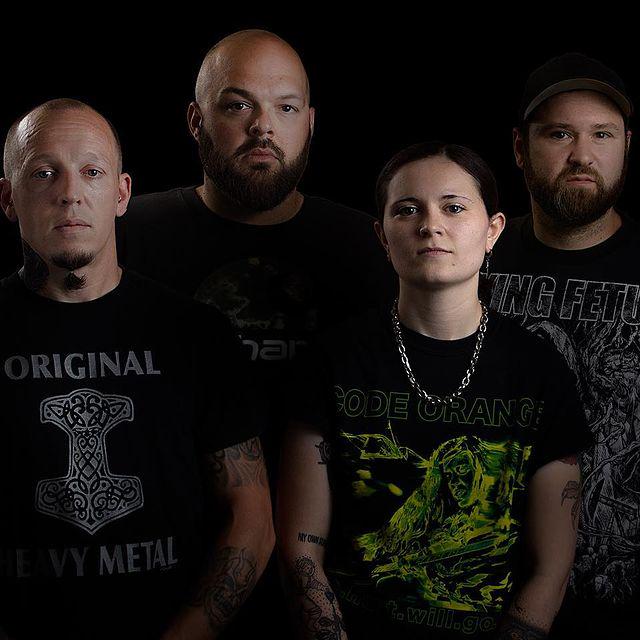
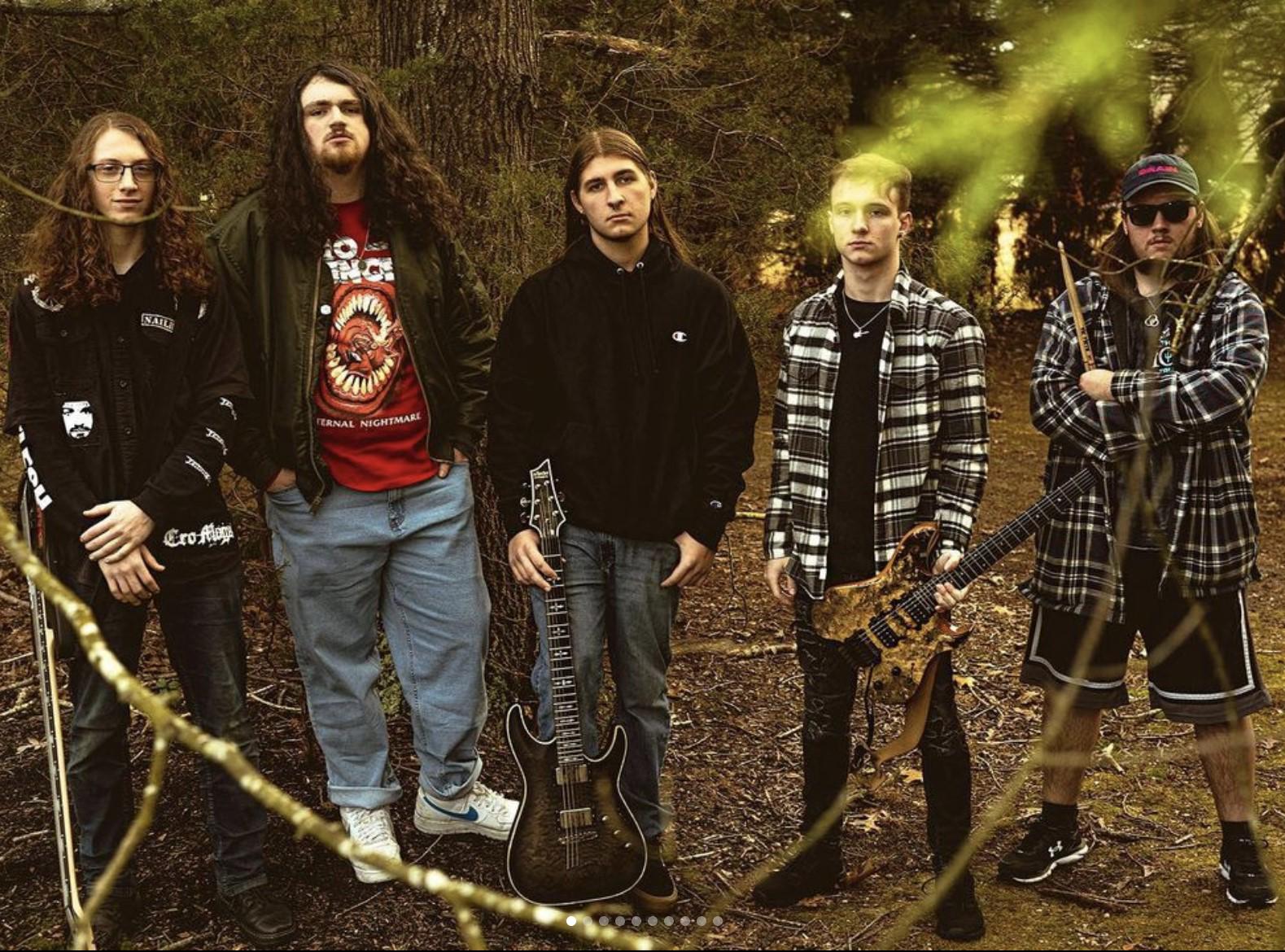
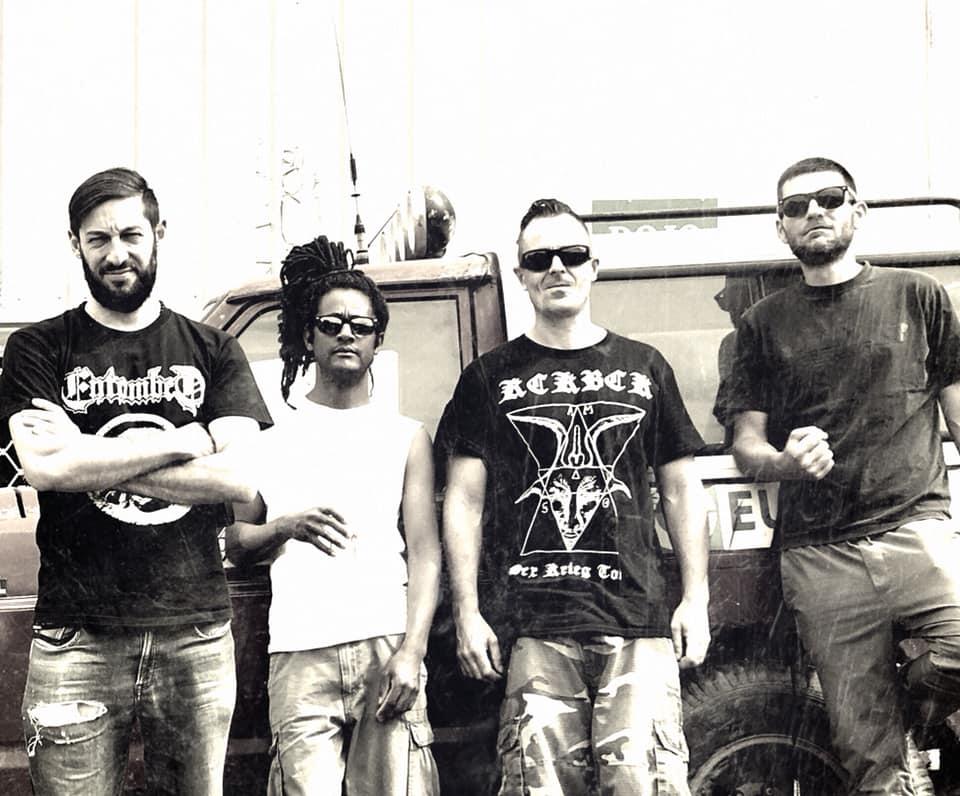
Overthrow’s Spotify BioOverthrow formed in 1995 on Long Island, New York. The metal/punk crossover sound can be traced back to their original drummers punk influence coming together with Anthony and Chris’s metal/hardcore influences. This would eventually shape Overthrow's sound, with a lot of earlier songs veering abruptly from faster style, punk-influenced riffs into more metallic chugging breakdowns. A few months later, Rich replaced Dmitry on drums to solidly the sound of the band.
After 2 demos and several vinyl releases, including a split 7” with ONE 4 ONE, an eventual split CD with Voice Of Reason on Stillborn Records helped Overthrow reach a wider audience in the northeast. In 1999 Overthrow released its first full length album with nationwide distribution, React, on Triple Crown Records. Overthrow played all over the east coast in support of the record. The band played their “final’ show in June 2001 on Long Island with Glassjaw, Burn, and Bane.
Overthrow played a few re-union shows throughout the… years, before returning in 2023 to write the full length album follow-up, Setting the Price. The new album continues the bands sharp, aggressive metal sound with punk based influences. The band has released four singles (Anywhere but Here, The Calling, Tribute, and End Complete) in support of the new album. Setting the Price is available now.
Viberate is a music analytics platform built for A&Rs, artist managers, labels, booking agents, marketers, and artists.
It helps music professionals track artist growth, analyze audience data, monitor playlist activity, compare artists, follow song performance, and identify opportunities across the music market.
Public artist pages provide a free preview of selected artist data. Paid plans provide access to deeper analytics, historical data, charts, comparisons, playlist tools, exports, alerts, reports, and additional professional features.
Yes. Public Viberate artist pages provide selected artist analytics and music data for free.
Viberate also offers a 7-day free trial of the full platform. A credit card is required to start the trial. The trial includes access to the complete product so users can test deeper artist analytics, historical views, playlist insights, comparisons, charts, exports, alerts, and reporting features before choosing a paid plan.
Viberate provides artist analytics across streaming, playlists, social media, video, radio airplay, songs, and audience markets.
Users can analyze Spotify performance, Spotify and Apple Music playlists, YouTube activity, TikTok and Instagram growth, radio spins, song performance, audience locations, demographics, rankings, and overall artist momentum.
Artist profiles also connect to music charts, similar artists, and comparison tools, helping users benchmark performance and evaluate artists in context.
Viberate updates key artist and track data daily.
For followed artists and tracks, selected data is refreshed multiple times per day. This helps teams monitor playlist changes, streaming movement, audience growth, releases, and campaign performance with more current data.
Update frequency can vary depending on the metric and data source.
Yes. Viberate lets users compare up to five artists side by side across streaming, social media, audience, and engagement metrics.
Users can compare fanbase growth, audience demographics, locations, Spotify performance, social metrics, and other artist data over selected time periods.
Artist comparison can be used for A&R scouting, benchmarking, booking decisions, campaign planning, and evaluating artists with similar audiences or market positions.