Overdose

Metal
Heavy Metal
Groove Metal
 Viberate Rank: 332429
 Viberate Rank: 332429
 Monthly ListenersFollowers
 Subscribers
 Followers
 Followers
 FansTop Spotify Songs
| Track | 7-Day Streams | |
|---|---|---|
1 | 362 | |
2 | 327 | |
3 | 268 | |
4 | 249 | |
5 | 192 |
Top YouTube VideosMonthly ListenersFeatured in Playlists| Playlist | Followers | |
|---|---|---|
1 |  Crossover, Thrash & Hardcore - Brasil Punkzilla! | 2.42K |
2 | Wanna listen to some tunes? Eris | 1.84K |
3 |  Very best of 80s death & thrash metal (1980-1990) Niklas Webjörn #1 | 1.13K |
Audience| City | Monthly Listeners | |
|---|---|---|
1 | | 347 |
2 | | 334 |
3 | | 77 |
4 | | 72 |
5 | | 65 |
See full performance history, audience data, playlist activity, rankings, comparisons, and more in Viberate music analytics. Start with a free trial, then continue with a paid plan.
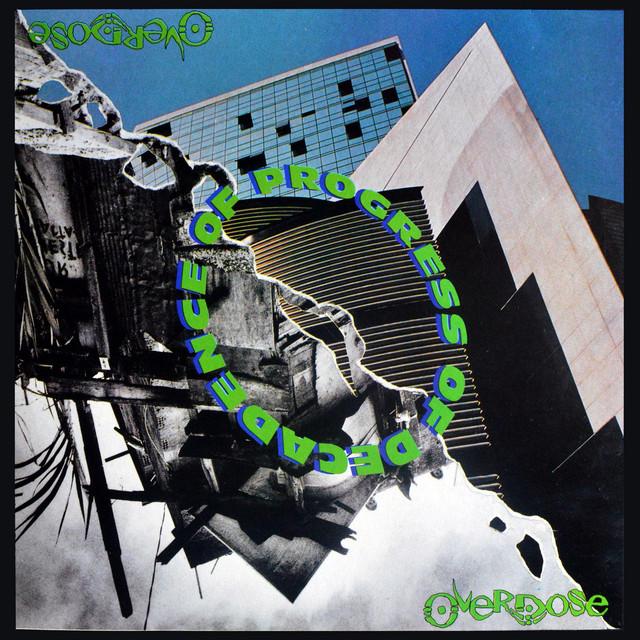
Overdose’s Spotify BioOne of the forerunners of the Heavy Metal music scene in Brazil, Belo Horizonte-based Overdose was formed in 1983. In 1985, the band released their first effort, a split album shared with fellow band Sepultura ( Seculo XX/Bestial Devastation). After several tours (including co-headlining tours with Sepultura & opening acts for bands like Testament, Kreator) and five albums released in their national territory by the Brazilian label Cogumelo Records (Século XX, Conscience, You're Really Big, Addicted to Reality and Circus of Death), the band signed a record deal with the North American label "Futurist Label Group" ( in 1993), which launched its sixth CD worldwide, Progress of Decadence and later, SCARS ( 1996 ) . That deal granted the band five North American tours (USA & Canada) - either as headliners or opening acts for bands such as Mercyful Fate, Crowbar, Bile, Screw; one European tour with Grip Inc., as well as performances at several festivals' bills, such as Megafolies and the… legendary Dynamo Open Air 95, headlined by Type O Negative, Paradise Lost & Machine Head. As an award for reaching the American College Radios' Top Ten, in 1995, the band performed alongside Korn and Skid Row at the traditional event CMJ in New York, US. In 2017, Overdose reassembled, bringing back to stages original members Cláudio David ( guitar ) , Bozó ( vocals & percussion ) alongside guitarist Sérgio Cichovicz, and new members Bernardo Gosaric (bass) and Tiago Vitek (drums).
Viberate is a music analytics platform built for A&Rs, artist managers, labels, booking agents, marketers, and artists.
It helps music professionals track artist growth, analyze audience data, monitor playlist activity, compare artists, follow song performance, and identify opportunities across the music market.
Public artist pages provide a free preview of selected artist data. Paid plans provide access to deeper analytics, historical data, charts, comparisons, playlist tools, exports, alerts, reports, and additional professional features.
Yes. Public Viberate artist pages provide selected artist analytics and music data for free.
Viberate also offers a 7-day free trial of the full platform. A credit card is required to start the trial. The trial includes access to the complete product so users can test deeper artist analytics, historical views, playlist insights, comparisons, charts, exports, alerts, and reporting features before choosing a paid plan.
Viberate provides artist analytics across streaming, playlists, social media, video, radio airplay, songs, and audience markets.
Users can analyze Spotify performance, Spotify and Apple Music playlists, YouTube activity, TikTok and Instagram growth, radio spins, song performance, audience locations, demographics, rankings, and overall artist momentum.
Artist profiles also connect to music charts, similar artists, and comparison tools, helping users benchmark performance and evaluate artists in context.
Viberate updates key artist and track data daily.
For followed artists and tracks, selected data is refreshed multiple times per day. This helps teams monitor playlist changes, streaming movement, audience growth, releases, and campaign performance with more current data.
Update frequency can vary depending on the metric and data source.
Yes. Viberate lets users compare up to five artists side by side across streaming, social media, audience, and engagement metrics.
Users can compare fanbase growth, audience demographics, locations, Spotify performance, social metrics, and other artist data over selected time periods.
Artist comparison can be used for A&R scouting, benchmarking, booking decisions, campaign planning, and evaluating artists with similar audiences or market positions.