Outlaw Order

Metal
Doom/Sludge Metal
 Viberate Rank: 363005
 Viberate Rank: 363005
 Monthly ListenersFollowers
 Subscribers
 Followers
 Followers
 FansTop Spotify Songs
| Track | 7-Day Streams | |
|---|---|---|
1 | 726 | |
2 | 363 | |
3 | 234 | |
4 | 186 | |
5 | 171 |
Top YouTube VideosMonthly ListenersFeatured in Playlists| Playlist | Followers | |
|---|---|---|
1 |  The Sound of Sludge Metal The Sounds of Spotify | 7.44K |
2 |  COMPLETE SLUDGE jakobjohnsxn | 1.50K |
3 | Sludge and doom metal Custard | 1.41K |
4 |  Stoner / Sludge Jesper Olsson | 1.38K |
5 |  Doom & Sludge Jimmy | 1.19K |
Audience| City | Monthly Listeners | |
|---|---|---|
1 | | 55 |
2 | | 51 |
3 | | 33 |
4 | | 33 |
5 | | 30 |
See full performance history, audience data, playlist activity, rankings, comparisons, and more in Viberate music analytics. Start with a free trial, then continue with a paid plan.
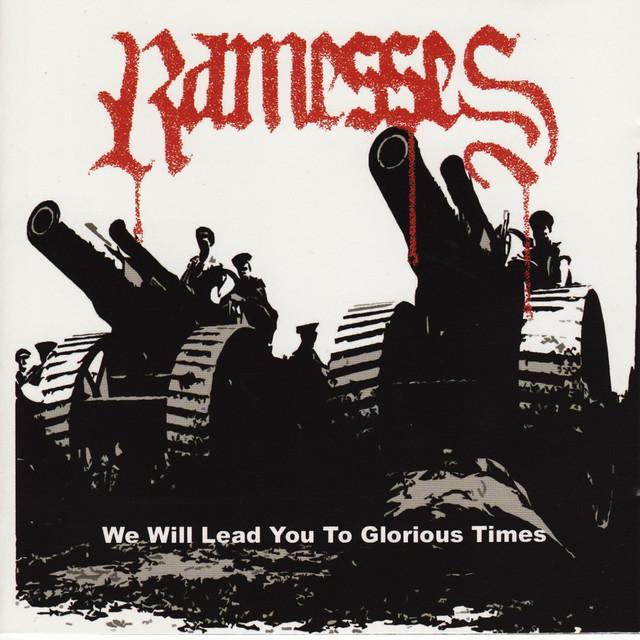
Outlaw Order’s Spotify BioFormed in the early 2000s, Outlaw Order are probably best known as an offshoot of New Orleans-based sludge metal band Eyehategod. Outlaw Order were formed by EHG members Michael Williams (vocals), Joe LaCaze (drums), and Gary Mader (guitar in OO, bass in EHG), while bandmates Jimmy Bower and Brian Patton -- the two guitarists in EHG -- were busy with other projects (Bower with the Phil Anselmo-fronted bands Down and Superjoint Ritual and Patton with Soilent Green). Eventually, Patton came on board as well when Soilent Green were temporarily sidelined due to a pair of debilitating tour van accidents. Former Eyehategod bassist Marc Shultz was then added to fill out the lineup, but was replaced soon after by Justin Grisoli -- the only Outlaw Order member not to have played in Eyehategod as well.
Not surprisingly, Outlaw Order's sound shares several elements in common with Eyehategod, including Williams' unmistakable (and largely indecipherable) vocals and Patton's guitar work, an amalgam… of blues, Southern rock, metal, and early hardcore influences. Even so, Outlaw Order generally have a more assaultive, uptempo approach than EHG, with somewhat shorter songs and fewer excursions into ultra-slow doom metal territory. Lyrically and visually, there has been a running emphasis on crime-related themes (allegedly because all five members of the band have been arrested and placed on probation at various times). That said, the similarities to EHG are still unmistakable.
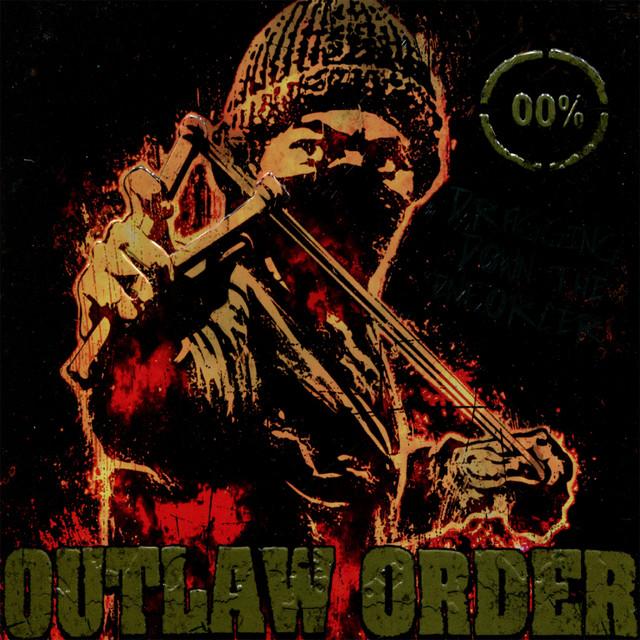
The group's first release was a four-song 7", Legalize Crime, that was released on the Southern Lord label in 2003 (it quickly sold out). They played a series of live shows in the New Orleans area in 2003 and 2004 before being sidelined by Hurricane Katrina in the late summer of 2005. The fallout from Katrina, which included the arrest of vocalist Williams on a drug-related charge and ensuing jail time, helped delay the recording of their first album. Other factors also contributed, including Patton's involvement with Soilent Green, who had regrouped from their own hiatus to record and release new albums in 2005 (Confrontation) and 2008 (Inevitable Collapse in the Presence of Conviction); Eyehategod also released another album, Preaching the "End-Time" Message (a compilation of non-album tracks with a few new songs added to the mix), during this down time. Their first full-length, Dragging Down the Enforcer (Season of Mist), was finally released in late 2008. For this album, Patton and Mader split the bass-playing duties; around the time of the album's release, Pat Bruders (Crowbar, Goatwhore) joined the group on bass. ~ William York, Rovi
Viberate is a music analytics platform built for A&Rs, artist managers, labels, booking agents, marketers, and artists.
It helps music professionals track artist growth, analyze audience data, monitor playlist activity, compare artists, follow song performance, and identify opportunities across the music market.
Public artist pages provide a free preview of selected artist data. Paid plans provide access to deeper analytics, historical data, charts, comparisons, playlist tools, exports, alerts, reports, and additional professional features.
Yes. Public Viberate artist pages provide selected artist analytics and music data for free.
Viberate also offers a 7-day free trial of the full platform. A credit card is required to start the trial. The trial includes access to the complete product so users can test deeper artist analytics, historical views, playlist insights, comparisons, charts, exports, alerts, and reporting features before choosing a paid plan.
Viberate provides artist analytics across streaming, playlists, social media, video, radio airplay, songs, and audience markets.
Users can analyze Spotify performance, Spotify and Apple Music playlists, YouTube activity, TikTok and Instagram growth, radio spins, song performance, audience locations, demographics, rankings, and overall artist momentum.
Artist profiles also connect to music charts, similar artists, and comparison tools, helping users benchmark performance and evaluate artists in context.
Viberate updates key artist and track data daily.
For followed artists and tracks, selected data is refreshed multiple times per day. This helps teams monitor playlist changes, streaming movement, audience growth, releases, and campaign performance with more current data.
Update frequency can vary depending on the metric and data source.
Yes. Viberate lets users compare up to five artists side by side across streaming, social media, audience, and engagement metrics.
Users can compare fanbase growth, audience demographics, locations, Spotify performance, social metrics, and other artist data over selected time periods.
Artist comparison can be used for A&R scouting, benchmarking, booking decisions, campaign planning, and evaluating artists with similar audiences or market positions.