Out In Style

Punk
Ska Punk
Skate Punk
 Viberate Rank: 616615
 Viberate Rank: 616615
 Monthly ListenersFollowers
 Subscribers
 Followers
 Followers
 FansTop Spotify Songs
| Track | 7-Day Streams | |
|---|---|---|
1 | 68 | |
2 | 64 | |
3 | 62 | |
4 | 53 | |
5 | 49 |
Top YouTube VideosMonthly ListenersFeatured in Playlists| Playlist | Followers | |
|---|---|---|
1 |  Hardcore Punk Brasileiro guilherme | 3.21K |
2 |  NEW EMO & SCREAMO // I'm (still) Not Okay CatchyTwentyTwo | 2.27K |
3 |  Acoustic Punk Rock Bobby Guimond | 1.73K |
4 |  Skatepunkers official playlist Skatepunkers | 1.37K |
Audience| City | Monthly Listeners | |
|---|---|---|
1 | | 16 |
2 |  | 11 |
3 | | 10 |
4 |  | 6 |
5 |  | 3 |
See full performance history, audience data, playlist activity, rankings, comparisons, and more in Viberate music analytics. Start with a free trial, then continue with a paid plan.
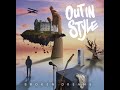
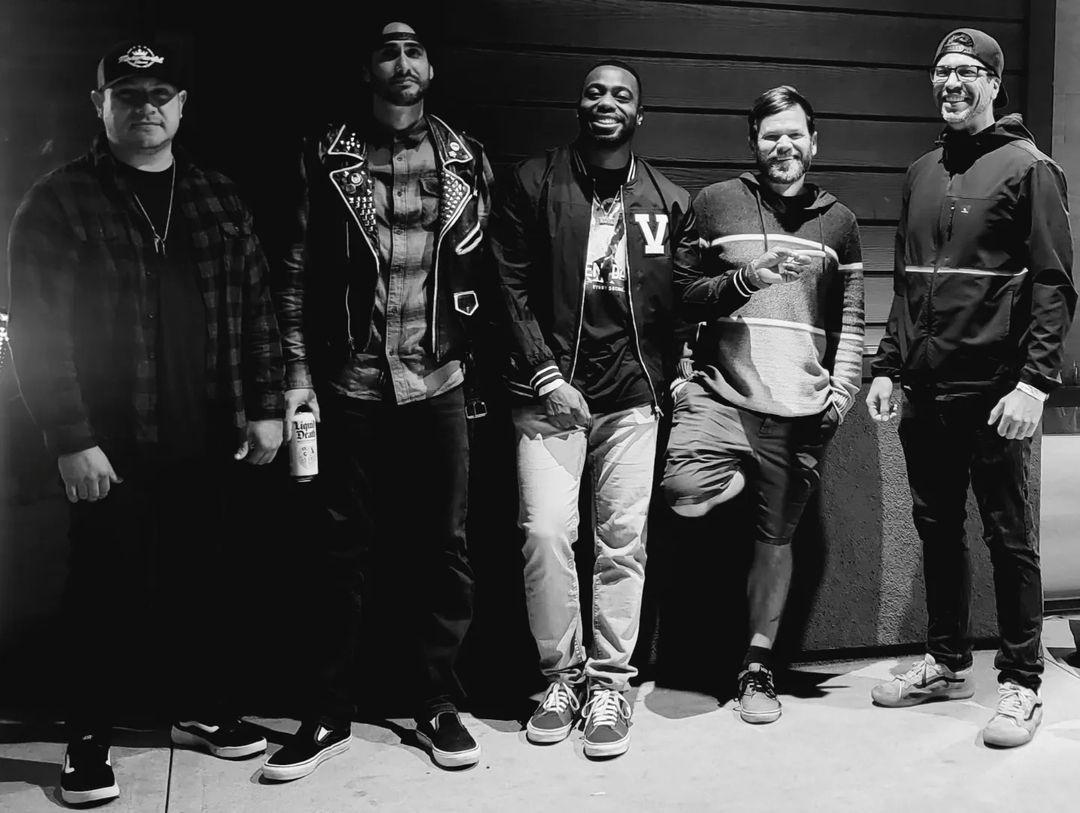
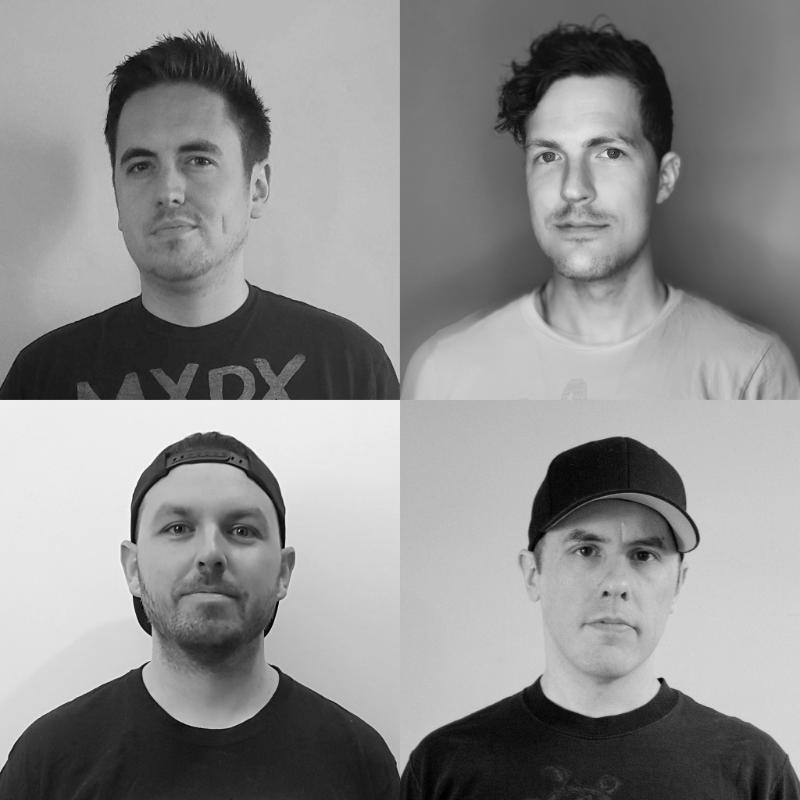
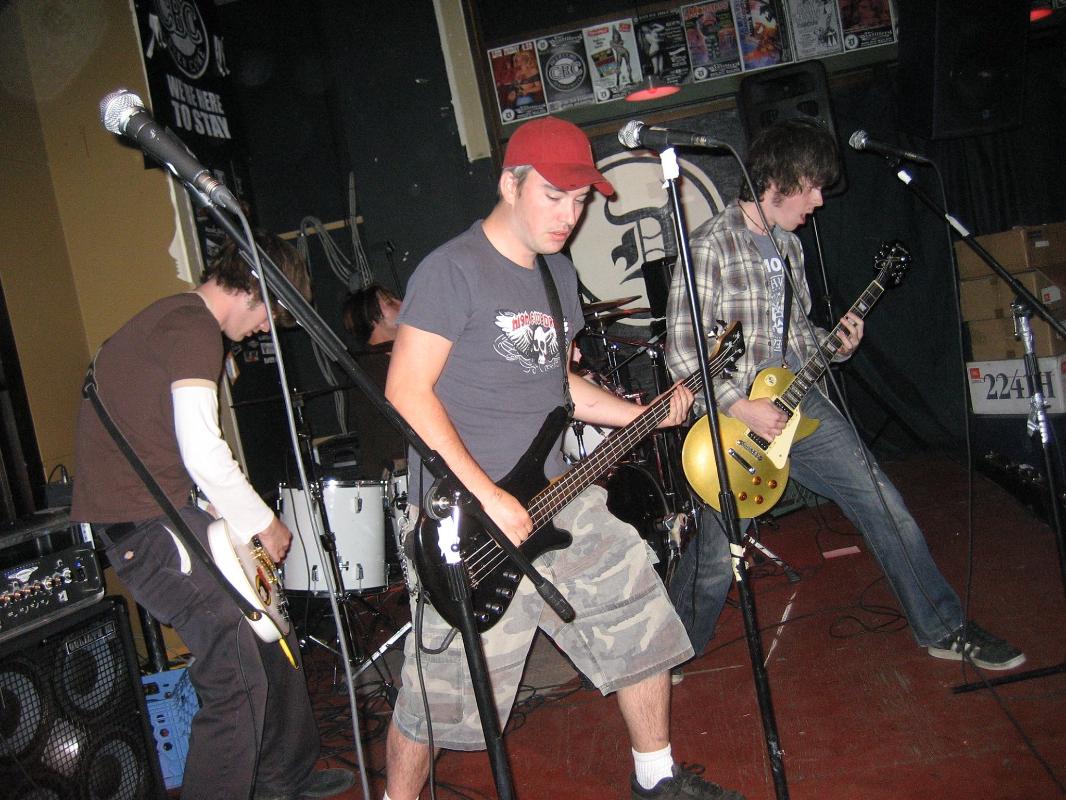
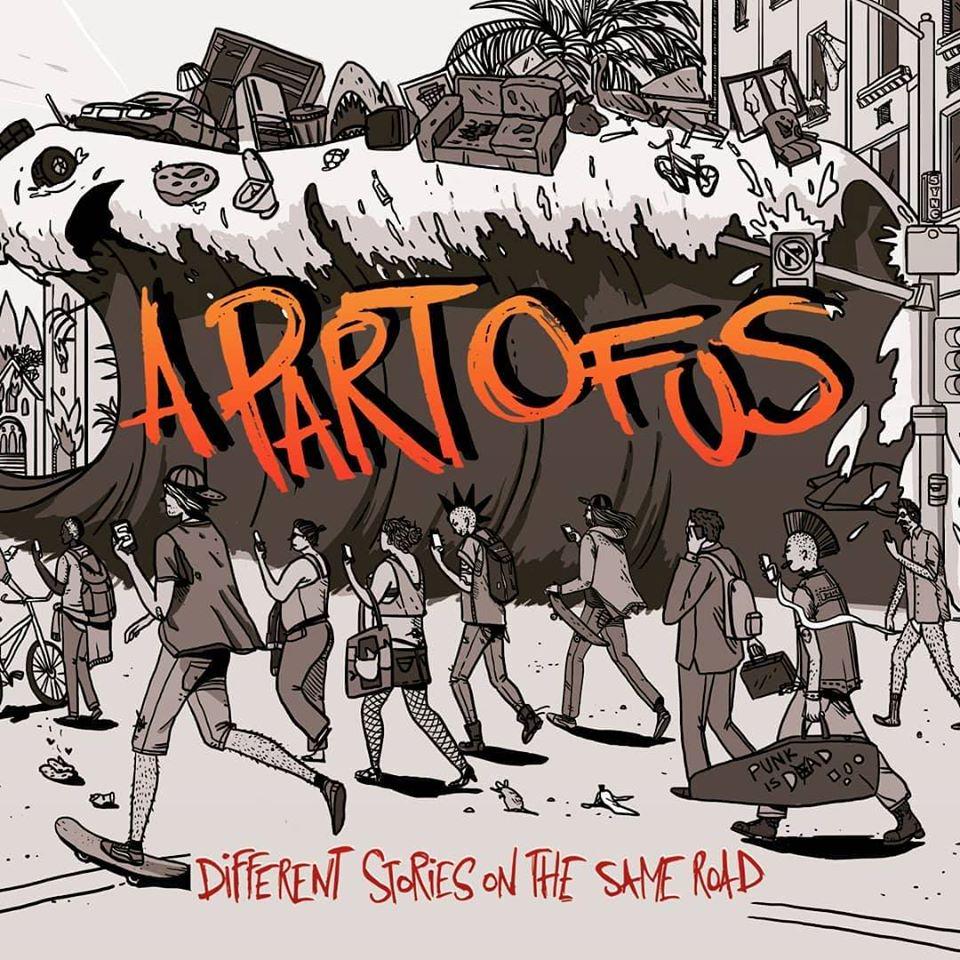
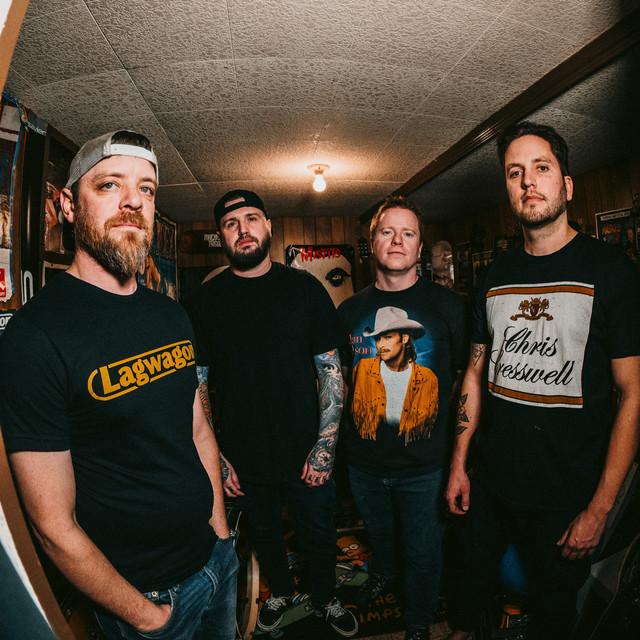
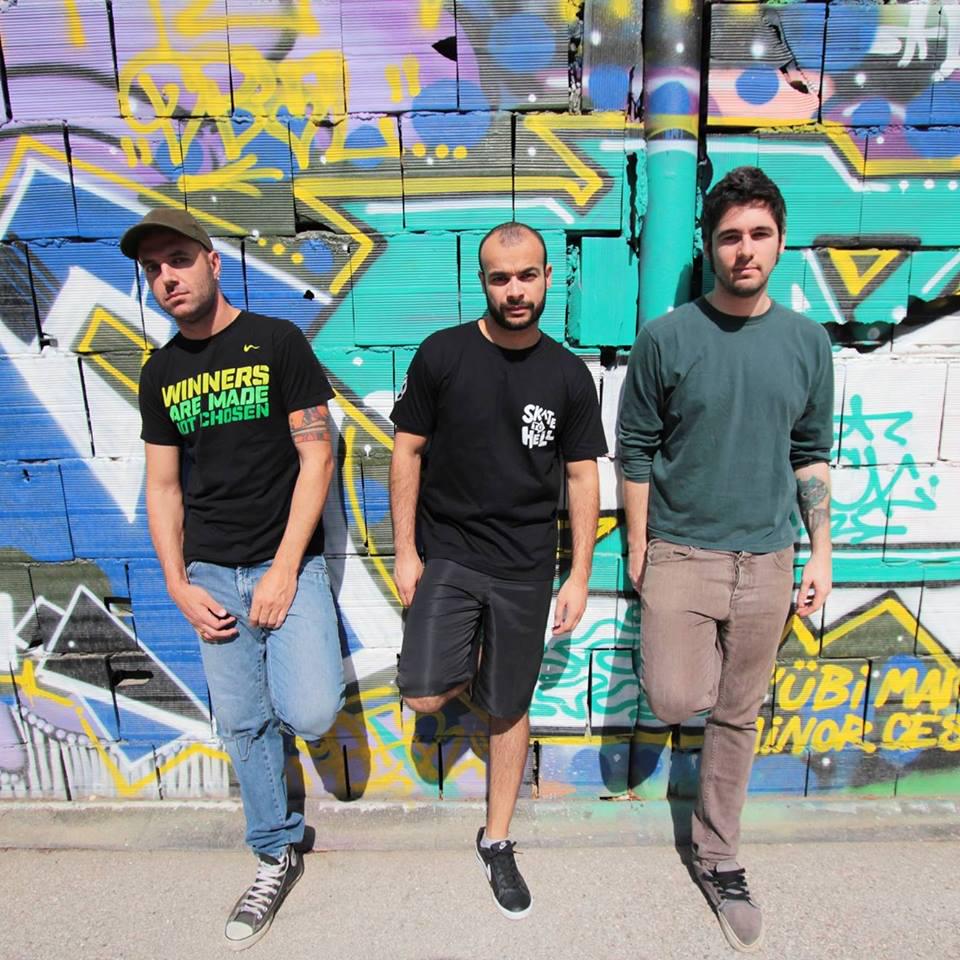
Out In Style’s Spotify BioOut in Style is a Skate Punk band with members from Curitiba (Brazil) and Québec City (Canada). The band started in 2016, when bassist/singer João Xavier decided to record some of his own songs in the USA, at Nick Diener's (The Swellers) studio, in Saginaw - MI. He called a drummer, Ricardo Niemicz, who had been living in Canada for a while, and asked him to join João in his trip. They recorded a 6 track EP, called "Coffee, Beer and a Movie" at Oneder Studios, mixed and egineered by Nick Diener from The Swellers. After that, they drove to Chicago - IL and released a single called "At The Sanatorium", recorded, mixed and mastered by Dan Precision from 88 Fingers Louie at The Bombshelter Studios. Later, the band noticed a lot of downloads from bandcamp and Marlos Andrews joined the band as guitarrist. After that, they were invited to open the south american tour for Satanic Surfers (Sweden) and Antillectual (Holland). Then the band signed with italian label Too Loud Records and recorded… their first full length album, called "Broken Dreams", released in early 2018, along with some music videos of the songs "Looking For You", "Lucid Dream", "Dreaming" and "Blindfolded. After a lot of shows played in Brazil, the band toured Europe in october 2019, and recorded their second full length album, called "Letters Never Sent", out in 2020.
Viberate is a music analytics platform built for A&Rs, artist managers, labels, booking agents, marketers, and artists.
It helps music professionals track artist growth, analyze audience data, monitor playlist activity, compare artists, follow song performance, and identify opportunities across the music market.
Public artist pages provide a free preview of selected artist data. Paid plans provide access to deeper analytics, historical data, charts, comparisons, playlist tools, exports, alerts, reports, and additional professional features.
Yes. Public Viberate artist pages provide selected artist analytics and music data for free.
Viberate also offers a 7-day free trial of the full platform. A credit card is required to start the trial. The trial includes access to the complete product so users can test deeper artist analytics, historical views, playlist insights, comparisons, charts, exports, alerts, and reporting features before choosing a paid plan.
Viberate provides artist analytics across streaming, playlists, social media, video, radio airplay, songs, and audience markets.
Users can analyze Spotify performance, Spotify and Apple Music playlists, YouTube activity, TikTok and Instagram growth, radio spins, song performance, audience locations, demographics, rankings, and overall artist momentum.
Artist profiles also connect to music charts, similar artists, and comparison tools, helping users benchmark performance and evaluate artists in context.
Viberate updates key artist and track data daily.
For followed artists and tracks, selected data is refreshed multiple times per day. This helps teams monitor playlist changes, streaming movement, audience growth, releases, and campaign performance with more current data.
Update frequency can vary depending on the metric and data source.
Yes. Viberate lets users compare up to five artists side by side across streaming, social media, audience, and engagement metrics.
Users can compare fanbase growth, audience demographics, locations, Spotify performance, social metrics, and other artist data over selected time periods.
Artist comparison can be used for A&R scouting, benchmarking, booking decisions, campaign planning, and evaluating artists with similar audiences or market positions.