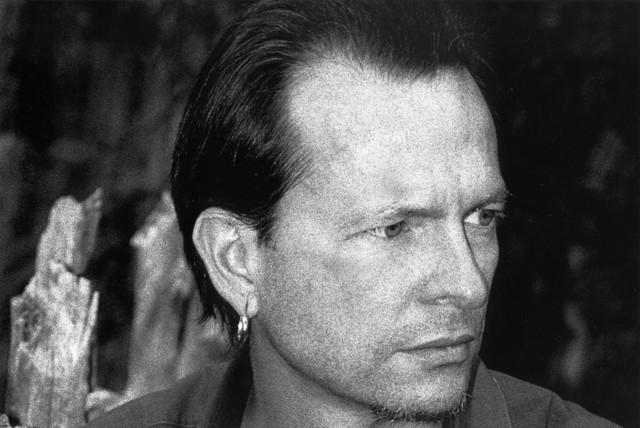
Ottmar Liebert

European
Flamenco
Classical Crossover
 Viberate Rank: 64821
 Viberate Rank: 64821
 Monthly ListenersFollowers
 Subscribers
 Followers
 Followers
 FansTop Spotify Songs
| Track | 7-Day Streams | |
|---|---|---|
1 | 29.85K | |
2 | 22.72K | |
3 | 14.06K | |
4 | 13.06K | |
5 | 12.85K |
Top YouTube VideosMonthly ListenersFeatured in Playlists| Playlist | Followers | |
|---|---|---|
1 |  Spanish Flamenco Guitar Carpe Diem | 59.69K |
2 | Spanish/Latin Acoustic Guitar Sean Helmlinger | 48.95K |
3 |  The Best Of Flamenco Guitar Jānis Mozumačs | 45.02K |
4 |  8D (3D Audio, Usar audífonos) Antonio | 29.66K |
5 | June Araw | 29.58K |
Audience| City | Monthly Listeners | |
|---|---|---|
1 |  | 8.45K |
2 | | 3.08K |
3 |  | 2.83K |
4 |  | 2.62K |
5 | | 1.92K |
See full performance history, audience data, playlist activity, rankings, comparisons, and more in Viberate music analytics. Start with a free trial, then continue with a paid plan.
Ottmar Liebert’s Spotify BioGerman guitarist, composer, and producer Ottmar Liebert rose to success in the 1990s with his Spanish-influenced, easy listening instrumental music that he initially described as "Nouveau Flamenco." Born in Cologne, West Germany, Liebert spent much of his youth traveling around Europe and Asia with his parents. After picking up the guitar at age 11, he developed an early interest in flamenco music, although it was a career in rock that would initially bring him to the United States. After plying his trade for a few years in Boston's early-'80s rock scene, he eventually settled in Santa Fe, New Mexico, where began to develop the instrumental guitar sound that would soon vault him to the top of the new age charts. A self-released album called Marita: Shadows and Storms, under the name Luna Negra, was released in 1989 and sold at a local Native American art gallery in Santa Fe. The album found favor on local radio and soon drew the interest of Higher Octave Music, which re-released it the… following year under the title Nouveau Flamenco and bearing Liebert's own name. It was an immediate success, eventually going double-platinum in the U.S. and propelling Liebert into the spotlight as a new age star. Over the coming decade, he would sell millions of albums and earn Grammy nominations for releases like 1991's Borrasca, 1993's The Hours Between Night & Day, and 1996's Opium.
Over the years, Liebert's style would continue to develop, fusing jazz, classical, pop, and Latin into his own distinctive mix. After many years with Epic Records, Liebert returned to the Higher Octave label, releasing 2002's In the Arms of Love: Lullabies 4 Children & Adults. 2005 saw the release of Winter Rose, his second holiday-themed release, which was followed a year later by the solo guitar album One Guitar, earning him yet another Grammy nomination. For 2008's Up Close, Liebert recorded the album in binaural surround sound. That same year, The Scent of Light earned him yet another Grammy nod. He continued recording prolifically into the next decade, issued albums like 2011's Santa Fe, 2012's Dune, and 2014's three-oh-five. A new anthology released that same year called Bare Wood collected many of his best recordings from 2002-2012. 2015's Waiting N Swan continued his evolution mixing tango and flamenco styles with reggae beats. ~ Timothy Monger, Rovi
Viberate is a music analytics platform built for A&Rs, artist managers, labels, booking agents, marketers, and artists.
It helps music professionals track artist growth, analyze audience data, monitor playlist activity, compare artists, follow song performance, and identify opportunities across the music market.
Public artist pages provide a free preview of selected artist data. Paid plans provide access to deeper analytics, historical data, charts, comparisons, playlist tools, exports, alerts, reports, and additional professional features.
Yes. Public Viberate artist pages provide selected artist analytics and music data for free.
Viberate also offers a 7-day free trial of the full platform. A credit card is required to start the trial. The trial includes access to the complete product so users can test deeper artist analytics, historical views, playlist insights, comparisons, charts, exports, alerts, and reporting features before choosing a paid plan.
Viberate provides artist analytics across streaming, playlists, social media, video, radio airplay, songs, and audience markets.
Users can analyze Spotify performance, Spotify and Apple Music playlists, YouTube activity, TikTok and Instagram growth, radio spins, song performance, audience locations, demographics, rankings, and overall artist momentum.
Artist profiles also connect to music charts, similar artists, and comparison tools, helping users benchmark performance and evaluate artists in context.
Viberate updates key artist and track data daily.
For followed artists and tracks, selected data is refreshed multiple times per day. This helps teams monitor playlist changes, streaming movement, audience growth, releases, and campaign performance with more current data.
Update frequency can vary depending on the metric and data source.
Yes. Viberate lets users compare up to five artists side by side across streaming, social media, audience, and engagement metrics.
Users can compare fanbase growth, audience demographics, locations, Spotify performance, social metrics, and other artist data over selected time periods.
Artist comparison can be used for A&R scouting, benchmarking, booking decisions, campaign planning, and evaluating artists with similar audiences or market positions.