Otos

Pop
Mainstream Pop
Schlager
 Viberate Rank: 626641
 Viberate Rank: 626641
 Monthly ListenersFollowers
 Subscribers
 Followers
 Followers
 FansTop Spotify Songs
| Track | 7-Day Streams | |
|---|---|---|
1 | 782 | |
2 | 689 | |
3 | 152 | |
4 | 146 | |
5 | 90 |
Top YouTube VideosMonthly ListenersFeatured in Playlists| Playlist | Followers | |
|---|---|---|
1 |  Suomipop 2010-2019 Kirsi Hellberg | 8.45K |
2 |  Shuffle me Anssi Huovinen | 4.28K |
3 |  Kesäbiisit/-hitit ♫ ♪ ᴰᴶVallasvuo #kesähitit #kesäbiitit #kesähittejä #kesälista #kesämusa djvallasvuo | 1.62K |
4 |  Rahtarin lista❤️ Miia Tuisku | 1.19K |
Audience| City | Monthly Listeners | |
|---|---|---|
1 |  | 792 |
2 | | 384 |
3 | | 82 |
4 | | 51 |
5 | | 48 |
See full performance history, audience data, playlist activity, rankings, comparisons, and more in Viberate music analytics. Start with a free trial, then continue with a paid plan.
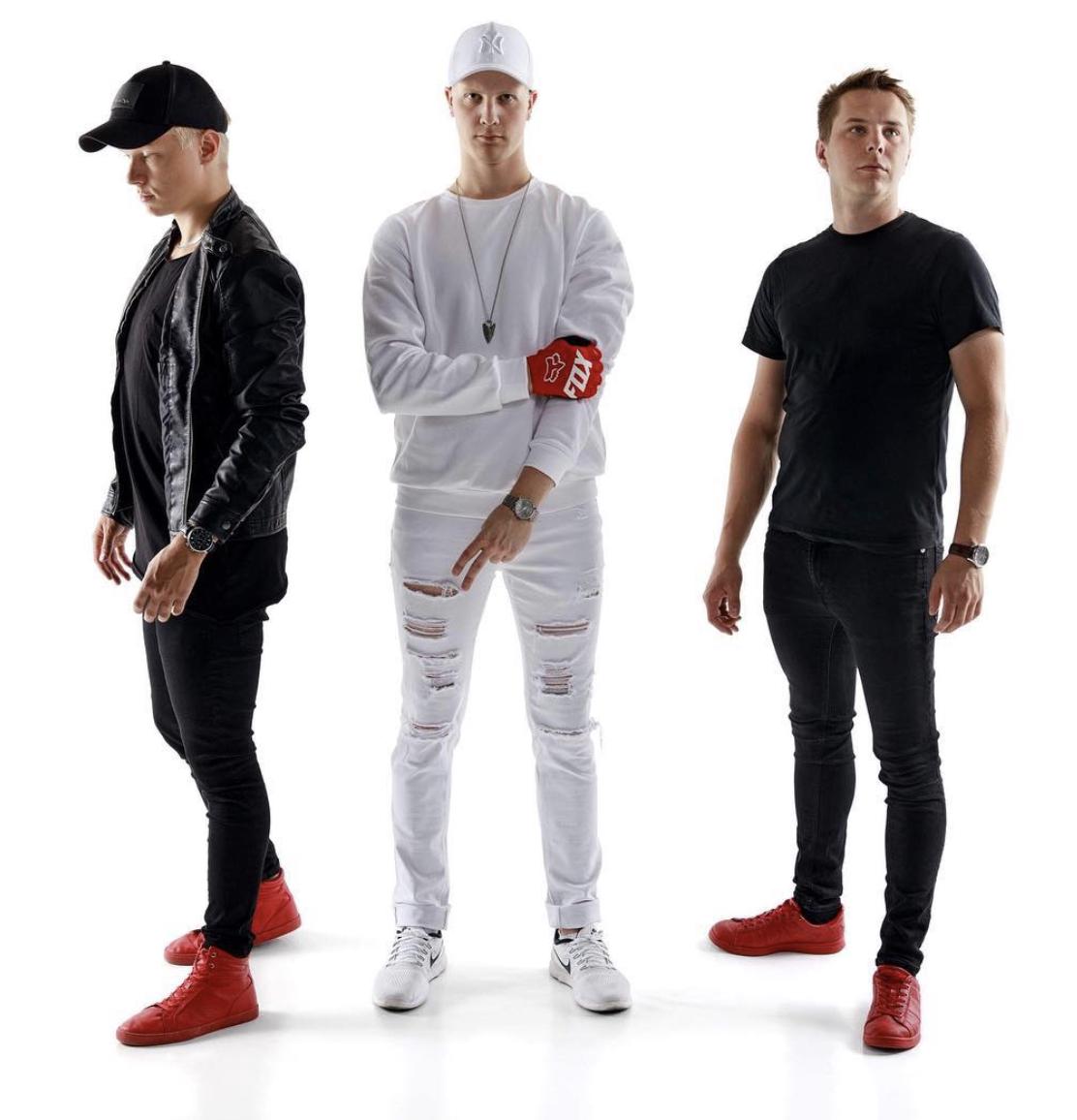
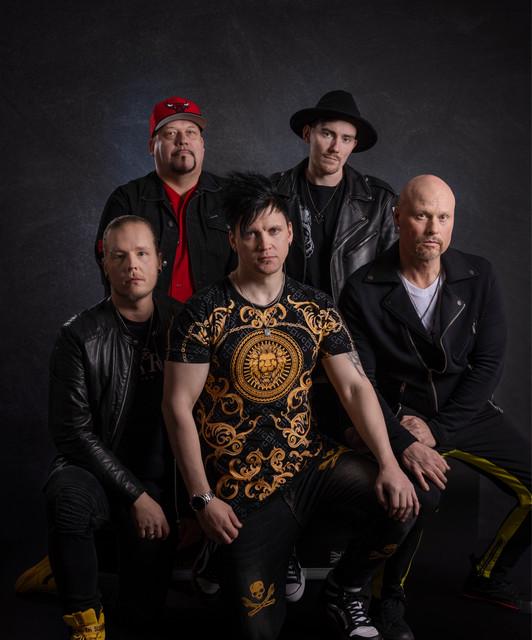
Otos’ Spotify BioOtos was formed year 2012 by Aleksanteri Kuosa and Valtteri Kurki. While both were multi-instrumentalists, and Aleksanteri also
had sound engineers degree with years of experience, it wasn't hard to start making music. At first, it wasn´t so serious and the
first song wasn´t published until 2015. It was called Kemijärvi and it got, of course, great feedback, especially from people living
there. Actually, also the bands name Otos, was not decided until then. It was like,"We are going public, we should have name. It
should be something simple like... Toto". So the first finnish word, what was very close to that was Otos. Dictionary gives it
english meanings: sample, take, snap, photo, random sample.
So Otos kept going as independent studioband, and by 2020 we had over half a million spotify streams without almost any promotion.
And then in march 2020 Martti Heikkinen from Texicalli Records heard two our demos, and instantly signed us. First single will be
out on 17.4.2020. So it is serious… business now. Feel free to like and share us on FB and IG. Links should be somewhere here.
In songwriters job, the best song is forever still waiting to come up.
Viberate is a music analytics platform built for A&Rs, artist managers, labels, booking agents, marketers, and artists.
It helps music professionals track artist growth, analyze audience data, monitor playlist activity, compare artists, follow song performance, and identify opportunities across the music market.
Public artist pages provide a free preview of selected artist data. Paid plans provide access to deeper analytics, historical data, charts, comparisons, playlist tools, exports, alerts, reports, and additional professional features.
Yes. Public Viberate artist pages provide selected artist analytics and music data for free.
Viberate also offers a 7-day free trial of the full platform. A credit card is required to start the trial. The trial includes access to the complete product so users can test deeper artist analytics, historical views, playlist insights, comparisons, charts, exports, alerts, and reporting features before choosing a paid plan.
Viberate provides artist analytics across streaming, playlists, social media, video, radio airplay, songs, and audience markets.
Users can analyze Spotify performance, Spotify and Apple Music playlists, YouTube activity, TikTok and Instagram growth, radio spins, song performance, audience locations, demographics, rankings, and overall artist momentum.
Artist profiles also connect to music charts, similar artists, and comparison tools, helping users benchmark performance and evaluate artists in context.
Viberate updates key artist and track data daily.
For followed artists and tracks, selected data is refreshed multiple times per day. This helps teams monitor playlist changes, streaming movement, audience growth, releases, and campaign performance with more current data.
Update frequency can vary depending on the metric and data source.
Yes. Viberate lets users compare up to five artists side by side across streaming, social media, audience, and engagement metrics.
Users can compare fanbase growth, audience demographics, locations, Spotify performance, social metrics, and other artist data over selected time periods.
Artist comparison can be used for A&R scouting, benchmarking, booking decisions, campaign planning, and evaluating artists with similar audiences or market positions.