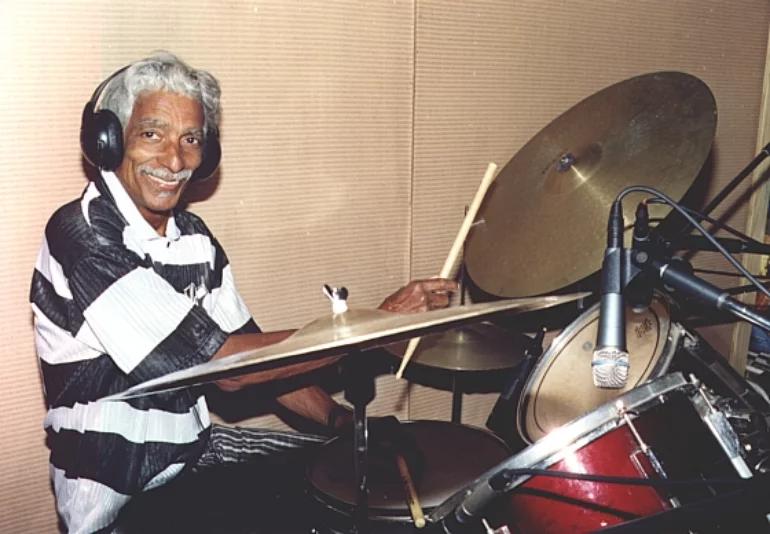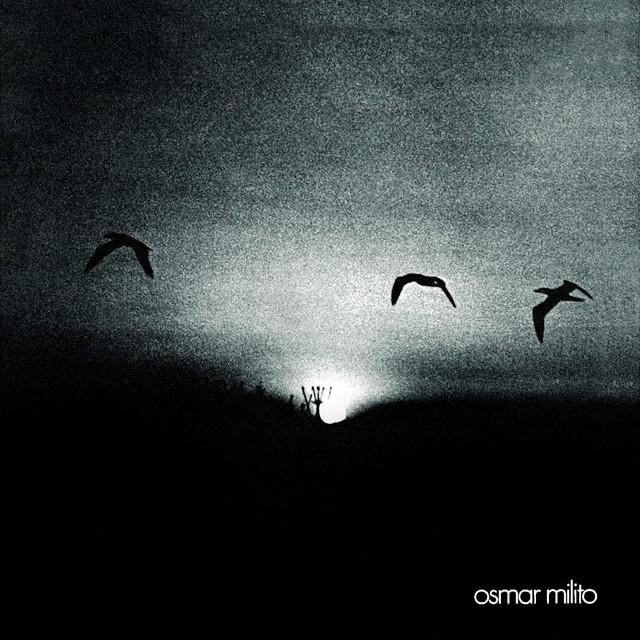
Osmar Milito

Latin
Samba
Latin Jazz
 Viberate Rank: 304960
 Viberate Rank: 304960
 Monthly ListenersFollowers
 Subscribers
 Followers
 Followers
 FansTop Spotify Songs
| Track | 7-Day Streams | |
|---|---|---|
1 | 2.21K | |
2 | 1.47K | |
3 | 548 | |
4 | 377 | |
5 | 327 |
Top YouTube VideosMonthly ListenersFeatured in Playlists| Playlist | Followers | |
|---|---|---|
1 |  🪐Floating Points Turntable🪐 Floating Points | 35.37K |
2 |  Spring/Summer (Numero Group) Numero Group Concierge | 10.52K |
3 |  A Maior Playlist de Música Brasileira do Mundo Petrobras | 9.01K |
4 |  Straight From The Decks + Beach Diggin' / Compilations Guts | 8.43K |
5 |  Late Night Tales: Digging In The Crates Late Night Tales | 7.94K |
Audience| City | Monthly Listeners | |
|---|---|---|
1 | | 1.05K |
2 | | 468 |
3 | | 215 |
4 | | 166 |
5 |  | 148 |
See full performance history, audience data, playlist activity, rankings, comparisons, and more in Viberate music analytics. Start with a free trial, then continue with a paid plan.
Osmar Milito’s Spotify BioOsmar Milito had a noted participation as a pianist starting in the 1960s. Owner of a strong harmonic sense, his resumé included collaborations with Liza Minnelli, Sammy Davis, Jr., Pat Metheny, Cláudio Roditi, Hendrik Meurkens, Tony Bennett, Sarah Vaughan, Randy Brecker, Benny Golson, Spanky Wilson, Mark Murphy, and Hermeto Pascoal, among others. Brother of Hélcio Milito (from the Tamba Trio), Osmar became a professional in 1964, backing up Elis Regina, Silvinha Telles, Leny Andrade, Nara Leão, Paulo Moura, Edison Machado, Maria Bethânia, Gilberto Gil, Vinicius de Moraes, and Jorge Ben. After spending a season in Mexico, Milito settled in the U.S. for two years, during which he accompanied Sergio Mendes. Returning to Brazil in the '70s, he continued to work with top MPB artists such as Chico Buarque, Ivan Lins, and Nana Caymmi, and instrumental musicians like Pascoal Meirelles, Márcio Montarroyos, Mauro Senise, and Paulinho da Costa. His first solo album was recorded in 1971, having… been released in Argentina, U.S., Japan, and Europe. Milito died on September 23, 2024; he was 83 years of age. ~ Alvaro Neder, Rovi
Viberate is a music analytics platform built for A&Rs, artist managers, labels, booking agents, marketers, and artists.
It helps music professionals track artist growth, analyze audience data, monitor playlist activity, compare artists, follow song performance, and identify opportunities across the music market.
Public artist pages provide a free preview of selected artist data. Paid plans provide access to deeper analytics, historical data, charts, comparisons, playlist tools, exports, alerts, reports, and additional professional features.
Yes. Public Viberate artist pages provide selected artist analytics and music data for free.
Viberate also offers a 7-day free trial of the full platform. A credit card is required to start the trial. The trial includes access to the complete product so users can test deeper artist analytics, historical views, playlist insights, comparisons, charts, exports, alerts, and reporting features before choosing a paid plan.
Viberate provides artist analytics across streaming, playlists, social media, video, radio airplay, songs, and audience markets.
Users can analyze Spotify performance, Spotify and Apple Music playlists, YouTube activity, TikTok and Instagram growth, radio spins, song performance, audience locations, demographics, rankings, and overall artist momentum.
Artist profiles also connect to music charts, similar artists, and comparison tools, helping users benchmark performance and evaluate artists in context.
Viberate updates key artist and track data daily.
For followed artists and tracks, selected data is refreshed multiple times per day. This helps teams monitor playlist changes, streaming movement, audience growth, releases, and campaign performance with more current data.
Update frequency can vary depending on the metric and data source.
Yes. Viberate lets users compare up to five artists side by side across streaming, social media, audience, and engagement metrics.
Users can compare fanbase growth, audience demographics, locations, Spotify performance, social metrics, and other artist data over selected time periods.
Artist comparison can be used for A&R scouting, benchmarking, booking decisions, campaign planning, and evaluating artists with similar audiences or market positions.