Os Mutantes

Rock
Psychedelic Rock
Nova MPB
 Viberate Rank: 31643
 Viberate Rank: 31643
 Monthly ListenersFollowers
 Subscribers
 Followers
 Followers
 FansTop Spotify Songs
| Track | 7-Day Streams | |
|---|---|---|
1 | 72.39K | |
2 | 52.73K | |
3 | 39.09K | |
4 | 26.65K | |
5 | 25.10K |
Top YouTube Videos| Video | 7-Day Views | |
|---|---|---|
1 | 879 | |
2 | 432 | |
3 | 413 | |
4 | 392 | |
5 | 290 |
Monthly ListenersFeatured in Playlists| Playlist | Followers | |
|---|---|---|
1 |  Psychedelic Rock Spotify | 1.27M |
2 |  Coleção MPB Spotify | 613.05K |
3 |  Alternative 60s Spotify | 360.55K |
4 |  Élite - The Soundtrack Spotify | 318.59K |
5 |  Brasilidades Spotify | 310.16K |
Audience| City | Monthly Listeners | |
|---|---|---|
1 | | 66.10K |
2 | | 23.91K |
3 | | 18.89K |
4 | | 13.76K |
5 | | 12.68K |
See full performance history, audience data, playlist activity, rankings, comparisons, and more in Viberate music analytics. Start with a free trial, then continue with a paid plan.
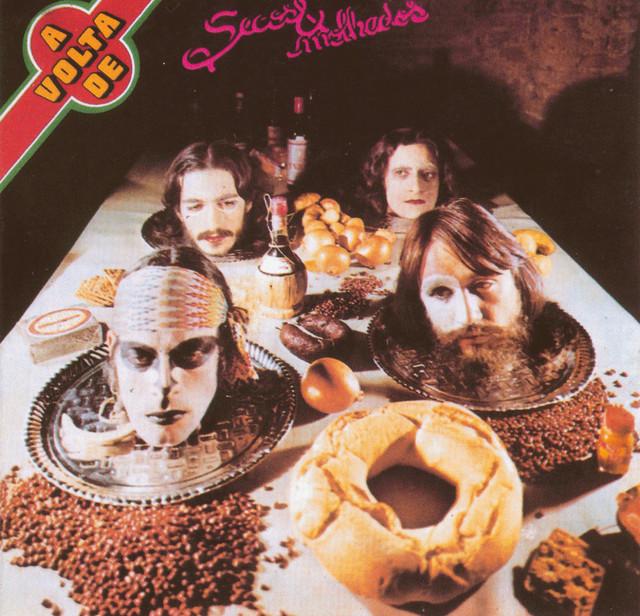
Os Mutantes’ Spotify BioThough rarely heard outside their Brazilian homeland (especially during the first phase of their career), Os Mutantes were one of the most dynamic, talented, radical bands of the psychedelic era -- quite an accomplishment during a period in which most rock bands spent quality time exploring the outer limits of pop music. A trio of brash musical experimentalists, the group fiddled with distortion, feedback, musique concrète, and studio tricks of all kinds to create a lighthearted, playful version of extreme Brazilian pop.
The band was formed by the two Baptista brothers, Arnaldo (bass, keyboards) and Sérgio (guitar), whose father was a celebrated São Paulo concert pianist. In 1964, the pair formed a teenage band named the Wooden Faces. After they met Rita Lee, the three played together in the Six Sided Rockers before graduation broke up the band. Yet another name change (to O Conjunto) preceded the formation of Os Mutantes in 1966, the final name coming from the science fiction novel O… Planeta dos Mutantes. With a third Baptista brother (Cláudio) helping out on electronics, the group played each week on the Brazilian TV show O Pequeno Mundo de Ronnie Von and became involved with the burgeoning Tropicalia movement. Os Mutantes backed the Tropicalista hero Gilberto Gil at the third annual Festival of Brazilian Music in 1967, then appeared on the watershed 1968 LP Tropicalia: Ou Panis et Circenses, a compilation of songs from the movement's major figures: Gil, Caetano Veloso, Gal Costa, Tom Zé, and Nara Leão.
By the end of 1968, Os Mutantes delivered their self-titled debut, a raucous, entertaining mess of a record featuring long passages of environmental sounds, tape music, and tortured guitar lines no self-respecting engineer would've allowed in the mix (especially at such a high volume). After time spent backing Veloso and recording a second LP of similarly crazed psychedelic pop, the band ventured to France and Europe for a few music conference shows. Upon returning to Brazil, they set up their own multimedia extravaganza -- complete with film, actors, dancing, and audience participation. Despite distractions of all kinds, the group also managed to record LPs in 1970 (Divina Comédia ou Ando Meio Desligado) and 1971 (Jardim Eletrico), both of which charted the band's shifting interests from psychedelic to blues and hard rock.
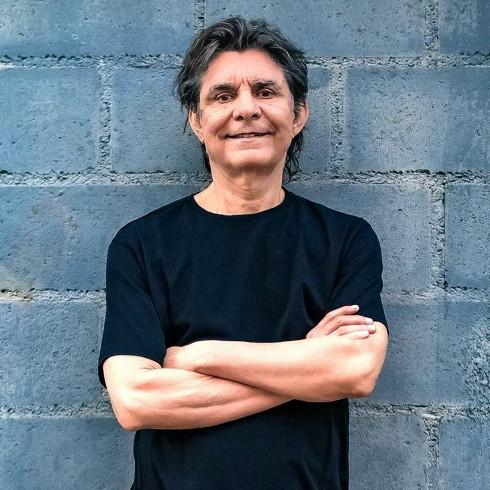
After 1972's E Seus Cometas No Pais do Baurets, Rita Lee departed or was fired from the band (accounts vary) and resumed a solo career that ran concurrently with Os Mutantes (her debut, 1970's Build Up, had been co-produced by the Baptistas). Later Mutantes LPs displayed influences from prog rock, and after Arnaldo Baptista left the fold as well, the group's LPs included a succession of bandmembers -- later-to-be-legendary producer Liminha, keyboard player Túlio, and drummer Rui Motta. Except for a 1976 live record, 1974's Tudo Foi Feito Pelo Sol was the band's final LP. Sérgio later moved to America, where he played with Phil Manzanera, among others. After recording a 1974 solo album, Arnaldo played with a new band (Space Patrol) during the late '70s and spent time in a psychiatric hospital before emerging for his second solo work, 1982's Singin' Alone. Meanwhile, though Rita Lee's solo career began sputtering near the end of the '80s, the band turned down a request for a 1993 reunion show by Nirvana's Kurt Cobain. Six years later, the Omplatten label reissued the first three Os Mutantes records, and David Byrne assembled the Everything Is Possible compilation through Luaka Bop.
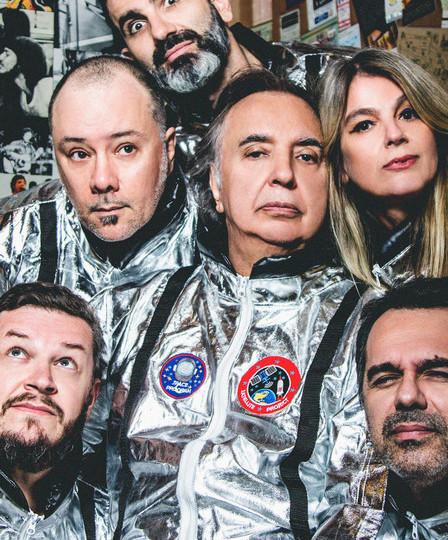
In 2006, Os Mutantes reunited for a performance in London. Both Rita Lee and Liminha sat the reunion out, however, and newcomer Zélia Duncan handled lead vocals. A year later, the band collaborated with DJ J.D. Twitch for Trocabrahma, a cultural exchange program, and 2008 found Os Mutantes releasing their first new song in three decades, "Mutantes Depois." A full album, Haih...Ou Amortecedor..., followed one year later. In 2013, the rebooted band returned with Fool Metal Jack, another full-length of dire anti-war sentiments and oddball sounds. ~ John Bush, Rovi
Viberate is a music analytics platform built for A&Rs, artist managers, labels, booking agents, marketers, and artists.
It helps music professionals track artist growth, analyze audience data, monitor playlist activity, compare artists, follow song performance, and identify opportunities across the music market.
Public artist pages provide a free preview of selected artist data. Paid plans provide access to deeper analytics, historical data, charts, comparisons, playlist tools, exports, alerts, reports, and additional professional features.
Yes. Public Viberate artist pages provide selected artist analytics and music data for free.
Viberate also offers a 7-day free trial of the full platform. A credit card is required to start the trial. The trial includes access to the complete product so users can test deeper artist analytics, historical views, playlist insights, comparisons, charts, exports, alerts, and reporting features before choosing a paid plan.
Viberate provides artist analytics across streaming, playlists, social media, video, radio airplay, songs, and audience markets.
Users can analyze Spotify performance, Spotify and Apple Music playlists, YouTube activity, TikTok and Instagram growth, radio spins, song performance, audience locations, demographics, rankings, and overall artist momentum.
Artist profiles also connect to music charts, similar artists, and comparison tools, helping users benchmark performance and evaluate artists in context.
Viberate updates key artist and track data daily.
For followed artists and tracks, selected data is refreshed multiple times per day. This helps teams monitor playlist changes, streaming movement, audience growth, releases, and campaign performance with more current data.
Update frequency can vary depending on the metric and data source.
Yes. Viberate lets users compare up to five artists side by side across streaming, social media, audience, and engagement metrics.
Users can compare fanbase growth, audience demographics, locations, Spotify performance, social metrics, and other artist data over selected time periods.
Artist comparison can be used for A&R scouting, benchmarking, booking decisions, campaign planning, and evaluating artists with similar audiences or market positions.