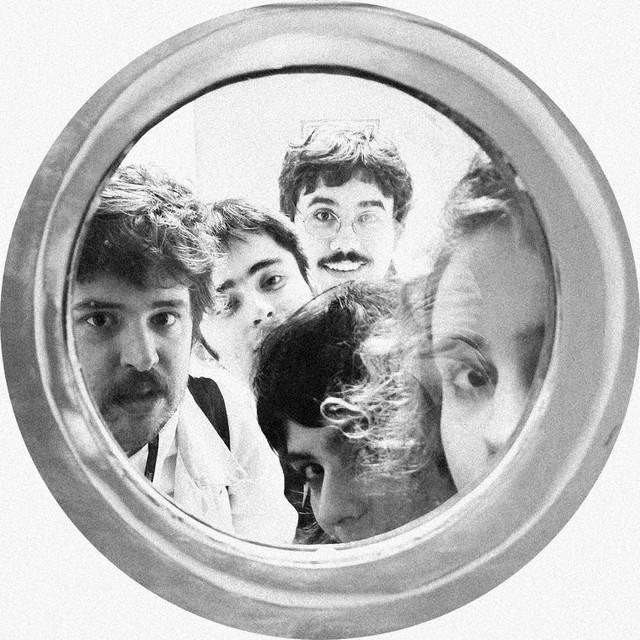
ORUÃ

Rock
Psychedelic Rock
Alternative Rock
 Viberate Rank: 186991
 Viberate Rank: 186991
 Monthly ListenersFollowers
 Subscribers
 Followers
 Followers
 FansTop Spotify Songs
| Track | 7-Day Streams | |
|---|---|---|
1 | 1.15K | |
2 | 919 | |
3 | 765 | |
4 | 704 | |
5 | 592 |
Top YouTube Videos| Video | 7-Day Views | |
|---|---|---|
1 | 1 | |
2 | 1 |
Monthly ListenersFeatured in Playlists| Playlist | Followers | |
|---|---|---|
1 |  Neo-Psychedelic Rock Spotify | 583.63K |
2 |  O LollaBR é você! Bradesco | 156.68K |
3 |  A Maior Playlist de Música Brasileira do Mundo Petrobras | 9.01K |
4 |  Lollapalooza Brasil 2026 Spotify | 8.85K |
5 |  The Sound of Neo-Psychedelic The Sounds of Spotify | 6.85K |
Audience| City | Monthly Listeners | |
|---|---|---|
1 | | 1.22K |
2 | | 449 |
3 | | 276 |
4 | | 265 |
5 | | 250 |
See full performance history, audience data, playlist activity, rankings, comparisons, and more in Viberate music analytics. Start with a free trial, then continue with a paid plan.
ORUÃ’s Spotify BioFormed in Rio de Janeiro, Oruã has become stalwarts of the Brazilian lo-fi music scene. The band is lead by critically-acclaimed guitarist and producer Lê Almeida and is joined by long-time collaborators João Casaes (synths), Bigu Medine (bass) and Phill Fernandes (drums). Together, they blend lo-fi indie rock, krautrock, noise, afrobeat, and Brazilian references that range from Luiz Gonzaga’s primal Pernambuco sound to classic Brazilian psych rock. In 2019 their sound was discovered by indie rock legend Doug Martsch of Built to Spill, which led to him inviting Lê and João to become temporary members of the 90’s indie rock band. Later, they recorded, co-produced, and co-mixed Built to Spill’s most recent album, When the Wind Forgets Your Name, released in 2022 on Sub Pop Records.
After showcasing their high-energy shows in the US and Europe throughout the years, Oruã will return to the US in 2024 in support of their forthcoming album, PASSE (on Transfusão Noise Records). Their sound… continues to mix the electric pulses of deconstructed guitars over a mesmerizing groove, taking both audience and band into a collective trance.
Viberate is a music analytics platform built for A&Rs, artist managers, labels, booking agents, marketers, and artists.
It helps music professionals track artist growth, analyze audience data, monitor playlist activity, compare artists, follow song performance, and identify opportunities across the music market.
Public artist pages provide a free preview of selected artist data. Paid plans provide access to deeper analytics, historical data, charts, comparisons, playlist tools, exports, alerts, reports, and additional professional features.
Yes. Public Viberate artist pages provide selected artist analytics and music data for free.
Viberate also offers a 7-day free trial of the full platform. A credit card is required to start the trial. The trial includes access to the complete product so users can test deeper artist analytics, historical views, playlist insights, comparisons, charts, exports, alerts, and reporting features before choosing a paid plan.
Viberate provides artist analytics across streaming, playlists, social media, video, radio airplay, songs, and audience markets.
Users can analyze Spotify performance, Spotify and Apple Music playlists, YouTube activity, TikTok and Instagram growth, radio spins, song performance, audience locations, demographics, rankings, and overall artist momentum.
Artist profiles also connect to music charts, similar artists, and comparison tools, helping users benchmark performance and evaluate artists in context.
Viberate updates key artist and track data daily.
For followed artists and tracks, selected data is refreshed multiple times per day. This helps teams monitor playlist changes, streaming movement, audience growth, releases, and campaign performance with more current data.
Update frequency can vary depending on the metric and data source.
Yes. Viberate lets users compare up to five artists side by side across streaming, social media, audience, and engagement metrics.
Users can compare fanbase growth, audience demographics, locations, Spotify performance, social metrics, and other artist data over selected time periods.
Artist comparison can be used for A&R scouting, benchmarking, booking decisions, campaign planning, and evaluating artists with similar audiences or market positions.