Orthodox

Metal
Doom/Sludge Metal
Alternative Metal
 Viberate Rank: 449570
 Viberate Rank: 449570
 Monthly ListenersFollowers
 Subscribers
 Followers
 Followers
 FansTop Spotify Songs
| Track | 7-Day Streams | |
|---|---|---|
1 | 24 | |
2 | 24 | |
3 | 6 | |
4 | 6 | |
5 | 6 |
Top YouTube VideosMonthly ListenersFeatured in Playlists| Playlist | Followers | |
|---|---|---|
1 |  The Sound of Drone Metal The Sounds of Spotify | 4.21K |
2 |  Experimental Metal / Avant-Garde Metal Eric Marvin | 4.07K |
3 |  Black Sabbath Tributes & Covers Júlio Costa | 2.98K |
4 |  The Sound of Post-Metal The Sounds of Spotify | 2.87K |
5 | San Miguel Primavera Sound 2012 Primavera Sound Festival | 2.08K |
Audience| City | Monthly Listeners | |
|---|---|---|
1 | | 6 |
2 | | 6 |
3 |  | 3 |
4 |  | 3 |
See full performance history, audience data, playlist activity, rankings, comparisons, and more in Viberate music analytics. Start with a free trial, then continue with a paid plan.
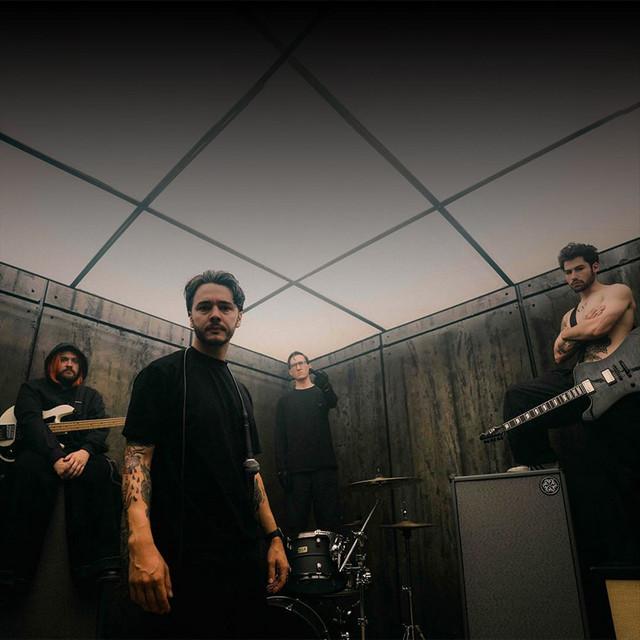
Orthodox’s Spotify BioOrthodox is a Spanish power trio devoted to the dark practice of improbably lethargic, epic doom drones, which they carve out of granite building blocks along the lines of chief stylistic touchstones like Earth, Boris and Sunn O))) (whose trademark, hooded monk cloaks, they have also chosen to adopt.) Founded in Sevilla, in 2004, by vocalist/guitarist Ricardo Jimenez Gómez, bassist Marco Serrato Gallardo and drummer B. Diaz Vera (formerly members of The Forge, Degüello and Tierra), Orthodox released their first full-length CD, 2006's Gran Poder, through independent Spanish label Alone Records. Like its 2007 successor, Amanecer en Puerta Oscura, it was later issued in the U.S. by Southern Lord; but whereas both titles are characterized by sparse lyrics delving into subjects of sin, oppression and religious folklore, the latter saw the group breaking away from doom's restraints in order to experiment with avant-garde jazz inspired by John Coltrane. ~ Eduardo Rivadavia, Rovi
Viberate is a music analytics platform built for A&Rs, artist managers, labels, booking agents, marketers, and artists.
It helps music professionals track artist growth, analyze audience data, monitor playlist activity, compare artists, follow song performance, and identify opportunities across the music market.
Public artist pages provide a free preview of selected artist data. Paid plans provide access to deeper analytics, historical data, charts, comparisons, playlist tools, exports, alerts, reports, and additional professional features.
Yes. Public Viberate artist pages provide selected artist analytics and music data for free.
Viberate also offers a 7-day free trial of the full platform. A credit card is required to start the trial. The trial includes access to the complete product so users can test deeper artist analytics, historical views, playlist insights, comparisons, charts, exports, alerts, and reporting features before choosing a paid plan.
Viberate provides artist analytics across streaming, playlists, social media, video, radio airplay, songs, and audience markets.
Users can analyze Spotify performance, Spotify and Apple Music playlists, YouTube activity, TikTok and Instagram growth, radio spins, song performance, audience locations, demographics, rankings, and overall artist momentum.
Artist profiles also connect to music charts, similar artists, and comparison tools, helping users benchmark performance and evaluate artists in context.
Viberate updates key artist and track data daily.
For followed artists and tracks, selected data is refreshed multiple times per day. This helps teams monitor playlist changes, streaming movement, audience growth, releases, and campaign performance with more current data.
Update frequency can vary depending on the metric and data source.
Yes. Viberate lets users compare up to five artists side by side across streaming, social media, audience, and engagement metrics.
Users can compare fanbase growth, audience demographics, locations, Spotify performance, social metrics, and other artist data over selected time periods.
Artist comparison can be used for A&R scouting, benchmarking, booking decisions, campaign planning, and evaluating artists with similar audiences or market positions.