Orchestra At Temple Square

Religious
Christian Music
Choral
 Viberate Rank: 57509
 Viberate Rank: 57509
 Monthly ListenersFollowers
 Subscribers
 Followers
 Followers
 FansTop Spotify Songs
| Track | 7-Day Streams | |
|---|---|---|
1 | 52.47K | |
2 | 41.98K | |
3 | 20.07K | |
4 | 16.61K | |
5 | 16.34K |
Top YouTube VideosMonthly ListenersFeatured in Playlists| Playlist | Followers | |
|---|---|---|
1 |  Classical Crossover Spotify | 437.33K |
2 |  This Is The Piano Guys Spotify | 185.71K |
3 |  Weihnachtssongs 2026 🎄 🌟 Die größten Weihnachtshits 🎅 Filtr Germany | 158.43K |
4 |  The Piano Guys | Complete Collection The Piano Guys | 113.75K |
5 |  Choir songs that give me chills Alexa👹 | 102.31K |
Audience| City | Monthly Listeners | |
|---|---|---|
1 | | 15.90K |
2 | | 4.45K |
3 | | 3.78K |
4 |  | 3.76K |
5 | | 3.65K |
See full performance history, audience data, playlist activity, rankings, comparisons, and more in Viberate music analytics. Start with a free trial, then continue with a paid plan.
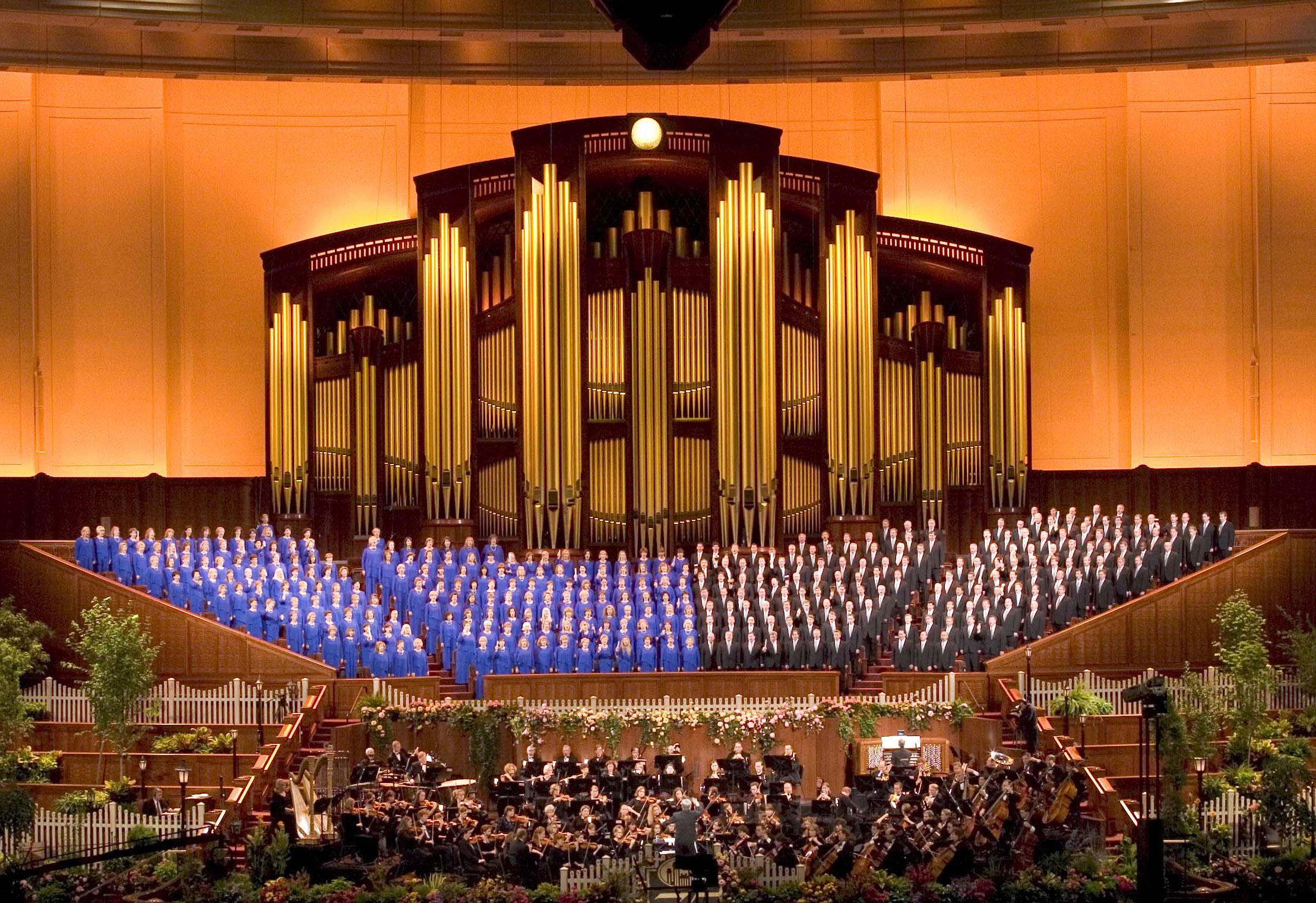
Orchestra At Temple Square’s Spotify BioThe Orchestra at Temple Square, of Salt Lake City, Utah, was founded in 1999 as a companion ensemble to the world-famous Mormon Tabernacle Choir. The orchestra appears in weekly Tabernacle Choir television broadcasts, on Choir recordings, and in televised Christmas specials. As of 2017, it had appeared on 36 Mormon Tabernacle Choir recordings, including a 2016 reading of Handel's Messiah. At that date, the orchestra's music director was Mack Wilberg, also music director of the Tabernacle Choir, Temple Square Chorale, and Bells on Temple Square. The Orchestra at Temple Square also performs concerts of symphonic and concerto repertory unconnected with Mormon liturgical functions, an activity instituted in 2003 by former music director Igor Gruppman.
The Orchestra at Temple Square had paid musicians at its founding, but it has evolved into an all-volunteer organization, with members donating their time and effort as a form of contribution to the Mormon Church. Part of the group's reason… for being is to allow instrumental musicians the same opportunity to donate their talents as singers have in the Mormon Tabernacle Choir. About 85 musicians participate in weekly broadcasts, but the orchestra can expand to a roster of 200 as circumstances require.
Viberate is a music analytics platform built for A&Rs, artist managers, labels, booking agents, marketers, and artists.
It helps music professionals track artist growth, analyze audience data, monitor playlist activity, compare artists, follow song performance, and identify opportunities across the music market.
Public artist pages provide a free preview of selected artist data. Paid plans provide access to deeper analytics, historical data, charts, comparisons, playlist tools, exports, alerts, reports, and additional professional features.
Yes. Public Viberate artist pages provide selected artist analytics and music data for free.
Viberate also offers a 7-day free trial of the full platform. A credit card is required to start the trial. The trial includes access to the complete product so users can test deeper artist analytics, historical views, playlist insights, comparisons, charts, exports, alerts, and reporting features before choosing a paid plan.
Viberate provides artist analytics across streaming, playlists, social media, video, radio airplay, songs, and audience markets.
Users can analyze Spotify performance, Spotify and Apple Music playlists, YouTube activity, TikTok and Instagram growth, radio spins, song performance, audience locations, demographics, rankings, and overall artist momentum.
Artist profiles also connect to music charts, similar artists, and comparison tools, helping users benchmark performance and evaluate artists in context.
Viberate updates key artist and track data daily.
For followed artists and tracks, selected data is refreshed multiple times per day. This helps teams monitor playlist changes, streaming movement, audience growth, releases, and campaign performance with more current data.
Update frequency can vary depending on the metric and data source.
Yes. Viberate lets users compare up to five artists side by side across streaming, social media, audience, and engagement metrics.
Users can compare fanbase growth, audience demographics, locations, Spotify performance, social metrics, and other artist data over selected time periods.
Artist comparison can be used for A&R scouting, benchmarking, booking decisions, campaign planning, and evaluating artists with similar audiences or market positions.