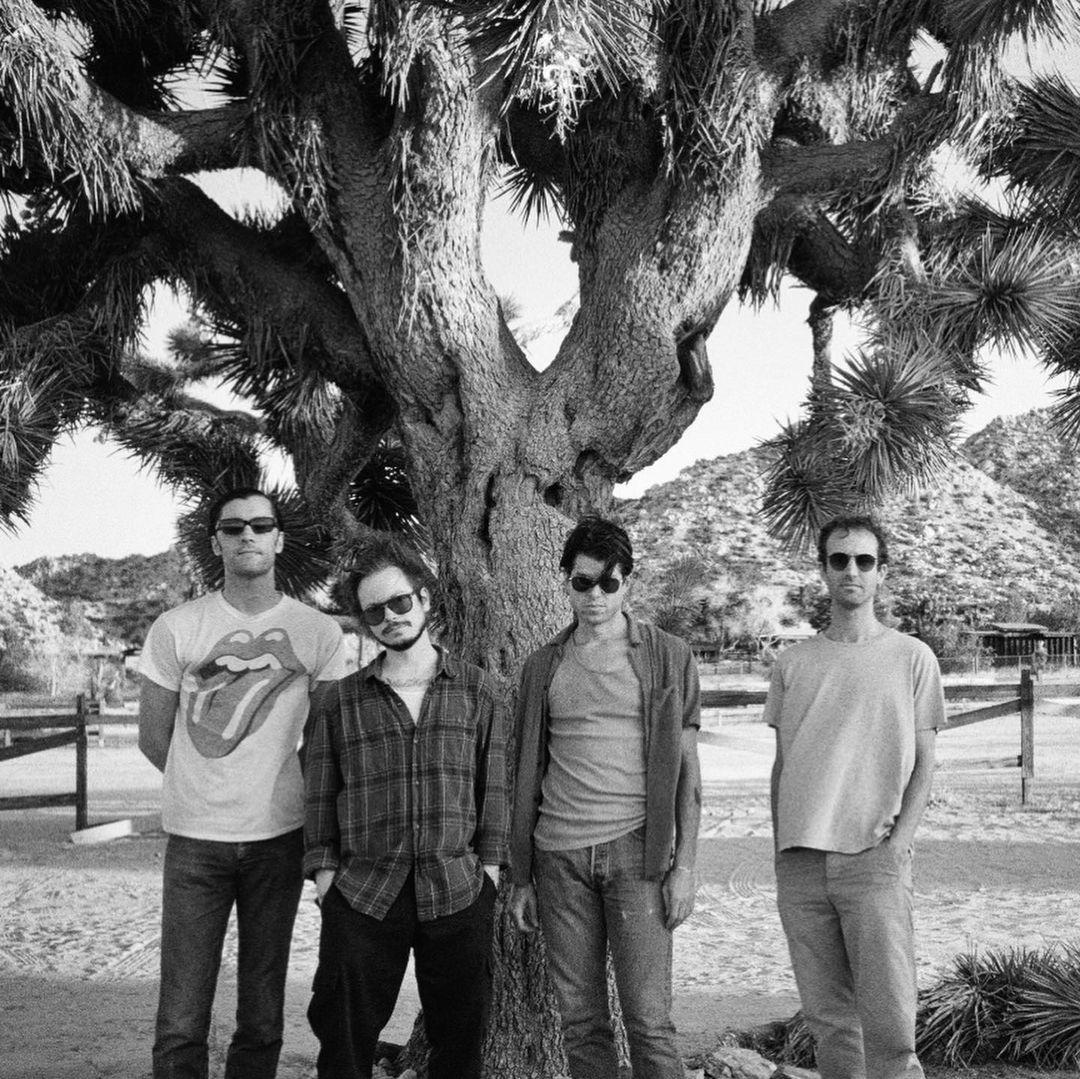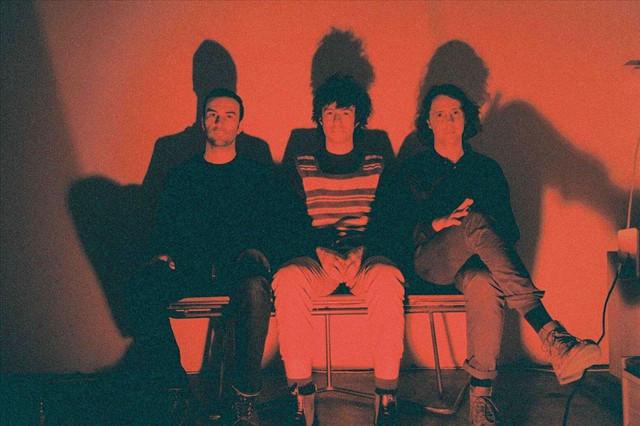
ORB

Rock
Hard Rock
Psychedelic Rock
 Viberate Rank: 186260
 Viberate Rank: 186260
 Monthly ListenersFollowers
 Subscribers
 Followers
 Followers
 FansTop Spotify Songs
| Track | 7-Day Streams | |
|---|---|---|
1 | 9.46K | |
2 | 4.17K | |
3 | 2.28K | |
4 | 1.53K | |
5 | 1.30K |
Top YouTube VideosMonthly ListenersFeatured in Playlists| Playlist | Followers | |
|---|---|---|
1 |  Local Noise Spotify | 60.81K |
2 |  heavy psych for spinning vinyl Camille 🥀 | 8.71K |
3 | Hippie chill vibes jordan_potts | 8.63K |
4 |  DOOM / SLUDGE / STONER cheznik | 7.77K |
5 |  The Sound of Neo-Psychedelic The Sounds of Spotify | 6.85K |
Audience| City | Monthly Listeners | |
|---|---|---|
1 | | 972 |
2 | | 567 |
3 |  | 381 |
4 | | 375 |
5 | | 345 |
See full performance history, audience data, playlist activity, rankings, comparisons, and more in Viberate music analytics. Start with a free trial, then continue with a paid plan.
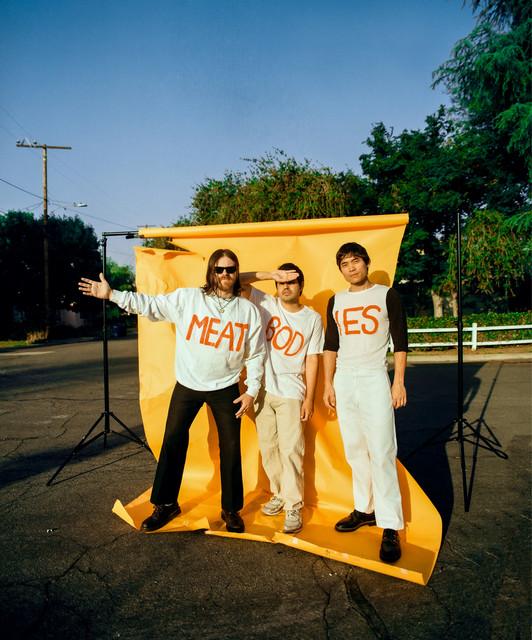
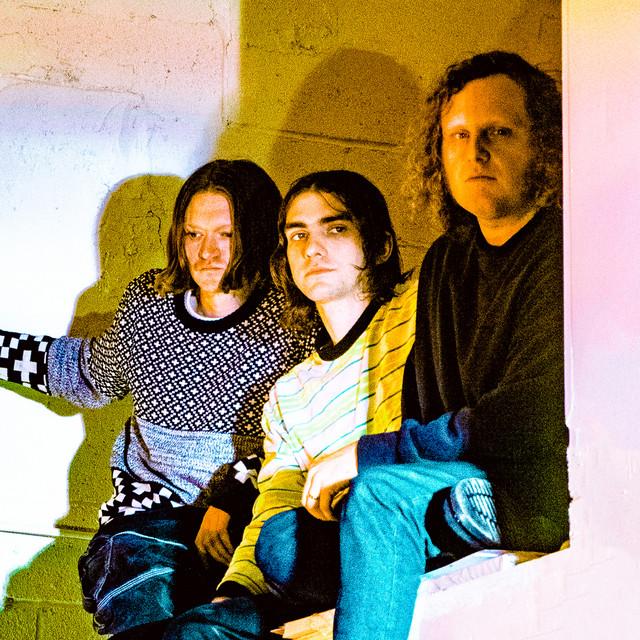
ORB’s Spotify BioPlaying dark, sonically massive guitar-based rock that's heavy without sounding excessively metallic, ORB hail from Geelong, Victoria, Australia. ORB's music is rooted in late 1960s/early 1970s hard rock, with heavily distorted lead guitar and a simple but punishing rhythm section providing the backdrop. Their debut album, 2016's Birth, earned them the respect of fans of 21st Century heavy rock, and the trio expanded on that LP's stylistic template with subsequent full length efforts like 2017's Naturality and 2024's Tailem Bend.
ORB was founded by three members of the Australian band the Frowning Clouds after that band broke up: guitarist and lead singer Zak Olsen, guitarist and bassist Daff Gravolin, and drummer Jamie Harmer. The three musicians lived not far from one another, and with some extra time on their hands, they began jamming regularly. Inspired by their youthful enthusiasm for hard rock and early metal bands such as Black Sabbath and Blue Öyster Cult, they started writing… tunes that drew tongue-in-cheek inspiration from doom rock and psychedelia as well as hard rock. The longer they crafted heavy jams, the more they came to appreciate the style, and the less they approached the music with a smirk. In January 2015, ORB released their debut recording, a five-song cassette titled Womb. Within a few months, the group had earned a solid reputation among Australian heavy rock fans, and they struck a record deal with Flightless Records, the label founded by King Gizzard & the Lizard Wizard. ORB's first vinyl release was a 7" single, "Migration" b/w "Migration 2," that appeared in November 2015. Their first full-length album, Birth, was released in July 2016 by Flightless in Australia and by Castle Face in the United States and Canada. The album received positive reviews in the rock press, and in October 2017 ORB delivered their second LP, Naturality.
The following year, ORB presented their third album, The Space Between, and the band supported the release with extensive live work in Europe and the United States, including tours opening for King Gizzard & the Lizard Wizard. (King Gizzard even slipped some of ORB's music into "A Brief History of Planet Earth," a nineteen minute jam that closed out their 2020 live LP Chunky Shrapnel.) The 2022 COVID-19 pandemic shut down the band's schedule of live work for a while, and Zak Olsen and Jamie Harmer both devoted time to their side projects (respectively Traffik Island and the Murlocs). The patience of ORB's fans was rewarded in July 2024, when the band issued their fourth full-length studio project, Tailem Bend. Named for a small community in Southern Australia, the music found the band moving further past the conventional boundaries of stoner rock, with pop and funk informing some of the songs, along with their traditional exercises in thunderous fuzz. ~ Mark Deming, Rovi
Viberate is a music analytics platform built for A&Rs, artist managers, labels, booking agents, marketers, and artists.
It helps music professionals track artist growth, analyze audience data, monitor playlist activity, compare artists, follow song performance, and identify opportunities across the music market.
Public artist pages provide a free preview of selected artist data. Paid plans provide access to deeper analytics, historical data, charts, comparisons, playlist tools, exports, alerts, reports, and additional professional features.
Yes. Public Viberate artist pages provide selected artist analytics and music data for free.
Viberate also offers a 7-day free trial of the full platform. A credit card is required to start the trial. The trial includes access to the complete product so users can test deeper artist analytics, historical views, playlist insights, comparisons, charts, exports, alerts, and reporting features before choosing a paid plan.
Viberate provides artist analytics across streaming, playlists, social media, video, radio airplay, songs, and audience markets.
Users can analyze Spotify performance, Spotify and Apple Music playlists, YouTube activity, TikTok and Instagram growth, radio spins, song performance, audience locations, demographics, rankings, and overall artist momentum.
Artist profiles also connect to music charts, similar artists, and comparison tools, helping users benchmark performance and evaluate artists in context.
Viberate updates key artist and track data daily.
For followed artists and tracks, selected data is refreshed multiple times per day. This helps teams monitor playlist changes, streaming movement, audience growth, releases, and campaign performance with more current data.
Update frequency can vary depending on the metric and data source.
Yes. Viberate lets users compare up to five artists side by side across streaming, social media, audience, and engagement metrics.
Users can compare fanbase growth, audience demographics, locations, Spotify performance, social metrics, and other artist data over selected time periods.
Artist comparison can be used for A&R scouting, benchmarking, booking decisions, campaign planning, and evaluating artists with similar audiences or market positions.