Orange Culture

Country
Americana/Alt Country
Folk Rock
 Viberate Rank: 394806
 Viberate Rank: 394806
 Monthly ListenersFollowers
 Subscribers
 Followers
 Followers
 FansTop Spotify Songs
| Track | 7-Day Streams | |
|---|---|---|
1 | 632 | |
2 | 102 | |
3 | 73 | |
4 | 66 | |
5 | 32 |
Top YouTube VideosMonthly ListenersFeatured in Playlists| Playlist | Followers | |
|---|---|---|
1 |  ~Indie Potpurri~ Shroopy | 3.13K |
2 | Weird indie/ jazz rock lilly.dxo | 1.80K |
3 |  the adults are talking vibes maeve | 1.02K |
Audience| City | Monthly Listeners | |
|---|---|---|
1 | | 52 |
2 | | 37 |
3 | | 35 |
4 | | 33 |
5 | | 31 |
See full performance history, audience data, playlist activity, rankings, comparisons, and more in Viberate music analytics. Start with a free trial, then continue with a paid plan.
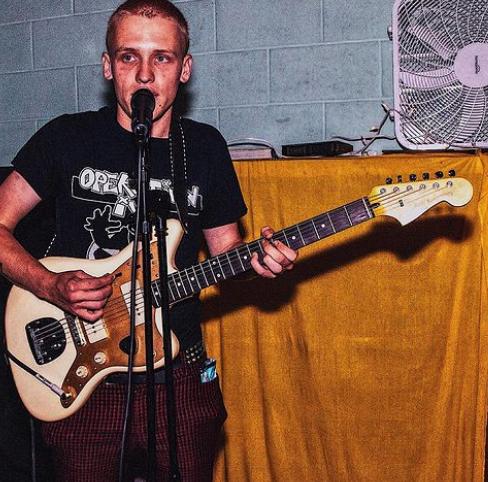
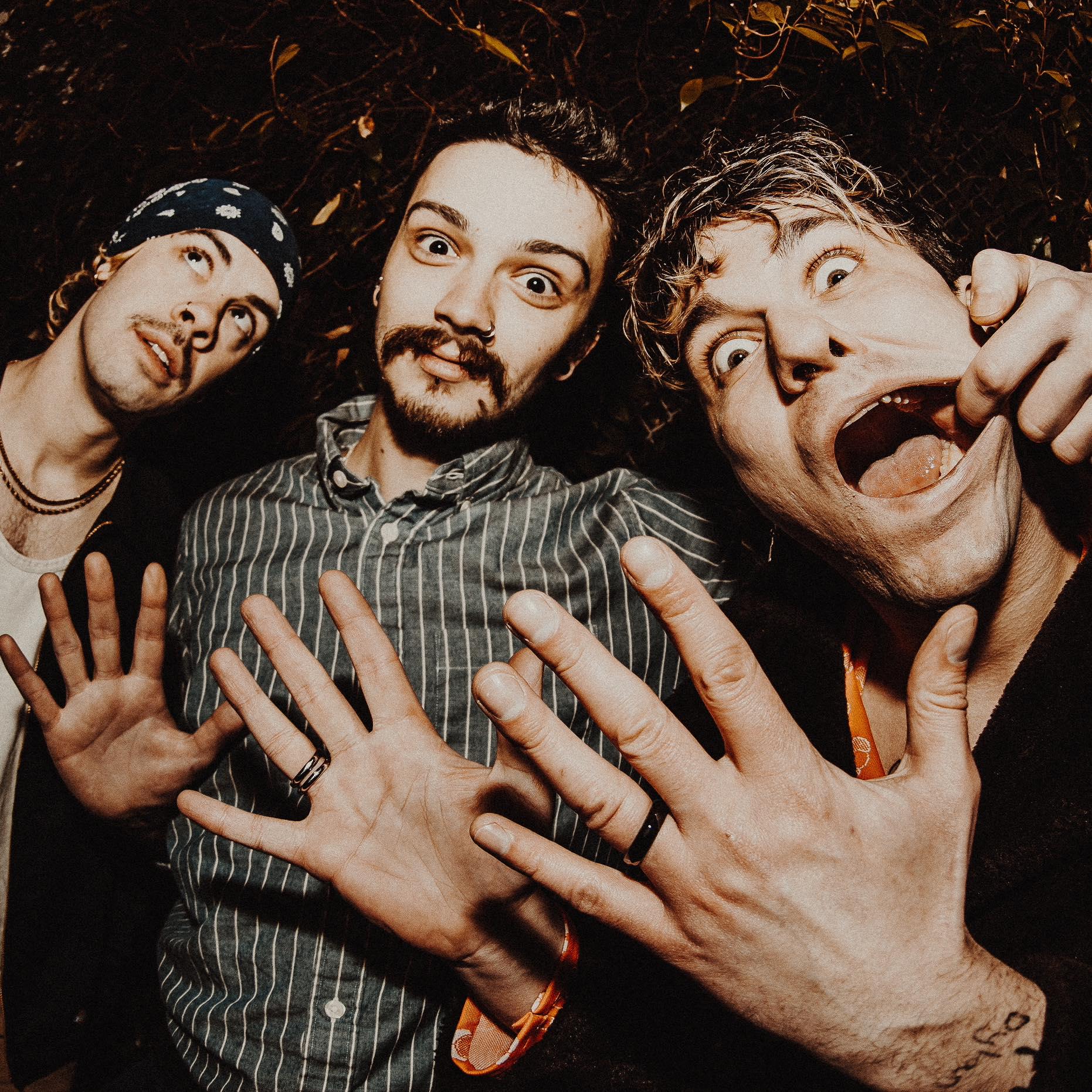
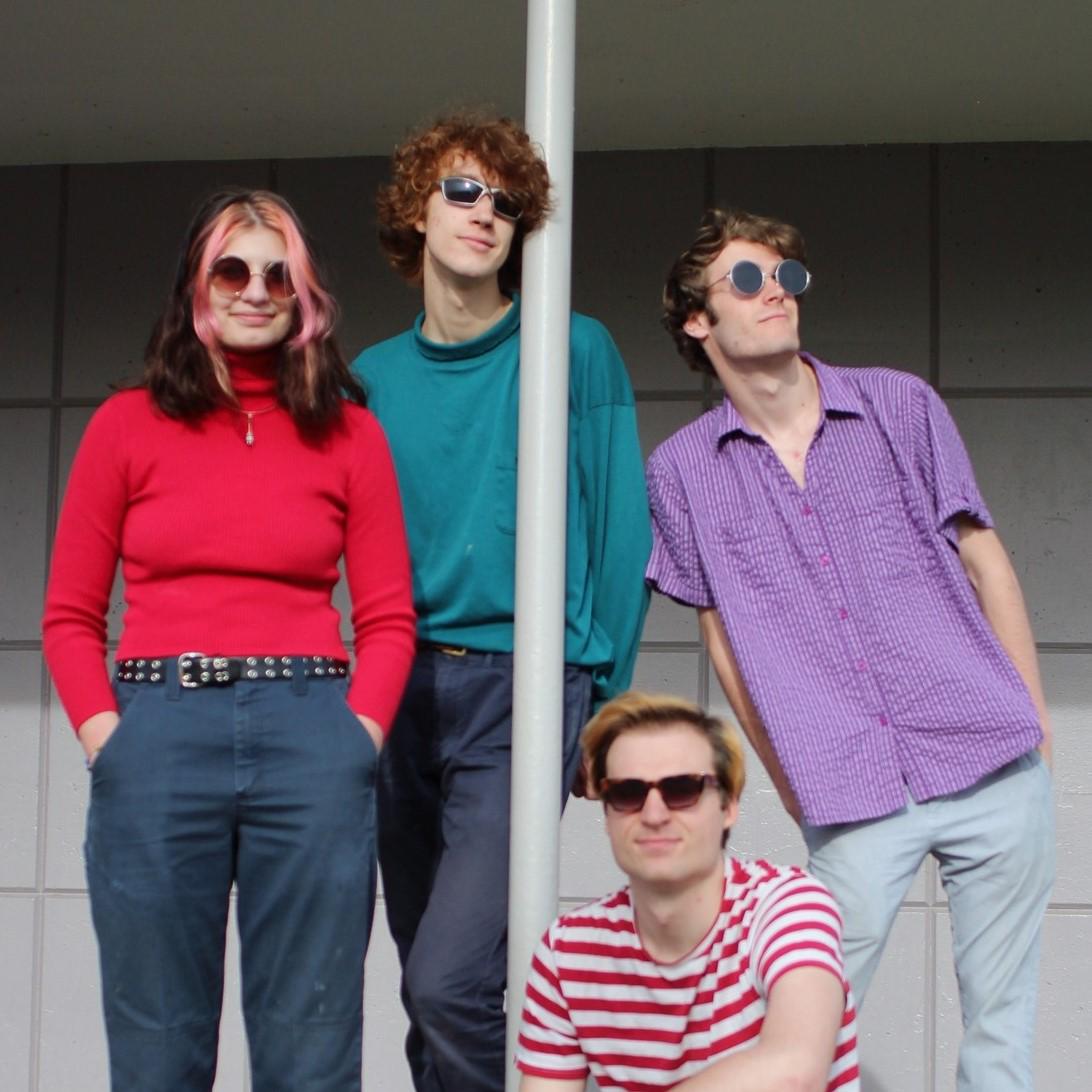
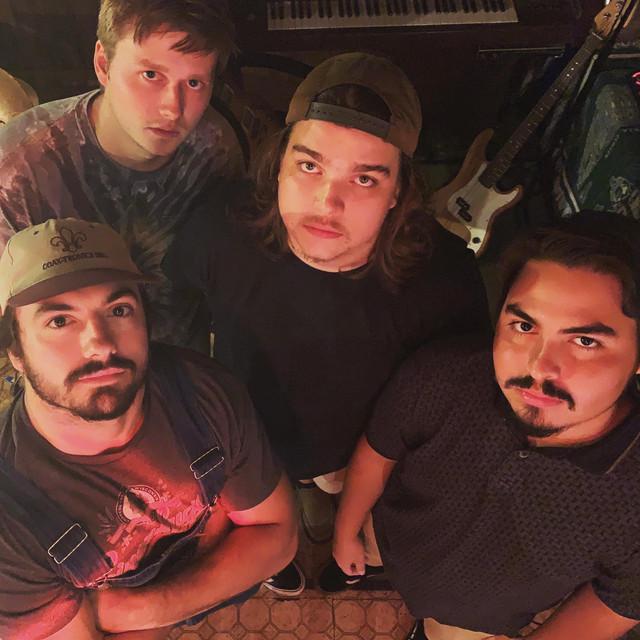
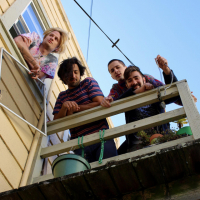
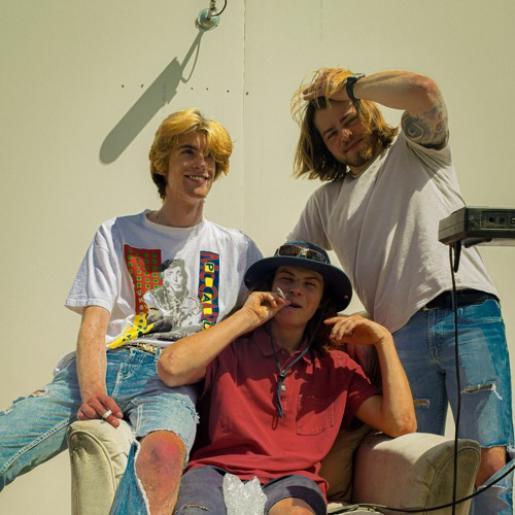
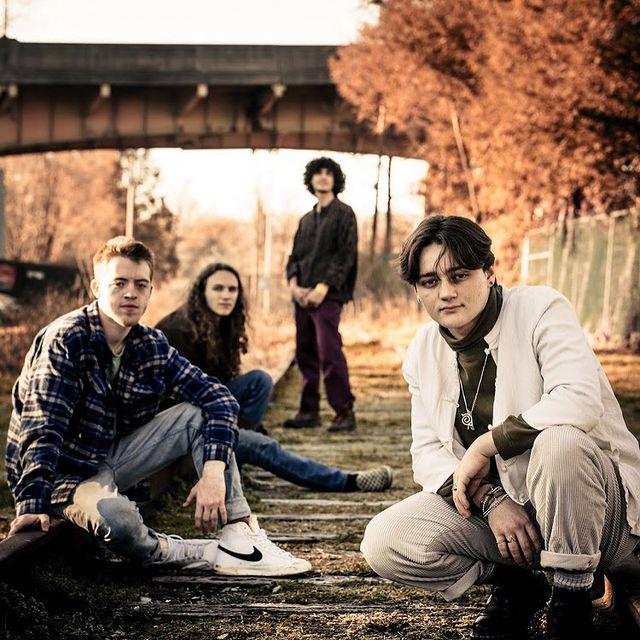
Orange Culture’s Spotify Bio“Orange Culture has corralled a raw, rebellious spirit since the quartet formed in 2019…” wrote Elise McCue in the Roanoke Times. That spirit was no more evident than on their first two full-length records, OCCO and Fever Of 1721, mostly recorded while the genre-defying band members were holed up in basements around the Roanoke Valley during the pandemic. Singer/songwriter Griffin Boucher and guitarist Charlie Lewis were teenagers when they started Orange Culture with some of their Salem High School friends and recorded the Retrograde Tapes EP. At their very first gig at Parkway Brewery in January of 2019, the band was invited to play Floydfest by the festival organizers who were in attendance (which didn’t happen until the summer of ‘21 due to Covid). In the meantime, the band went through lineup changes, while continuing to release popular singles (like Kratom Days, 10 Rings, and Order Up!) before they found their groove with the addition of Landon Carder (bass), and Reid Jepson (dru…ms). Orange Culture became a popular touring act in Virginia and North Carolina with their infectiously energetic live shows, which harnessed all their punk, psychedelic, and classic influences into a potent cocktail of DIY alternative rock, and Boucher’s lyrics captured today’s youth with equal doses of heartbreak and humor. In 2022, Boucher formed graybles. with multi-instrumentalist producer Evan Headley, and the band went on hiatus to focus on other projects.
Viberate is a music analytics platform built for A&Rs, artist managers, labels, booking agents, marketers, and artists.
It helps music professionals track artist growth, analyze audience data, monitor playlist activity, compare artists, follow song performance, and identify opportunities across the music market.
Public artist pages provide a free preview of selected artist data. Paid plans provide access to deeper analytics, historical data, charts, comparisons, playlist tools, exports, alerts, reports, and additional professional features.
Yes. Public Viberate artist pages provide selected artist analytics and music data for free.
Viberate also offers a 7-day free trial of the full platform. A credit card is required to start the trial. The trial includes access to the complete product so users can test deeper artist analytics, historical views, playlist insights, comparisons, charts, exports, alerts, and reporting features before choosing a paid plan.
Viberate provides artist analytics across streaming, playlists, social media, video, radio airplay, songs, and audience markets.
Users can analyze Spotify performance, Spotify and Apple Music playlists, YouTube activity, TikTok and Instagram growth, radio spins, song performance, audience locations, demographics, rankings, and overall artist momentum.
Artist profiles also connect to music charts, similar artists, and comparison tools, helping users benchmark performance and evaluate artists in context.
Viberate updates key artist and track data daily.
For followed artists and tracks, selected data is refreshed multiple times per day. This helps teams monitor playlist changes, streaming movement, audience growth, releases, and campaign performance with more current data.
Update frequency can vary depending on the metric and data source.
Yes. Viberate lets users compare up to five artists side by side across streaming, social media, audience, and engagement metrics.
Users can compare fanbase growth, audience demographics, locations, Spotify performance, social metrics, and other artist data over selected time periods.
Artist comparison can be used for A&R scouting, benchmarking, booking decisions, campaign planning, and evaluating artists with similar audiences or market positions.