Opera IX

Metal
Black Metal
Gothic Metal
 Viberate Rank: 157663
 Viberate Rank: 157663
 Monthly ListenersFollowers
 Subscribers
 Followers
 Followers
 FansTop Spotify Songs
| Track | 7-Day Streams | |
|---|---|---|
1 | 1.31K | |
2 | 1.17K | |
3 | 1.02K | |
4 | 953 | |
5 | 924 |
Top YouTube VideosMonthly ListenersFeatured in Playlists| Playlist | Followers | |
|---|---|---|
1 |  gothic metal Paula | 41.29K |
2 | Metal Covers of non-metal songs Jorge García | 30.13K |
3 |  Parabelritter's Favoriten Silence Metal Massacre | 11.29K |
4 |  Exoskeleton: Great Metal Covers of Non-Metal Songs glenn mcdonald | 10.94K |
5 |  SYMPHONIC BLACK METAL ♱ Sab ⚔️ | 10.16K |
Audience| City | Monthly Listeners | |
|---|---|---|
1 |  | 651 |
2 |  | 412 |
3 |  | 317 |
4 |  | 291 |
5 |  | 248 |
See full performance history, audience data, playlist activity, rankings, comparisons, and more in Viberate music analytics. Start with a free trial, then continue with a paid plan.
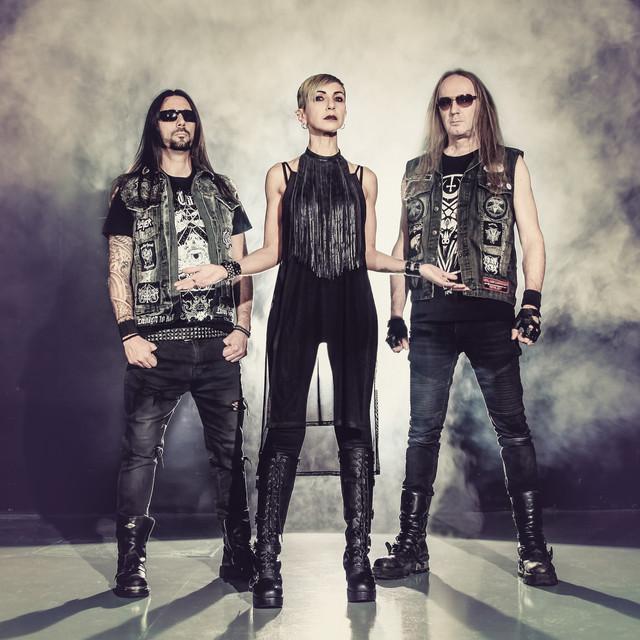
Opera IX’s Spotify BioOpera IX: A Legacy of Pagan Darkness
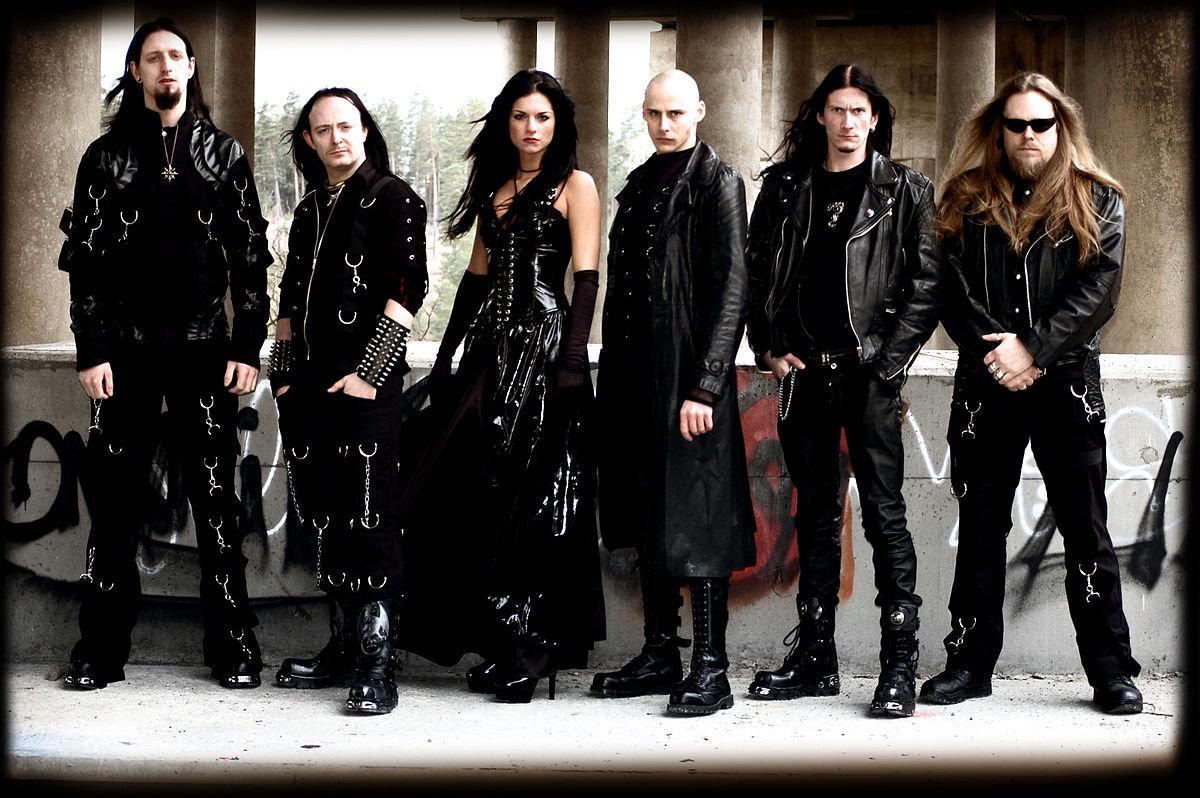
Founded in 1988 by guitarist Ossian, Opera IX stands as a cornerstone of the Italian occult metal scene. The band’s journey is defined by four distinct eras of sonic evolution and mystical exploration.
Era I: The Foundation (1990–2001)
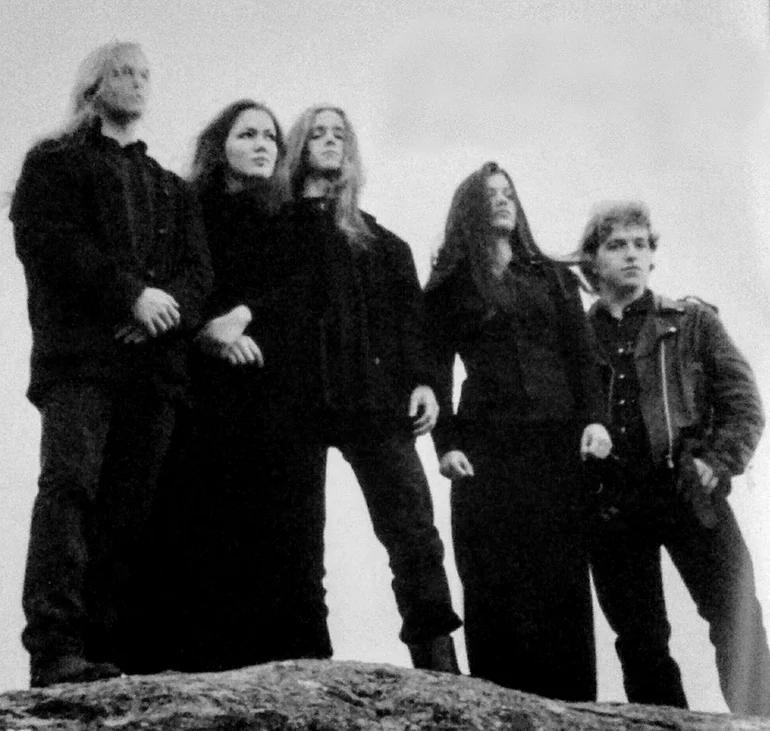
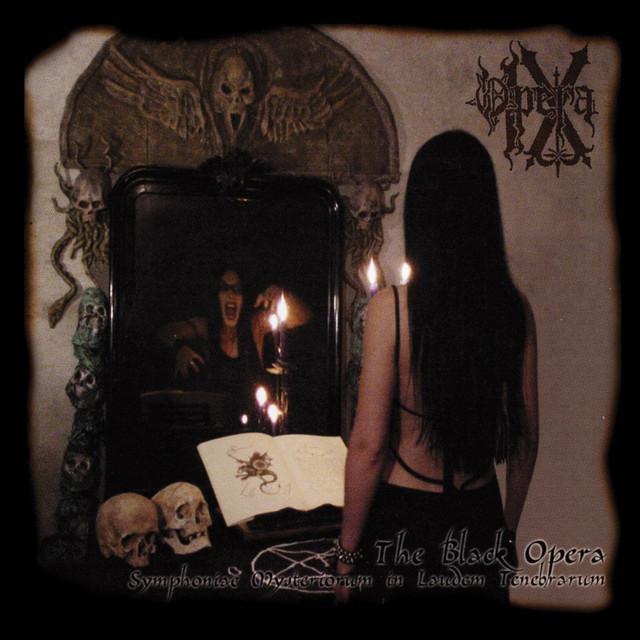
The "classic" lineup featuring Cadaveria (vocals) and Flegias (drums) established the band's reputation with seminal releases like The Call of the Wood (1995) and Sacro Culto (1998). This period peaked in 2000 with the masterpiece The Black Opera, which sold over 18,000 copies and led to international tours. This era concluded in 2001 when Cadaveria and Flegias departed to pursue new paths.
Era II & III: Occult Evolutions (2002–2015)
The band transitioned to male vocals with Maleventum (2002), exploring more aggressive, pagan themes. Following the complex Anphisbena (2004) and a brief hiatus, they returned with Strix (2012). By 2015’s Back To Sepulcro, Ossian returned to the band’s roots, reinstating a female vocal… presence to lead their dark incantations.
Era IV: The Gospel & The Future (2018–Present)
The arrival of Dipsas on vocals in 2018 solidified the band’s "Gospel of the Witches" phase, marked by the release of The Gospel. After the 2022 collection Samonios, the current lineup—featuring GG, L.P. Vault, and Velum—is now crafting the next chapter, In Veneficium, scheduled for 2026.
Viberate is a music analytics platform built for A&Rs, artist managers, labels, booking agents, marketers, and artists.
It helps music professionals track artist growth, analyze audience data, monitor playlist activity, compare artists, follow song performance, and identify opportunities across the music market.
Public artist pages provide a free preview of selected artist data. Paid plans provide access to deeper analytics, historical data, charts, comparisons, playlist tools, exports, alerts, reports, and additional professional features.
Yes. Public Viberate artist pages provide selected artist analytics and music data for free.
Viberate also offers a 7-day free trial of the full platform. A credit card is required to start the trial. The trial includes access to the complete product so users can test deeper artist analytics, historical views, playlist insights, comparisons, charts, exports, alerts, and reporting features before choosing a paid plan.
Viberate provides artist analytics across streaming, playlists, social media, video, radio airplay, songs, and audience markets.
Users can analyze Spotify performance, Spotify and Apple Music playlists, YouTube activity, TikTok and Instagram growth, radio spins, song performance, audience locations, demographics, rankings, and overall artist momentum.
Artist profiles also connect to music charts, similar artists, and comparison tools, helping users benchmark performance and evaluate artists in context.
Viberate updates key artist and track data daily.
For followed artists and tracks, selected data is refreshed multiple times per day. This helps teams monitor playlist changes, streaming movement, audience growth, releases, and campaign performance with more current data.
Update frequency can vary depending on the metric and data source.
Yes. Viberate lets users compare up to five artists side by side across streaming, social media, audience, and engagement metrics.
Users can compare fanbase growth, audience demographics, locations, Spotify performance, social metrics, and other artist data over selected time periods.
Artist comparison can be used for A&R scouting, benchmarking, booking decisions, campaign planning, and evaluating artists with similar audiences or market positions.