Omnispawn

Metal
Death Metal
 Viberate Rank: 715370
 Viberate Rank: 715370
 Monthly ListenersFollowers
 Subscribers
 Followers
 Followers
 FansTop Spotify Songs
| Track | 7-Day Streams | |
|---|---|---|
1 | 5 |
Top YouTube VideosMonthly ListenersFeatured in Playlists| Playlist | Followers | |
|---|---|---|
1 | Stanislav Gusakov | 6.03K |
Audience| City | Monthly Listeners | |
|---|---|---|
1 | | 3 |
See full performance history, audience data, playlist activity, rankings, comparisons, and more in Viberate music analytics. Start with a free trial, then continue with a paid plan.
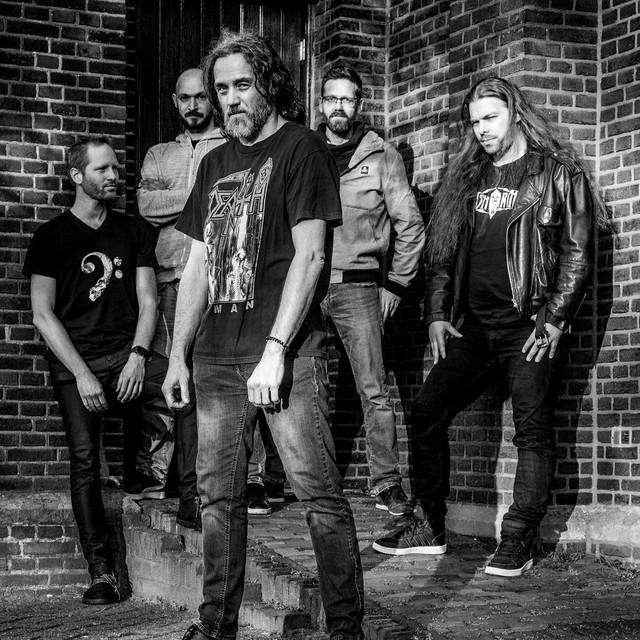
Omnispawn’s Spotify BioWhat was to become Omnispawn started back in 2005 as a two-man band called Darkest Days. The project were formed by the original members Rickard Wahlberg and Markus Harju. The passion for metal music brought them together and the search for their own sound began instantly. Daniel Gadd joined the project in 2006 and the band name was changed to Flatline. Not only the name changed, their sound took a whole different direction during this time. Major changes was made and the band became a full lineup a year later, fall of 2007, when Charlie Persson and John Andersson filled in with vocals and core shattering bass lines and eventually the project turned into what it is today - Omnispawn.
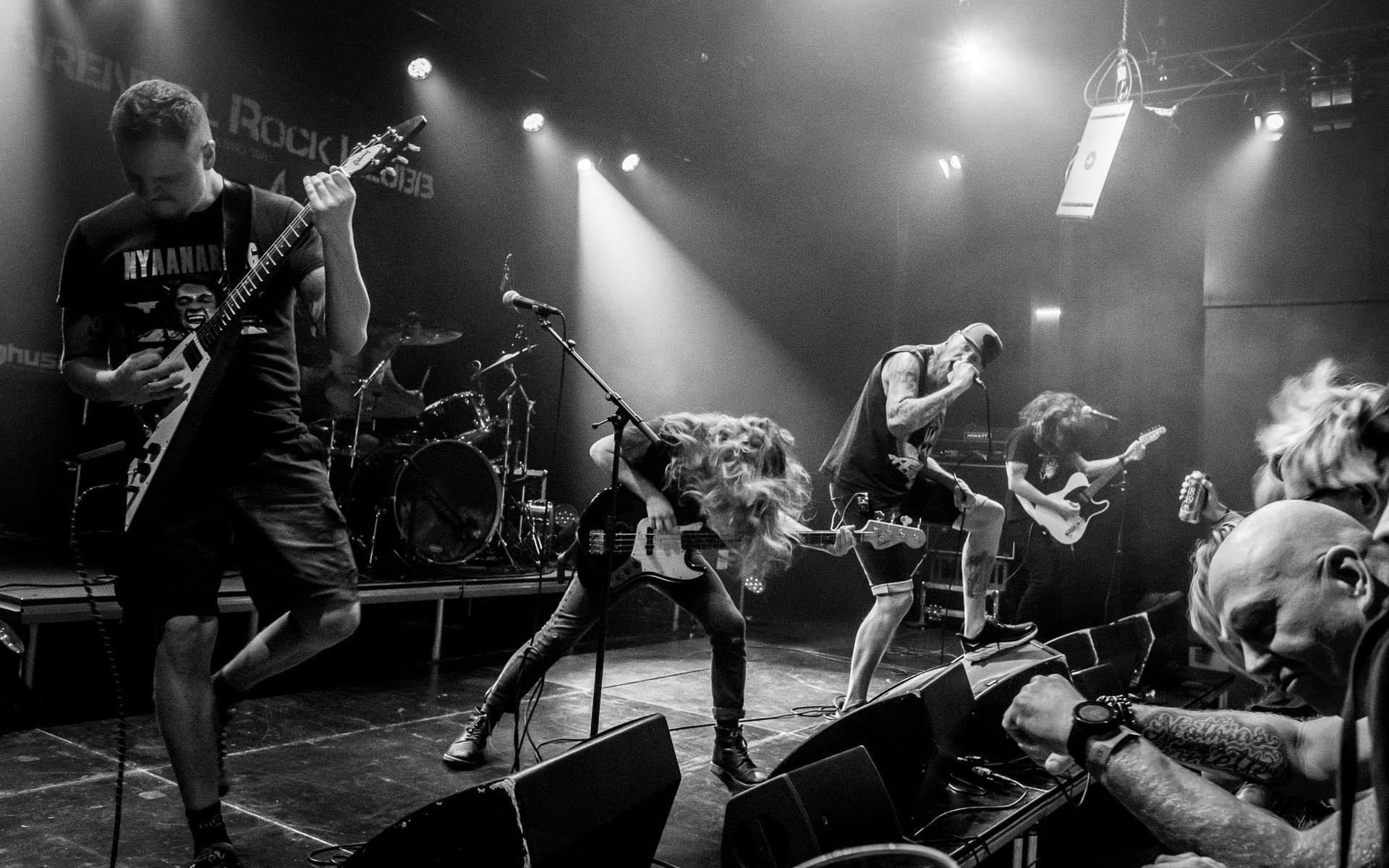
Omnispawn began doing live shows and recorded their first studio album, Darkness Within, 2009 and released it on the same day they participated as a part of the lineup at Sweden Rock Festival. The band continued doing live shows, received international attention, were picked up by several magazines… worldwide and became a part of The Heaviest Encyclopedia of Swedish Hard Rock & Heavy Metal.
Entered the studio again in 2010 and the awaited second album was about to come. Unfortunately everything fell apart, the production never left the studio and became the band's meltdown. Later the band parted ways with John Andersson and eventually split up, focusing on individual paths.
Omnispawn announced on 24th February 2017, that they will be back again. Now to stay!
Viberate is a music analytics platform built for A&Rs, artist managers, labels, booking agents, marketers, and artists.
It helps music professionals track artist growth, analyze audience data, monitor playlist activity, compare artists, follow song performance, and identify opportunities across the music market.
Public artist pages provide a free preview of selected artist data. Paid plans provide access to deeper analytics, historical data, charts, comparisons, playlist tools, exports, alerts, reports, and additional professional features.
Yes. Public Viberate artist pages provide selected artist analytics and music data for free.
Viberate also offers a 7-day free trial of the full platform. A credit card is required to start the trial. The trial includes access to the complete product so users can test deeper artist analytics, historical views, playlist insights, comparisons, charts, exports, alerts, and reporting features before choosing a paid plan.
Viberate provides artist analytics across streaming, playlists, social media, video, radio airplay, songs, and audience markets.
Users can analyze Spotify performance, Spotify and Apple Music playlists, YouTube activity, TikTok and Instagram growth, radio spins, song performance, audience locations, demographics, rankings, and overall artist momentum.
Artist profiles also connect to music charts, similar artists, and comparison tools, helping users benchmark performance and evaluate artists in context.
Viberate updates key artist and track data daily.
For followed artists and tracks, selected data is refreshed multiple times per day. This helps teams monitor playlist changes, streaming movement, audience growth, releases, and campaign performance with more current data.
Update frequency can vary depending on the metric and data source.
Yes. Viberate lets users compare up to five artists side by side across streaming, social media, audience, and engagement metrics.
Users can compare fanbase growth, audience demographics, locations, Spotify performance, social metrics, and other artist data over selected time periods.
Artist comparison can be used for A&R scouting, benchmarking, booking decisions, campaign planning, and evaluating artists with similar audiences or market positions.