Omni Trio

Electronic
Drum & Bass
 Viberate Rank: 156467
 Viberate Rank: 156467
 Monthly ListenersFollowers
 Subscribers
 Followers
 Followers
 FansTop Spotify Songs
| Track | 7-Day Streams | |
|---|---|---|
1 | 3.67K | |
2 | 2.98K | |
3 | 2.51K | |
4 | 2.21K | |
5 | 2.10K |
Top YouTube VideosMonthly ListenersFeatured in Playlists| Playlist | Followers | |
|---|---|---|
1 |  Midnight Club 3 DUB Edition REMIX Cup O’ Coffee | 98.93K |
2 | 90s JUNGLE CLASSICS Kurt | 92.63K |
3 |  Jungle is Massive 💫 Em💫 | 61.82K |
4 |  Drum And Bass Classics Drum&BassArena | 48.49K |
5 |  Drum & Bass Anthems Spotify | 43.51K |
Audience| City | Monthly Listeners | |
|---|---|---|
1 | | 3.31K |
2 | | 928 |
3 |  | 778 |
4 |  | 751 |
5 | | 634 |
See full performance history, audience data, playlist activity, rankings, comparisons, and more in Viberate music analytics. Start with a free trial, then continue with a paid plan.
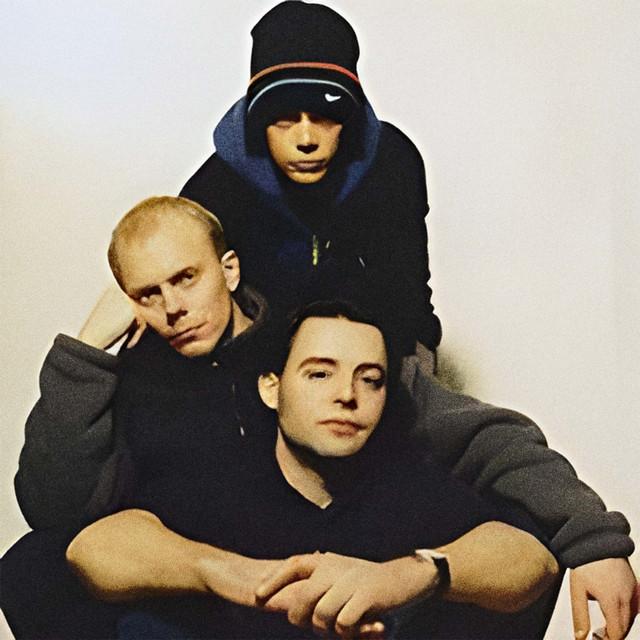
Omni Trio’s Spotify BioActually the single force of one Rob Haigh, Omni Trio's sunny brand of intricate, orchestrated drum'n'bass has been growing in acclaim since the onset of "ambient" or "intelligent" jungle in the mid-'90s brought names such as L.T.J Bukem, Spring Heel Jack, and TPower to the fore. By his thirties, Haigh already had a decade on most of those names, a fact made evident in the often more eclectic influence behind his tunes, from Carl Craig and Mantronix to Miles Davis and Can. An acolyte of London's mid-'80s experimental industrial/avant-garde scene, Haigh's first Omni Trio releases -- a series of 12"s issued in distinctive, color-coded sleeves -- started to appear in the early '90s. Following on the heels of early hardcore and darkside techno, Haigh's tunes were among the first composed outside of jungle's immediate dancefloor loop, and were early examples of the music's potential to draw on a wide range of sources (ambient, house, jazz, soul) for influence. His first full-length album,… The Deepest Cut: Vol. 1, was released on Moving Shadow in 1995 and combined many of those early 12" tracks -- "Mystic Stepper," "Renegade Snares" -- with some stunning production and remix work by Foul Play (on "Snares"), among others. His proper debut, Haunted Science, was released by Moving Shadow in 1996; Skeleton Keys followed in 1997. In addition to his increasingly successful career as a recording artist and remixer, Haigh also owned and operated a record shop in Hertford. ~ Sean Cooper, Rovi
Viberate is a music analytics platform built for A&Rs, artist managers, labels, booking agents, marketers, and artists.
It helps music professionals track artist growth, analyze audience data, monitor playlist activity, compare artists, follow song performance, and identify opportunities across the music market.
Public artist pages provide a free preview of selected artist data. Paid plans provide access to deeper analytics, historical data, charts, comparisons, playlist tools, exports, alerts, reports, and additional professional features.
Yes. Public Viberate artist pages provide selected artist analytics and music data for free.
Viberate also offers a 7-day free trial of the full platform. A credit card is required to start the trial. The trial includes access to the complete product so users can test deeper artist analytics, historical views, playlist insights, comparisons, charts, exports, alerts, and reporting features before choosing a paid plan.
Viberate provides artist analytics across streaming, playlists, social media, video, radio airplay, songs, and audience markets.
Users can analyze Spotify performance, Spotify and Apple Music playlists, YouTube activity, TikTok and Instagram growth, radio spins, song performance, audience locations, demographics, rankings, and overall artist momentum.
Artist profiles also connect to music charts, similar artists, and comparison tools, helping users benchmark performance and evaluate artists in context.
Viberate updates key artist and track data daily.
For followed artists and tracks, selected data is refreshed multiple times per day. This helps teams monitor playlist changes, streaming movement, audience growth, releases, and campaign performance with more current data.
Update frequency can vary depending on the metric and data source.
Yes. Viberate lets users compare up to five artists side by side across streaming, social media, audience, and engagement metrics.
Users can compare fanbase growth, audience demographics, locations, Spotify performance, social metrics, and other artist data over selected time periods.
Artist comparison can be used for A&R scouting, benchmarking, booking decisions, campaign planning, and evaluating artists with similar audiences or market positions.