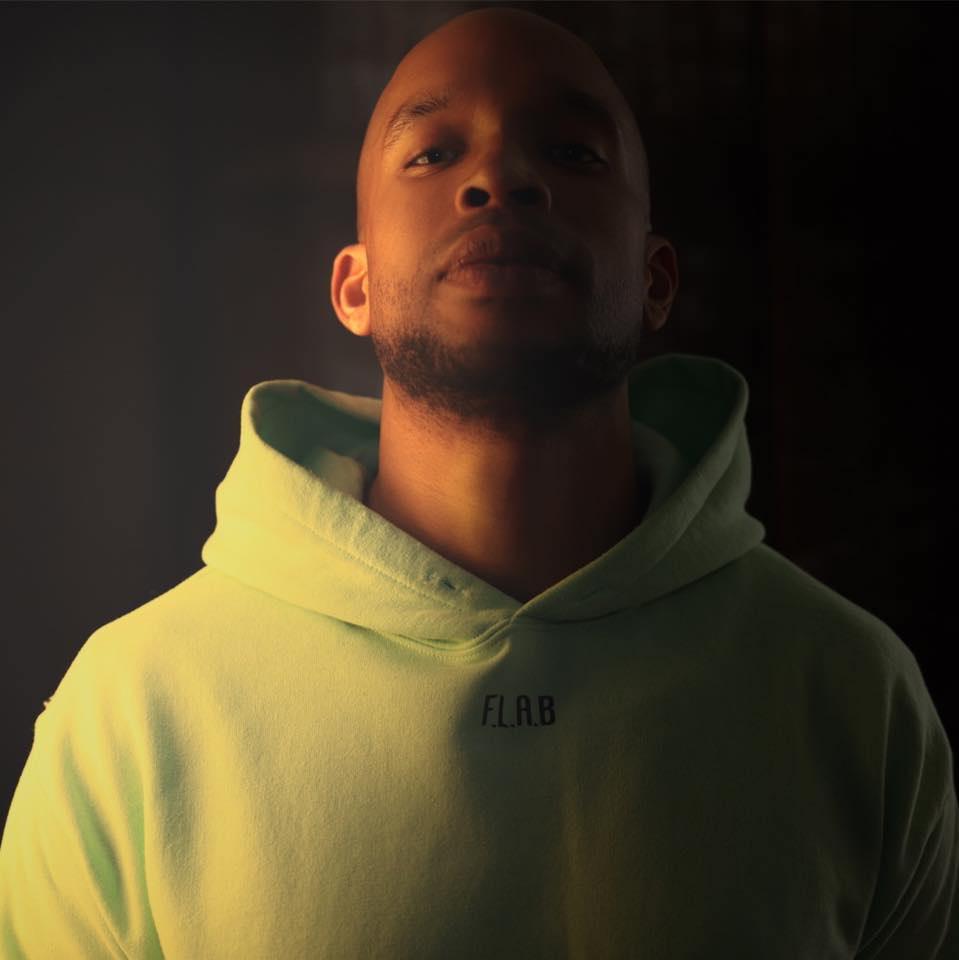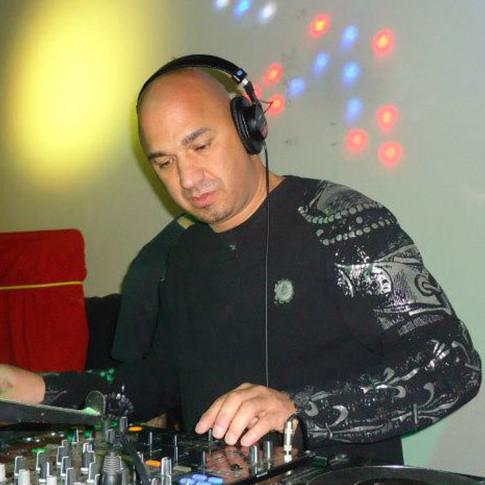
Omar Santana

Electronic
Dubstep
Hardstyle/Hardcore
 Viberate Rank: 155467
 Viberate Rank: 155467
 Monthly ListenersFollowers
 Subscribers
 Followers
 Followers
 FansTop Spotify Songs
| Track | 7-Day Streams | |
|---|---|---|
1 | 8.25K | |
2 | 5.43K | |
3 | 1.95K | |
4 | 1.07K | |
5 | 939 |
Top YouTube VideosMonthly ListenersFeatured in Playlists| Playlist | Followers | |
|---|---|---|
1 |  Thunderdome Classics Adrian | 138.38K |
2 |  GABBER HARDCORE OLDSCHOOL 90s 00s Olek Sokół | 58.56K |
3 | Freestyle Greatest Hits 💯! The Interpreter | 56.89K |
4 |  Thunderdome Platen pim_vl | 36.34K |
5 |  90’s Gabber Classics Maarten Baute | 32.60K |
Audience| City | Monthly Listeners | |
|---|---|---|
1 |  | 1.13K |
2 | | 895 |
3 | | 610 |
4 | | 558 |
5 | | 534 |
See full performance history, audience data, playlist activity, rankings, comparisons, and more in Viberate music analytics. Start with a free trial, then continue with a paid plan.
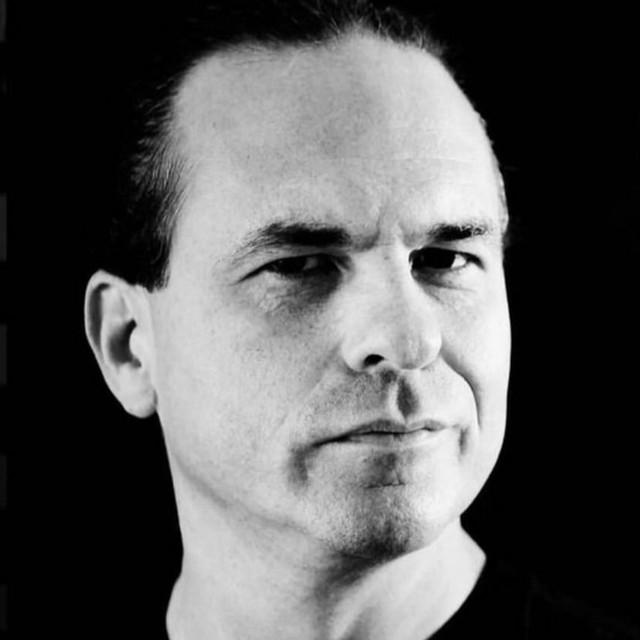
Omar Santana’s Spotify BioA breakbeat producer since the days of Arthur Baker and Jellybean, Omar Santana has been the leader in a distinctly American brand of psychedelic breakbeat acid-techno under dozens of aliases including Hard Hop Heathen, Liquid Metal, Dark Side of the Shroom, New York Terrorists, Car Jacker, Tales from the Hardside and Wizard of Oh. Santana's early career was spent working on mix production and editing for acts ranging from Debbie Harry to Dynamix II as well as work at Cutting Records, the seminal freestyle label that also featured the talents of Todd Terry and Tony "Freestyle" Butler.
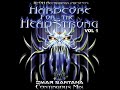
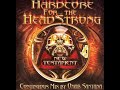
By the turn of the '90s, Santana had crossed over to the emerging acid house and rave crowd with hits like "Mr. Dynomite" as Liquid Metal, "Slamma Jamma" as New York Terrorists and "Boy Is Banging" as DJ Oh Oh Omar Santana. His trademark "hardhop" style of acid breakbeat techno became common currency on America's West Coast by the late '90s, and Santana helmed several mix albums for Moonshine Music… including Tricked Out, Hardhop Tricked Out and Battle for Planet of the Breaks. Santana has also compiled hardcore/gabba compilations for Moonshine, including 1998's Hardcorps. He frequently records with fellow breakbeat master Freddy Fresh (as Imperial Stormtroopers). Two years later, he released Hardcore for the Headstrong. ~ John Bush, Rovi
Viberate is a music analytics platform built for A&Rs, artist managers, labels, booking agents, marketers, and artists.
It helps music professionals track artist growth, analyze audience data, monitor playlist activity, compare artists, follow song performance, and identify opportunities across the music market.
Public artist pages provide a free preview of selected artist data. Paid plans provide access to deeper analytics, historical data, charts, comparisons, playlist tools, exports, alerts, reports, and additional professional features.
Yes. Public Viberate artist pages provide selected artist analytics and music data for free.
Viberate also offers a 7-day free trial of the full platform. A credit card is required to start the trial. The trial includes access to the complete product so users can test deeper artist analytics, historical views, playlist insights, comparisons, charts, exports, alerts, and reporting features before choosing a paid plan.
Viberate provides artist analytics across streaming, playlists, social media, video, radio airplay, songs, and audience markets.
Users can analyze Spotify performance, Spotify and Apple Music playlists, YouTube activity, TikTok and Instagram growth, radio spins, song performance, audience locations, demographics, rankings, and overall artist momentum.
Artist profiles also connect to music charts, similar artists, and comparison tools, helping users benchmark performance and evaluate artists in context.
Viberate updates key artist and track data daily.
For followed artists and tracks, selected data is refreshed multiple times per day. This helps teams monitor playlist changes, streaming movement, audience growth, releases, and campaign performance with more current data.
Update frequency can vary depending on the metric and data source.
Yes. Viberate lets users compare up to five artists side by side across streaming, social media, audience, and engagement metrics.
Users can compare fanbase growth, audience demographics, locations, Spotify performance, social metrics, and other artist data over selected time periods.
Artist comparison can be used for A&R scouting, benchmarking, booking decisions, campaign planning, and evaluating artists with similar audiences or market positions.