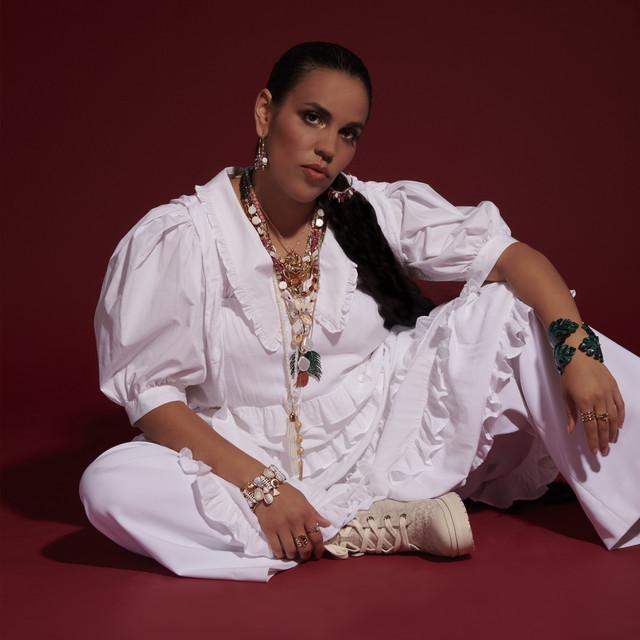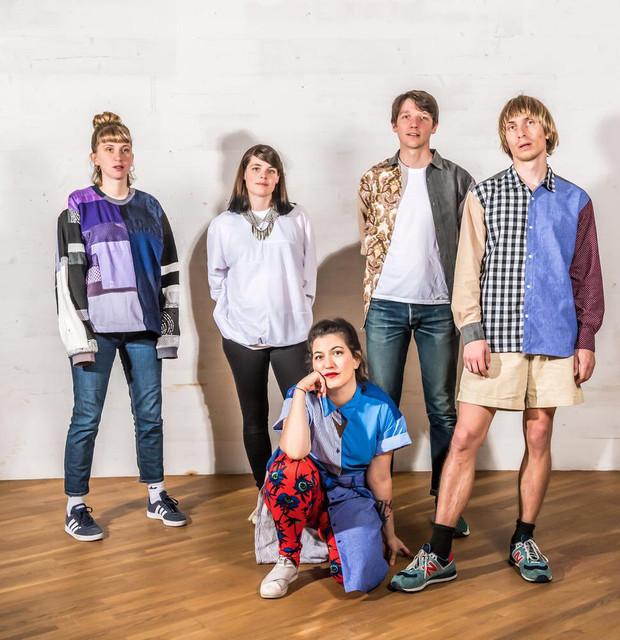
Olga Bell

Electronic
Downtempo
Other Electronic Music
 Viberate Rank: 310700
 Viberate Rank: 310700
 Monthly ListenersFollowers
 Subscribers
 Followers
 Followers
 FansTop Spotify Songs
| Track | 7-Day Streams | |
|---|---|---|
1 | 152 | |
2 | 124 | |
3 | 66 | |
4 | 32 | |
5 | 29 |
Top YouTube VideosMonthly ListenersFeatured in Playlists| Playlist | Followers | |
|---|---|---|
1 |  Broad City Soundtrack Comedy Central | 26.70K |
2 |  Pitchfork's 100 Best Songs of 2016 Pitchfork | 13.99K |
3 |  NPR Music's Songs Of 2016 NPR Music | 10.85K |
4 |  The Top 100 Songs Of 2016 NPR Music | 10.44K |
5 |  omori deeperwell | 8.37K |
Audience| City | Monthly Listeners | |
|---|---|---|
1 |  | 30 |
2 | | 19 |
3 | | 17 |
4 | | 16 |
5 | | 15 |
See full performance history, audience data, playlist activity, rankings, comparisons, and more in Viberate music analytics. Start with a free trial, then continue with a paid plan.
Olga Bell’s Spotify BioElectronic composer, producer, and vocalist Olga Bell was born in Moscow and raised in Alaska before moving to New York City in her early twenties to pursue a career in performance and songwriting. After graduating from the New England Conservatory, Bell landed in Brooklyn, where she began playing shows and releasing music under her last name. The singer's muscular voice and bubbly electronic indie tunes first showed up in the form of a self-titled, self-released EP in 2007, and she would go on from there to release her debut album, Diamonite, in 2011, as well as various tracks and remixes online. Over her trek through independent music circles she would work with artists as diverse as Das Racist and Philip Glass. She eventually joined with British musician Tom Vek to form the dance-oriented group Nothankyou, and in 2012 joined indie stars Dirty Projectors as keyboardist and vocalist. In 2014 Bell released her second solo record, Krai, an album sung entirely in Russian and exploring… themes of Russian heritage and lesser-known territories of her home country. The Incitation EP followed a year later, and 2016 brought her third LP, the alternative dance-driven Tempo. ~ Fred Thomas, Rovi
Viberate is a music analytics platform built for A&Rs, artist managers, labels, booking agents, marketers, and artists.
It helps music professionals track artist growth, analyze audience data, monitor playlist activity, compare artists, follow song performance, and identify opportunities across the music market.
Public artist pages provide a free preview of selected artist data. Paid plans provide access to deeper analytics, historical data, charts, comparisons, playlist tools, exports, alerts, reports, and additional professional features.
Yes. Public Viberate artist pages provide selected artist analytics and music data for free.
Viberate also offers a 7-day free trial of the full platform. A credit card is required to start the trial. The trial includes access to the complete product so users can test deeper artist analytics, historical views, playlist insights, comparisons, charts, exports, alerts, and reporting features before choosing a paid plan.
Viberate provides artist analytics across streaming, playlists, social media, video, radio airplay, songs, and audience markets.
Users can analyze Spotify performance, Spotify and Apple Music playlists, YouTube activity, TikTok and Instagram growth, radio spins, song performance, audience locations, demographics, rankings, and overall artist momentum.
Artist profiles also connect to music charts, similar artists, and comparison tools, helping users benchmark performance and evaluate artists in context.
Viberate updates key artist and track data daily.
For followed artists and tracks, selected data is refreshed multiple times per day. This helps teams monitor playlist changes, streaming movement, audience growth, releases, and campaign performance with more current data.
Update frequency can vary depending on the metric and data source.
Yes. Viberate lets users compare up to five artists side by side across streaming, social media, audience, and engagement metrics.
Users can compare fanbase growth, audience demographics, locations, Spotify performance, social metrics, and other artist data over selected time periods.
Artist comparison can be used for A&R scouting, benchmarking, booking decisions, campaign planning, and evaluating artists with similar audiences or market positions.