Ohm Square

Electronic
Dance
Downtempo
 Viberate Rank: 224310
 Viberate Rank: 224310
 Monthly ListenersFollowers
 Subscribers
 Followers
 Followers
 FansTop Spotify Songs
| Track | 7-Day Streams | |
|---|---|---|
1 | 625 | |
2 | 271 | |
3 | 165 | |
4 | 160 | |
5 | 157 |
Top YouTube VideosMonthly ListenersFeatured in Playlists| Playlist | Followers | |
|---|---|---|
1 |  Samotáři / Loners (2000) Soundtrack Michal Horák | 4.40K |
2 |  Basic Beats jatmoos | 3.94K |
3 |  Endless Mixtape for Open Minds Underrated Albums | 3.31K |
4 | MUSICA AÑOS 70" 80" 90" (CUENTAME) 118852034 | 2.04K |
5 |  Samotáři soundtrack (etc.) Martin Migota | 1.55K |
Audience| City | Monthly Listeners | |
|---|---|---|
1 | | 1.25K |
2 | | 127 |
3 |  | 107 |
4 | | 49 |
5 | | 43 |
See full performance history, audience data, playlist activity, rankings, comparisons, and more in Viberate music analytics. Start with a free trial, then continue with a paid plan.
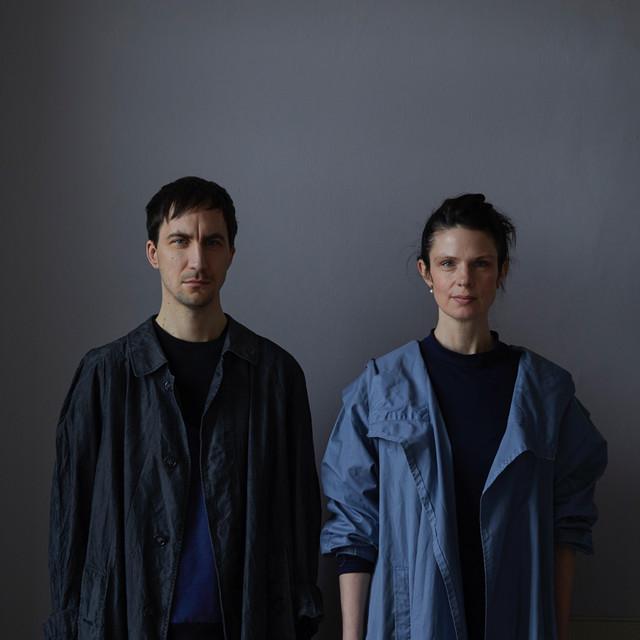
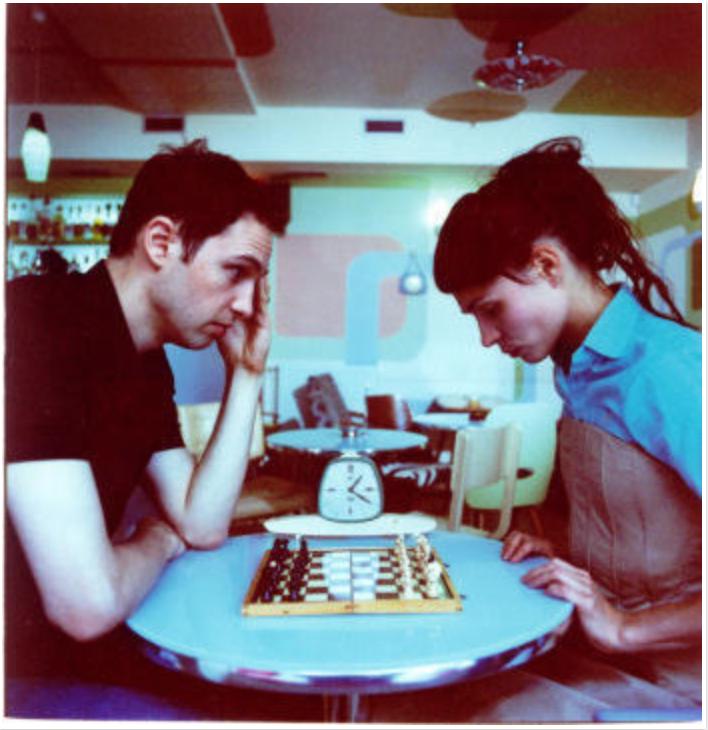
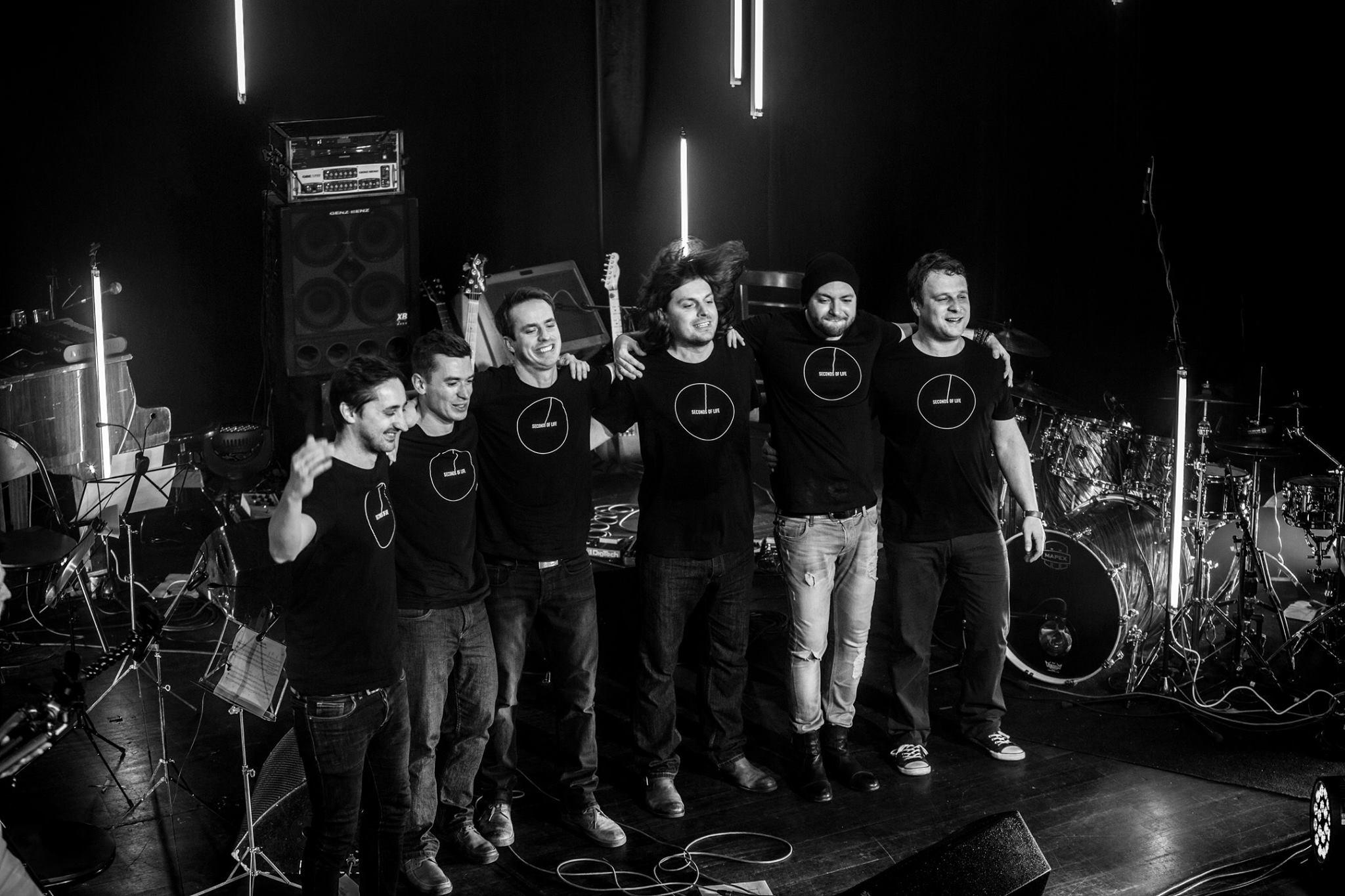
Ohm Square’s Spotify BioThe drum'n'bass sounds of Ohm Square have changed over the years, due to growing production influences and experiences. The band was formed in 1996 with members Jan Cechticky, Jan Klenick, Dusan Lipert, and English-born singer Charlie One. That same year they released two European distributed tracks on the Prague-based label Mr. Cucumber. The group met the pioneering jungle vocalist, Nicolette, while she was visiting Prague. The friendship resulted in Nicolette putting an Ohm Square track, "Pillow," on her 1997 DJ Kicks compilation.
The next year the group released their first full-length album, Ohmophonica, on the Czech label, Next Era. The album was distributed by MFS Berlin in Europe, but still hadn't seen much attention state side where drum'n'bass had yet to really stand any sort of solid ground. In 1998, Ohm Square toured in support of the album and added drummer Vladimir Pecha and drum'n'bass DJ DJ Koogi. Touring allowed the band to grow and explore their sound, and in 1999, they… released their second album, Scion. The album was recorded in London and produced by Duncan Forbes of Spooky. The group continued to support the album by touring and teetering between the brash sounds of Metalheadz and the gentleness of Alex Reece. Remixes from the album Scion were released in 2001 and the band released material on their own label, East Authentic. The band also takes on a different persona under the name Babelfish Jr., with Cechticky on the turntables while Klenick and Charlie One support with live keyboards and vocals. ~ Diana Potts, Rovi
Viberate is a music analytics platform built for A&Rs, artist managers, labels, booking agents, marketers, and artists.
It helps music professionals track artist growth, analyze audience data, monitor playlist activity, compare artists, follow song performance, and identify opportunities across the music market.
Public artist pages provide a free preview of selected artist data. Paid plans provide access to deeper analytics, historical data, charts, comparisons, playlist tools, exports, alerts, reports, and additional professional features.
Yes. Public Viberate artist pages provide selected artist analytics and music data for free.
Viberate also offers a 7-day free trial of the full platform. A credit card is required to start the trial. The trial includes access to the complete product so users can test deeper artist analytics, historical views, playlist insights, comparisons, charts, exports, alerts, and reporting features before choosing a paid plan.
Viberate provides artist analytics across streaming, playlists, social media, video, radio airplay, songs, and audience markets.
Users can analyze Spotify performance, Spotify and Apple Music playlists, YouTube activity, TikTok and Instagram growth, radio spins, song performance, audience locations, demographics, rankings, and overall artist momentum.
Artist profiles also connect to music charts, similar artists, and comparison tools, helping users benchmark performance and evaluate artists in context.
Viberate updates key artist and track data daily.
For followed artists and tracks, selected data is refreshed multiple times per day. This helps teams monitor playlist changes, streaming movement, audience growth, releases, and campaign performance with more current data.
Update frequency can vary depending on the metric and data source.
Yes. Viberate lets users compare up to five artists side by side across streaming, social media, audience, and engagement metrics.
Users can compare fanbase growth, audience demographics, locations, Spotify performance, social metrics, and other artist data over selected time periods.
Artist comparison can be used for A&R scouting, benchmarking, booking decisions, campaign planning, and evaluating artists with similar audiences or market positions.