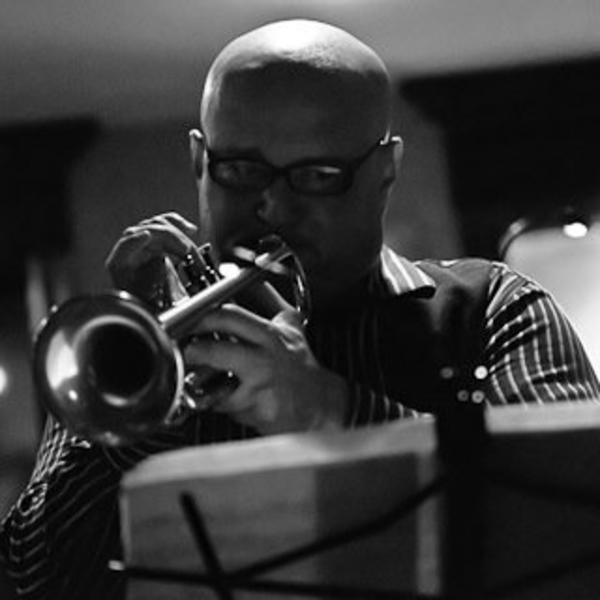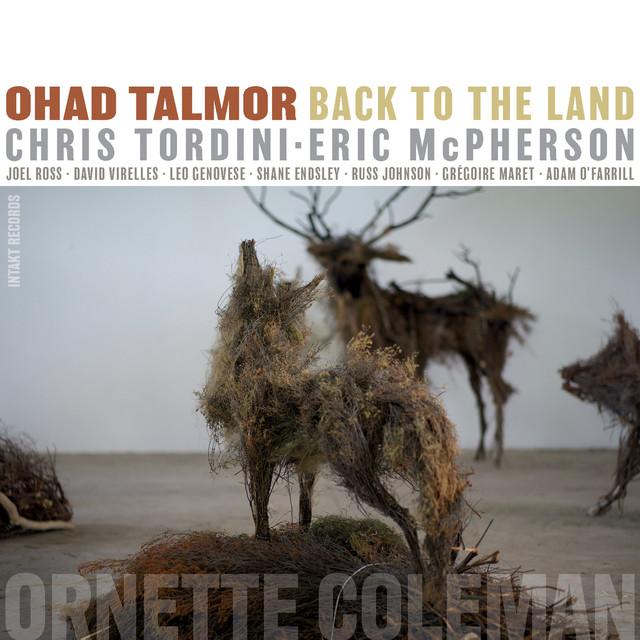
Ohad Talmor

Jazz
Nu Jazz
Free Jazz
Jazz Fusion
 Viberate Rank: 483649
 Viberate Rank: 483649
 Monthly ListenersFollowers
 Subscribers
 Followers
 Followers
 FansTop Spotify Songs
| Track | 7-Day Streams | |
|---|---|---|
1 | 742 | |
2 | 8 | |
3 | 7 | |
4 | 4 | |
5 | 4 |
Top YouTube VideosMonthly ListenersFeatured in Playlists| Playlist | Followers | |
|---|---|---|
1 |  ECM Yves Riviere | 5.39K |
2 |  Fresh Obscure / Rare Artists 🍅 Unknown Genres / Experimental Gems / Part 1 of 2 o808988s | 1.12K |
Audience| City | Monthly Listeners | |
|---|---|---|
1 |  | 27 |
2 |  | 25 |
3 | | 21 |
4 |  | 19 |
5 | | 19 |
See full performance history, audience data, playlist activity, rankings, comparisons, and more in Viberate music analytics. Start with a free trial, then continue with a paid plan.
Ohad Talmor’s Spotify BioJazz saxophonist Ohad Talmor was born in 1970 in Lyon, France, of Israeli parents. He grew up in Geneva, Switzerland in a house with classical music on at all times. At age five he started studying piano at the Geneva Conservatory. Upon moving to Florida in 1987 as an exchange student, Talmor took up the saxophone after falling in love with the marginal amount of jazz he heard before leaving Switzerland. Following his return to Europe, he moved along a path which led him first to study musicology at the University of Geneva in parallel to gigging around town. Eventually, performing took over studying as Talmor immersed himself into the European jazz scene. Parallel to his activities as a performer on the saxophones and clarinets, he took on a growing passion for composing and arranging, which eventually led him back to the U.S. in 1995 to the Manhattan School of Music on a full scholarship. He received his degree in composition in 1997, and since then continues to live in Brooklyn,… N.Y., performing, composing, arranging, and sometimes acting, in different projects. Since his arrival back in N.Y.C., he has put together several diverse ensembles, including the News Reel Quintet, the Other Quartet co-led with trumpeter Russ Johnson, the M.O.B. Trio, the Deja Vus Septet, and Scent of the Morning Dew. For his most prominent collaborations, he has written distinctive repertoire as musical director of the Lee Konitz Nonet and the Steve Swallow Sextet. Talmor has also performed or recorded with Jason Moran, Dave Douglas, Paul Motian, Joe Lovano, Chris Potter, Billy Hart, the Carla Bley Big Band, Ray Anderson, Curtis Fowlkes, Jim Black, Bob Dorough, Joachim Kühn, John Hollenbeck, and Franco Ambrosetti. He also plays regularly with Roy Nathanson's Alphabet Lounge Big Band, Yannick Barman ensembles, the Brazilian Blue Seven Septet, and has arranged and composed pieces for the Brecker Brothers, the Matosinhos Jazz Orchestra, the European Broadcasting Ensemble, leading classical musicians such as pianist Martha Argerich, the Spring String Quartet of Austria, and the Axis String Quartet in New York. He is also actively involved in writing for new media, including music for National Public Radio, the SciFi television channel, the Random House and Penguin-Putnam audio books series, as well as writing music for films. ~ Michael G. Nastos, Rovi
Viberate is a music analytics platform built for A&Rs, artist managers, labels, booking agents, marketers, and artists.
It helps music professionals track artist growth, analyze audience data, monitor playlist activity, compare artists, follow song performance, and identify opportunities across the music market.
Public artist pages provide a free preview of selected artist data. Paid plans provide access to deeper analytics, historical data, charts, comparisons, playlist tools, exports, alerts, reports, and additional professional features.
Yes. Public Viberate artist pages provide selected artist analytics and music data for free.
Viberate also offers a 7-day free trial of the full platform. A credit card is required to start the trial. The trial includes access to the complete product so users can test deeper artist analytics, historical views, playlist insights, comparisons, charts, exports, alerts, and reporting features before choosing a paid plan.
Viberate provides artist analytics across streaming, playlists, social media, video, radio airplay, songs, and audience markets.
Users can analyze Spotify performance, Spotify and Apple Music playlists, YouTube activity, TikTok and Instagram growth, radio spins, song performance, audience locations, demographics, rankings, and overall artist momentum.
Artist profiles also connect to music charts, similar artists, and comparison tools, helping users benchmark performance and evaluate artists in context.
Viberate updates key artist and track data daily.
For followed artists and tracks, selected data is refreshed multiple times per day. This helps teams monitor playlist changes, streaming movement, audience growth, releases, and campaign performance with more current data.
Update frequency can vary depending on the metric and data source.
Yes. Viberate lets users compare up to five artists side by side across streaming, social media, audience, and engagement metrics.
Users can compare fanbase growth, audience demographics, locations, Spotify performance, social metrics, and other artist data over selected time periods.
Artist comparison can be used for A&R scouting, benchmarking, booking decisions, campaign planning, and evaluating artists with similar audiences or market positions.