Oh, Sleeper

Metal
Metalcore/Deathcore
 Viberate Rank: 64493
 Viberate Rank: 64493
 Monthly ListenersFollowers
 Subscribers
 Followers
 Followers
 FansTop Spotify Songs
| Track | 7-Day Streams | |
|---|---|---|
1 | 24.47K | |
2 | 12.47K | |
3 | 8.66K | |
4 | 8.51K | |
5 | 7.34K |
Top YouTube Videos| Video | 7-Day Views | |
|---|---|---|
1 | 1.79K | |
2 | 1.14K | |
3 | 868 | |
4 | 770 | |
5 | 749 |
Monthly ListenersFeatured in Playlists| Playlist | Followers | |
|---|---|---|
1 |  The Core Spotify | 944.51K |
2 |  All New Metal Spotify | 812.44K |
3 | The actual good metal playlist Sleekful | 107.15K |
4 |  Nik Nocturnal's Modern Metal Playlist Nik Nocturnal | 85.30K |
5 |  actually good christian metal 🤘🏼 nadia louise ♡ | 54.08K |
Audience| City | Monthly Listeners | |
|---|---|---|
1 | | 1.77K |
2 | | 1.34K |
3 | | 1.12K |
4 | | 1.09K |
5 | | 1.09K |
See full performance history, audience data, playlist activity, rankings, comparisons, and more in Viberate music analytics. Start with a free trial, then continue with a paid plan.
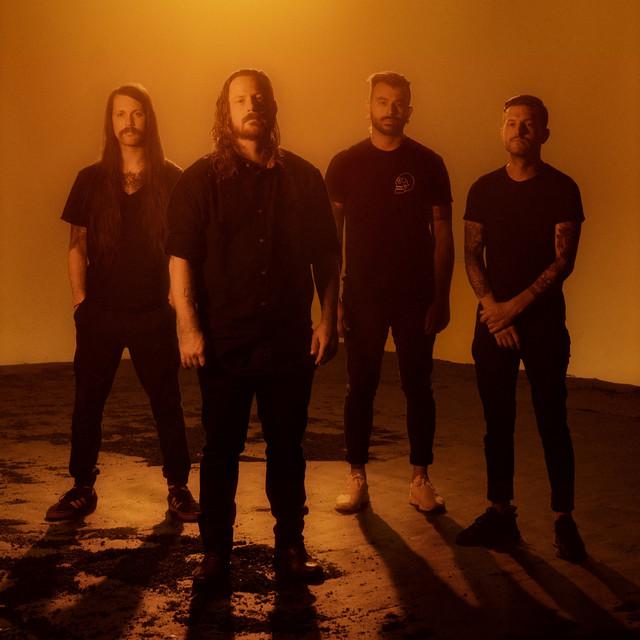
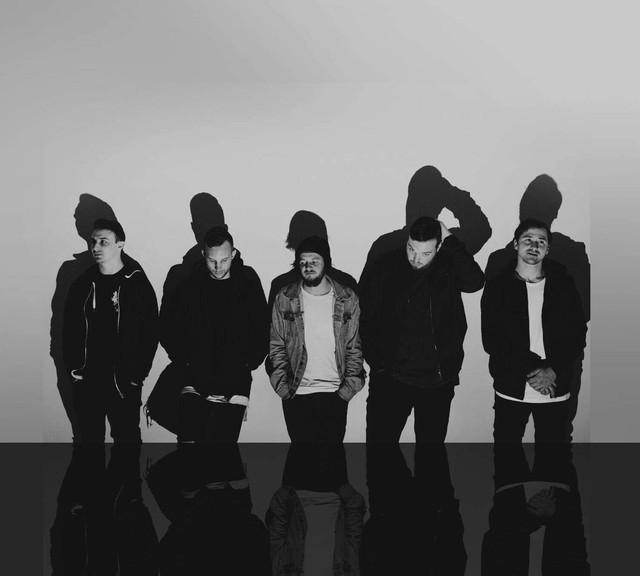
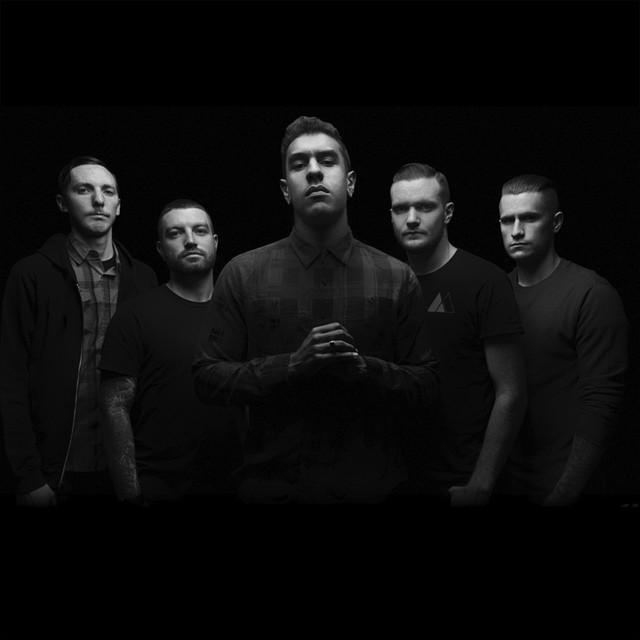
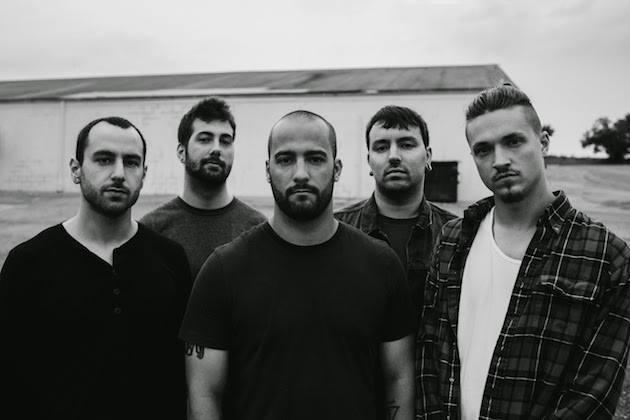
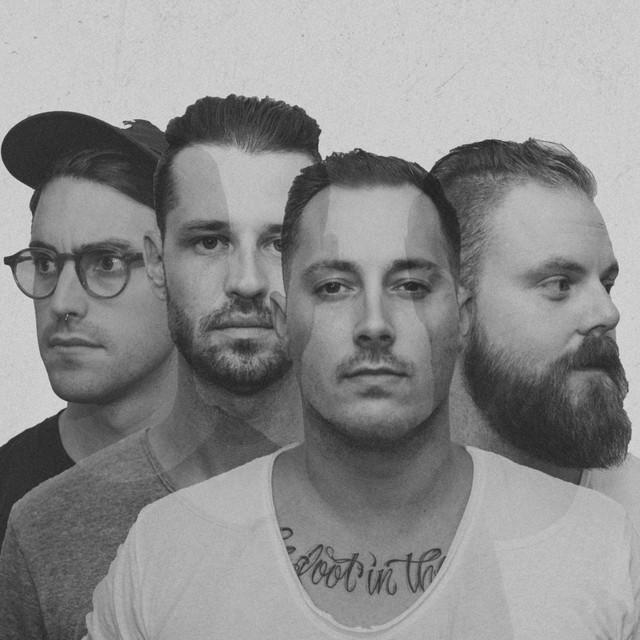
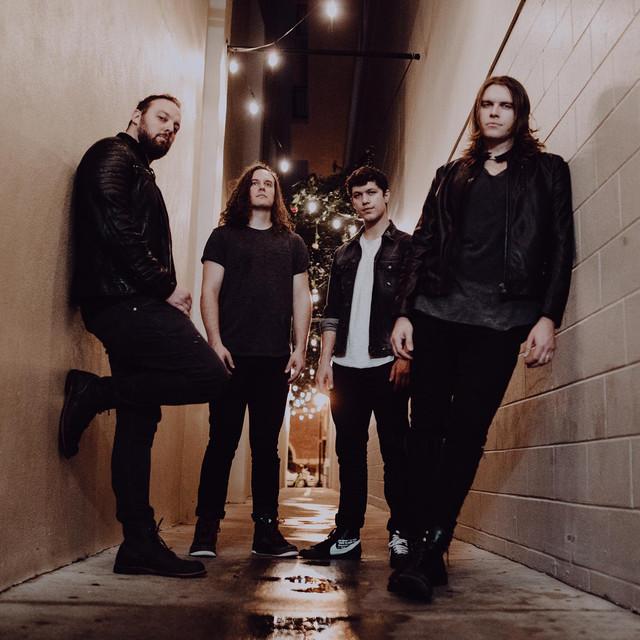
Oh, Sleeper’s Spotify BioAn American metalcore group based out of the Lone Star State, Oh, Sleeper emerged in 2006 out of the ashes of the Christian emo/post-hardcore unit Terminal, who ceased operations following the release of their debut (and only) album How the Lonely Keep. Oh, Sleeper perfected their tech-heavy attack, clean/scream singing, and dark atmospherics via chart-topping albums like When I Am God (2007), Son of the Morning (2009) and Children of Fire (2011), before going on hiatus in 2013. They returned in 2019 with their long-awaited fourth studio long-player Bloodied/Unbowed.
The band was founded in Fort Worth, Texas by ex-Terminal members Ryan Conley (drums), Lucas Starr (bass), and James Erwin (guitar), along with Micah Kinard (unclean vocals) and former Between the Buried and Me guitarist Shane Blay (guitar, clean vocals). Taking their name from a passage in the New Testament's Epistle to the Ephesians ("Therefore it says, 'Awake, O sleeper, and arise from the dead, and Christ will shine on… you"), the newly-minted quintet issued their debut EP The Armored March in late 2006. They were scooped up by Solid State Records the following year, with whom they released their first full-length effort When I Am God, which featured re-recorded versions of the songs from The Armored March, alongside several new recordings. Conley left after a tour with Norma Jean in support of the album, and was replaced by new drummer Matt Davis, who made his first studio appearance on 2009's ambitious Son of the Morning. A concept LP concerning an apocalyptic battle between God and Satan, it was the band's highest charting outing to date, cracking the Billboard Top 200 albums chart and rising to the upper echelons of the hard rock and Christian albums charts.
Bassist Starr was the next to leave the fold, making room for Nate Grady, who made his debut on 2011's Children of Fire. Another narrative-driven set, this time dealing with the aftermath of the rapture that occured at the end of Son of the Morning, the album made an even stronger showing than its predecessor, climbing to number one on the hard rock albums chart. Guitarist James Erwin announced his departure in 2012, resulting in Grady taking over guitar duties while passing the bass to Johno Erickson, formerly of Sky Eats Airplane. Having fulfilled their contract with Solid State, the band used crowdfunding to help underwrite their next release. The resulting sci-fi-themed EP The Titan arrived in 2013. Later that year Oh, Sleeper would go on hiatus, allowing Shane Blay to join up with members of As I Lay Dying to front a new project called Wovenwar.
In 2017 the band returned to the studio and released the single "Oxygen", with a second single, "Decimation & Burial", arriving the following year. 2018 also saw the group return to Solid State Records and announce the impending arrival of a new full-length effort -- former bassist and co-founder Lucas Starr passed away in December of that year after a four month battle with cancer. A third single, "Fissure", was released in January 2019, with Bloodied/Unbowed arriving later that July. ~ James Christopher Monger, Rovi
Viberate is a music analytics platform built for A&Rs, artist managers, labels, booking agents, marketers, and artists.
It helps music professionals track artist growth, analyze audience data, monitor playlist activity, compare artists, follow song performance, and identify opportunities across the music market.
Public artist pages provide a free preview of selected artist data. Paid plans provide access to deeper analytics, historical data, charts, comparisons, playlist tools, exports, alerts, reports, and additional professional features.
Yes. Public Viberate artist pages provide selected artist analytics and music data for free.
Viberate also offers a 7-day free trial of the full platform. A credit card is required to start the trial. The trial includes access to the complete product so users can test deeper artist analytics, historical views, playlist insights, comparisons, charts, exports, alerts, and reporting features before choosing a paid plan.
Viberate provides artist analytics across streaming, playlists, social media, video, radio airplay, songs, and audience markets.
Users can analyze Spotify performance, Spotify and Apple Music playlists, YouTube activity, TikTok and Instagram growth, radio spins, song performance, audience locations, demographics, rankings, and overall artist momentum.
Artist profiles also connect to music charts, similar artists, and comparison tools, helping users benchmark performance and evaluate artists in context.
Viberate updates key artist and track data daily.
For followed artists and tracks, selected data is refreshed multiple times per day. This helps teams monitor playlist changes, streaming movement, audience growth, releases, and campaign performance with more current data.
Update frequency can vary depending on the metric and data source.
Yes. Viberate lets users compare up to five artists side by side across streaming, social media, audience, and engagement metrics.
Users can compare fanbase growth, audience demographics, locations, Spotify performance, social metrics, and other artist data over selected time periods.
Artist comparison can be used for A&R scouting, benchmarking, booking decisions, campaign planning, and evaluating artists with similar audiences or market positions.