Oceans on Mars

Rock
Alternative Rock
Indie Rock
 Viberate Rank: 271929
 Viberate Rank: 271929
 Monthly ListenersFollowers
 Subscribers
 Followers
 Followers
 FansTop Spotify Songs
| Track | 7-Day Streams | |
|---|---|---|
1 | 1.20K | |
2 | 781 | |
3 | 230 | |
4 | 215 | |
5 | 142 |
Top YouTube Videos| Video | 7-Day Views | |
|---|---|---|
1 | 29 | |
2 | 28 | |
3 | 4 | |
4 | 2 | |
5 | 2 |
Monthly ListenersFeatured in Playlists| Playlist | Followers | |
|---|---|---|
1 |  Indie Rock 2026 IGNITE | 28.75K |
2 |  Solo Travel Black Tea | 27.23K |
3 |  WORK OUT ROCK FLEX Magazine | 22.14K |
4 |  Best of Nu-Grunge Pawns or Kings | 8.48K |
5 |  Top 100 Rock Lucid Music | 6.72K |
Audience| City | Monthly Listeners | |
|---|---|---|
1 | | 123 |
2 |  | 111 |
3 | | 96 |
4 | | 89 |
5 | | 84 |
See full performance history, audience data, playlist activity, rankings, comparisons, and more in Viberate music analytics. Start with a free trial, then continue with a paid plan.
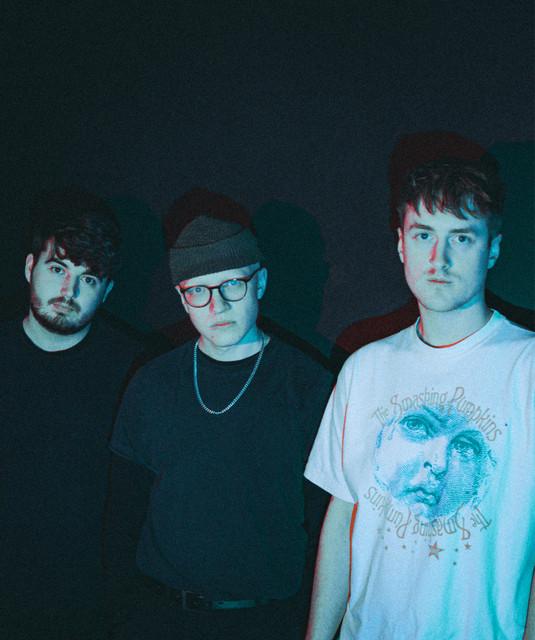
Oceans on Mars’ Spotify BioSince forming in 2018, Oceans on Mars has gradually built a cult following across the UK, with dedicated fans in Manchester, Liverpool, Leeds, Birmingham, Stoke, London, and beyond.
Known for their success on social platforms and Spotify, Oceans on Mars is best recognized for their electrifying live performances across iconic UK venues.
Heavily inspired by bands like Pearl Jam, Nirvana, Radiohead, Alice in Chains, and Soundgarden, the band brings a fresh edge to the ’90s grunge sound.
Their music combines a shoegazing style in the verses with fuzzed-up riffs in the choruses, creating a modern grunge experience that feels both nostalgic and new.
Regularly touring, Oceans on Mars has headlined and sold out shows at venues such as Manchester Academy, Deaf Institute, The Night & Day, Bread Shed, and more. They’ve also shared stages with notable acts like Kid Kapichi, Crawlers, Himalayas, Glass Caves, and Ist Ist, cementing their place in the UK alternative scene.
Stream Our New Single ‘When It… Rains’
Check out When It Rains on all streaming services, and follow Oceans on Mars on social media to stay updated on upcoming releases and tour dates.
Connect with Oceans on Mars on Social Media:
@theoceansonmars on TikTok, Instagram, Twitter, and Facebook
For bookings and press inquiries, please contact: info@oceansonmars.co.uk
Viberate is a music analytics platform built for A&Rs, artist managers, labels, booking agents, marketers, and artists.
It helps music professionals track artist growth, analyze audience data, monitor playlist activity, compare artists, follow song performance, and identify opportunities across the music market.
Public artist pages provide a free preview of selected artist data. Paid plans provide access to deeper analytics, historical data, charts, comparisons, playlist tools, exports, alerts, reports, and additional professional features.
Yes. Public Viberate artist pages provide selected artist analytics and music data for free.
Viberate also offers a 7-day free trial of the full platform. A credit card is required to start the trial. The trial includes access to the complete product so users can test deeper artist analytics, historical views, playlist insights, comparisons, charts, exports, alerts, and reporting features before choosing a paid plan.
Viberate provides artist analytics across streaming, playlists, social media, video, radio airplay, songs, and audience markets.
Users can analyze Spotify performance, Spotify and Apple Music playlists, YouTube activity, TikTok and Instagram growth, radio spins, song performance, audience locations, demographics, rankings, and overall artist momentum.
Artist profiles also connect to music charts, similar artists, and comparison tools, helping users benchmark performance and evaluate artists in context.
Viberate updates key artist and track data daily.
For followed artists and tracks, selected data is refreshed multiple times per day. This helps teams monitor playlist changes, streaming movement, audience growth, releases, and campaign performance with more current data.
Update frequency can vary depending on the metric and data source.
Yes. Viberate lets users compare up to five artists side by side across streaming, social media, audience, and engagement metrics.
Users can compare fanbase growth, audience demographics, locations, Spotify performance, social metrics, and other artist data over selected time periods.
Artist comparison can be used for A&R scouting, benchmarking, booking decisions, campaign planning, and evaluating artists with similar audiences or market positions.