Oblivious

Rock
Stoner Rock
Hard Rock
 Viberate Rank: 726852
 Viberate Rank: 726852
 Monthly ListenersFollowers
 Subscribers
 Followers
 Followers
 FansTop Spotify Songs
| Track | 7-Day Streams | |
|---|---|---|
1 | 10 | |
2 | 8 | |
3 | 6 | |
4 | 6 | |
5 | 4 |
Top YouTube VideosMonthly ListenersFeatured in Playlists| Playlist | Followers | |
|---|---|---|
1 |  Stoner Rock A-Z boogievan | 24.16K |
2 |  Doom and stoner rock from the north (Sweden, Norway, Finland, Denmark, Iceland) Robert Lamu | 2.64K |
3 |  Stoner Rock Radio gfletch32 | 2.35K |
4 |  Heavy Psych/Stoner Rock/Doom punkesta | 1.77K |
5 |  Stoner / Sludge Jesper Olsson | 1.38K |
Audience| City | Monthly Listeners | |
|---|---|---|
1 | | 13 |
2 | | 8 |
3 | | 4 |
4 | | 3 |
See full performance history, audience data, playlist activity, rankings, comparisons, and more in Viberate music analytics. Start with a free trial, then continue with a paid plan.
Oblivious’ Spotify BioOblivious started out in the late 2004 with a vision of playing its stoner-y hard rock in front of people who enjoyed it. In 2012, due to creative differences, original guitarist and bassplayer Sven and Per quit to pursue their creative dreams elsewhere.
The rest of the band (Joakim on drums, Isak on vocals and Daniel on guitar) stood in front of a challenge. The bassplayer issue was quickly resolved by recruiting the beast with the bass, Andy. But what to do with the guitars?
The band decided to stick with one guitar for a bigger focus on the vocals of Isak and Daniel.
The bands third release, Out of Wilderness, showed the world a different side of Oblivious. The band sounds more focused and the songs was over all shortened to show off the bands' ability to master different kinds of venues. The signing to the local but globally known label Gaphals did the band some well deserved promotion.
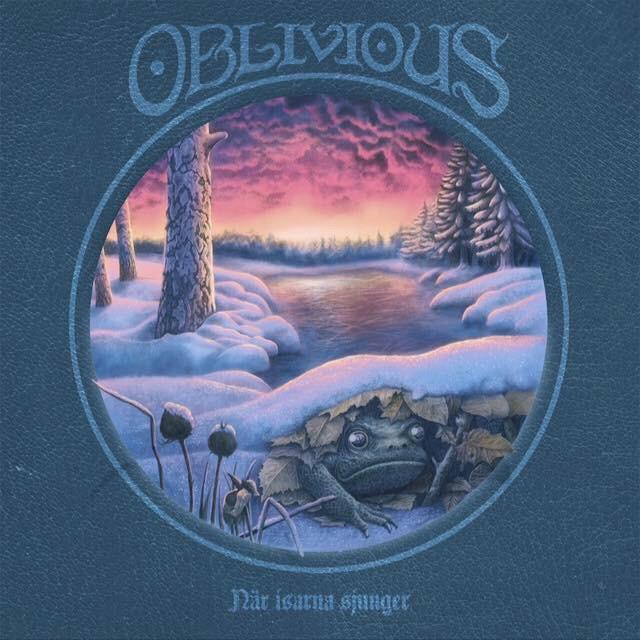
In 2016-2017 the dream of making an album completely in the native tongue, Swedish, grew. Hard work… and dedication ended up resulting in the 2018 Swedish masterpiece När Isarna Sjunger (trans. When The Ice Sings, a term used for the ice breaking in the end of winter to manifest that spring is coming)
Andy sadly had to quit the band and Linus Ekermo from the band Nocturnalia joined Oblivious, at first as a stand-in but quickly turned into a full time gig!
What's up in the future, you might ask? Well, follow the band and see for yourself. Anything can and will happen!
Cheers.
Viberate is a music analytics platform built for A&Rs, artist managers, labels, booking agents, marketers, and artists.
It helps music professionals track artist growth, analyze audience data, monitor playlist activity, compare artists, follow song performance, and identify opportunities across the music market.
Public artist pages provide a free preview of selected artist data. Paid plans provide access to deeper analytics, historical data, charts, comparisons, playlist tools, exports, alerts, reports, and additional professional features.
Yes. Public Viberate artist pages provide selected artist analytics and music data for free.
Viberate also offers a 7-day free trial of the full platform. A credit card is required to start the trial. The trial includes access to the complete product so users can test deeper artist analytics, historical views, playlist insights, comparisons, charts, exports, alerts, and reporting features before choosing a paid plan.
Viberate provides artist analytics across streaming, playlists, social media, video, radio airplay, songs, and audience markets.
Users can analyze Spotify performance, Spotify and Apple Music playlists, YouTube activity, TikTok and Instagram growth, radio spins, song performance, audience locations, demographics, rankings, and overall artist momentum.
Artist profiles also connect to music charts, similar artists, and comparison tools, helping users benchmark performance and evaluate artists in context.
Viberate updates key artist and track data daily.
For followed artists and tracks, selected data is refreshed multiple times per day. This helps teams monitor playlist changes, streaming movement, audience growth, releases, and campaign performance with more current data.
Update frequency can vary depending on the metric and data source.
Yes. Viberate lets users compare up to five artists side by side across streaming, social media, audience, and engagement metrics.
Users can compare fanbase growth, audience demographics, locations, Spotify performance, social metrics, and other artist data over selected time periods.
Artist comparison can be used for A&R scouting, benchmarking, booking decisions, campaign planning, and evaluating artists with similar audiences or market positions.