Obits

Rock
Psychedelic Rock
Garage Rock
 Viberate Rank: 229935
 Viberate Rank: 229935
 Monthly ListenersFollowers
 Subscribers
 Followers
 Followers
 FansTop Spotify Songs
| Track | 7-Day Streams | |
|---|---|---|
1 | 432 | |
2 | 175 | |
3 | 159 | |
4 | 154 | |
5 | 84 |
Top YouTube Videos| Video | 7-Day Views | |
|---|---|---|
1 | 10 | |
2 | 1 |
Monthly ListenersFeatured in Playlists| Playlist | Followers | |
|---|---|---|
1 |  WAYNE soundtrack Charlie Linskey | 10.55K |
2 |  El Sótano de Radio 3 Groovyfamily | 9.84K |
3 |  Matador Recommends Matador Records | 4.81K |
4 | triple j's Hottest 100 2013 Candidates triple j | 4.80K |
5 |  180 Grados Radio3 By Alexmonti90 y Virginia Diaz. Audrey M. Montilla | 4.73K |
Audience| City | Monthly Listeners | |
|---|---|---|
1 | | 62 |
2 | | 58 |
3 | | 51 |
4 | | 51 |
5 | | 39 |
See full performance history, audience data, playlist activity, rankings, comparisons, and more in Viberate music analytics. Start with a free trial, then continue with a paid plan.
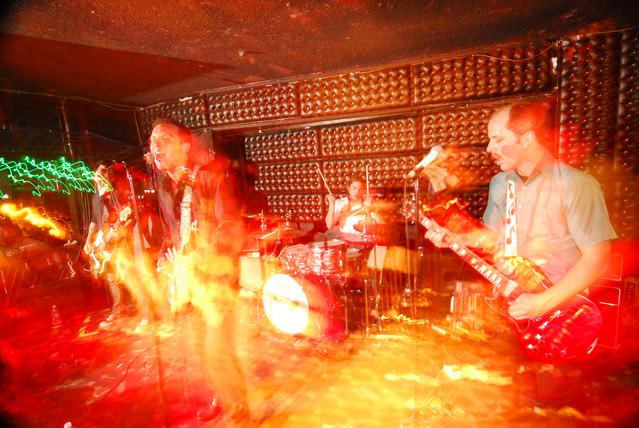
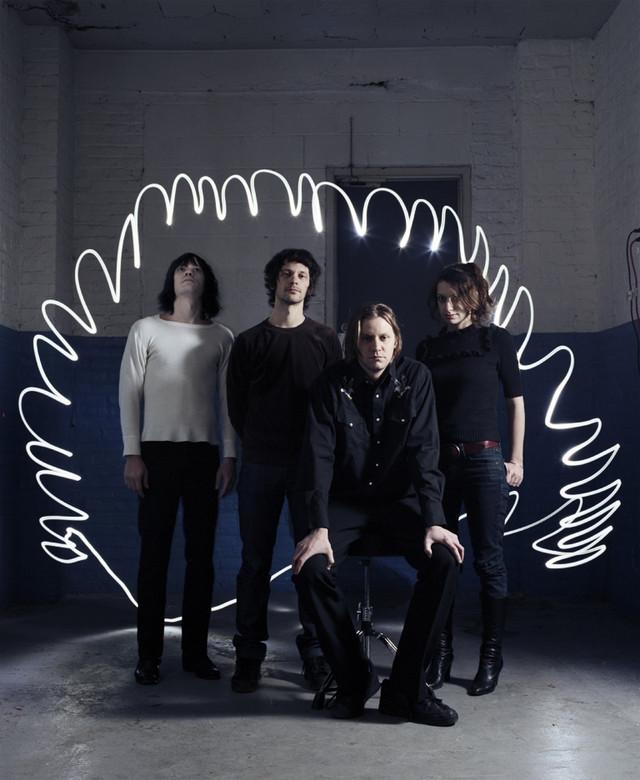
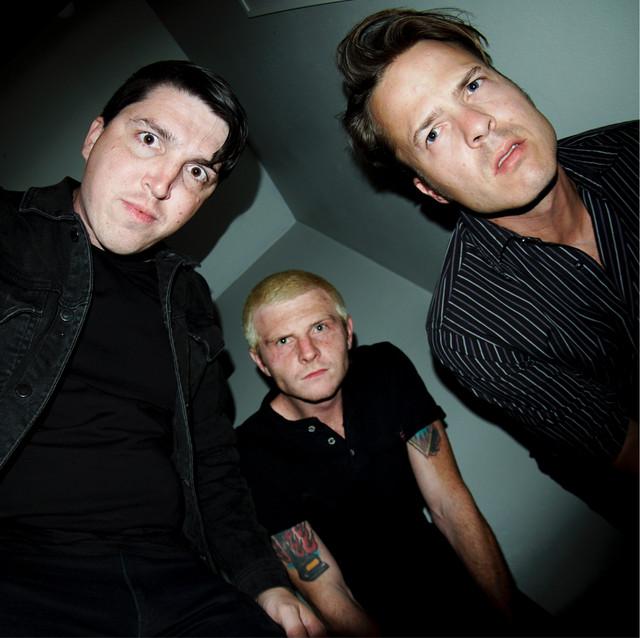
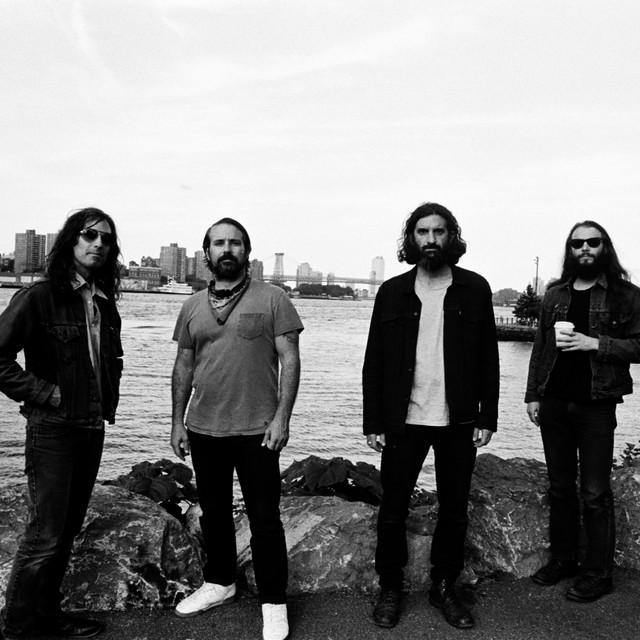
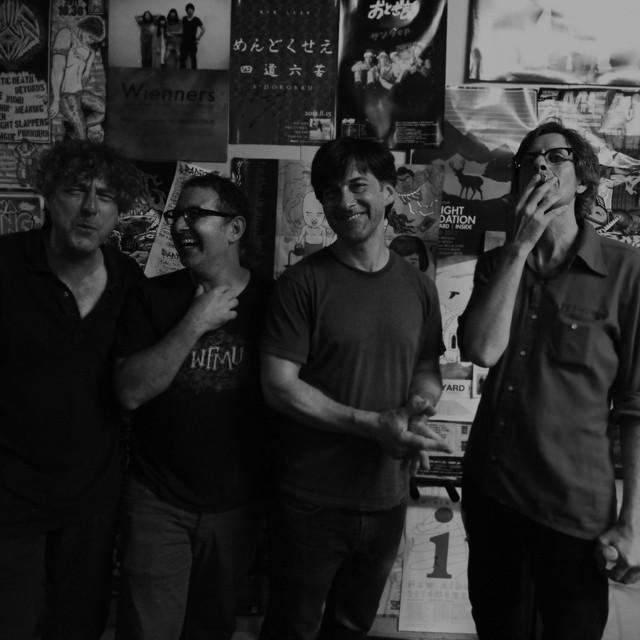
Obits’ Spotify BioDelivering taut, straightforward rock & roll with sharply interwoven guitar lines, muscular rhythms, and a melodic sense that splits the difference between indie rock and garage-influenced punk, Brooklyn, New York's the Obits were a band with an impressive pedigree -- guitarist and vocalist Rick Froberg was previously a member of Drive Like Jehu and Hot Snakes, while fellow guitarist and singer Sohrab Habibion was a veteran of Washington, D.C. indie rockers Edsel. After the breakup of Hot Snakes in 2005, Froberg moved from California to Brooklyn, and in 2006 he began writing new material and rehearsing with Habibion and drummer Scott Gursky (also a member of Shortstack). While the trio initially considered adding a third guitar player, the arrival of bassist Greg Simpson gave them the power and solid bottom end they needed, and the group's lineup was complete.
In early 2008, the Obits made their public debut at the Cake Shop, a club on New York's Lower East Side; the show was packed… with fans eager to hear Froberg and Habibion's latest project, and one of them managed to record the set, posting a lo-fi bootleg of the show on the Internet. The Obits stole back two songs from the live tape and made them available on their MySpace page, and soon the band was gaining serious buzz from indie rock fans who heard either part or all of the debut concert. Chris Jacobs, an A&R man at Sub Pop Records and a big fan of Froberg's previous work, was impressed enough with the live bootleg that the Obits were invited to play Sub Pop's 20th anniversary festival in Seattle in the summer of 2008, and it wasn't long before they signed a deal with the label. To satisfy their growing fan following, they released a single, "One Cross Apiece" b/w "Put It in Writing," on their own Stint Records label in late 2008, and their first full-length effort, I Blame You, was released by Sub Pop in March 2009. The Obits' follow-up, 2011's Moody, Standard and Poor, was just as fiery as its debut. The quartet returned in 2013 with their third album, Bed & Bugs, that experimented with a plethora of sounds and styles. The album also introduced drummer Alexis Fleisig, formerly of Girls Against Boys, who replaced Scott Gursky in the lineup. The Obits toured in support of the album, but were inactive after that, and in April 2015 they posted a statement on social media confirming that the group had split up. Rick Froberg returned to Hot Snakes, appearing on their 2018 album Jericho Sirens, while Sohrab Habibion formed a new group, SAVAK, making their debut with 2016's Best of Luck in Future Endeavors. An August 26, 2012, Obits performance in Brisbane, Australia was given a belated release on 2021's Die at the Zoo. Rick Froberg died on June 30, 2023, at the age of 55. ~ Mark Deming, Rovi
Viberate is a music analytics platform built for A&Rs, artist managers, labels, booking agents, marketers, and artists.
It helps music professionals track artist growth, analyze audience data, monitor playlist activity, compare artists, follow song performance, and identify opportunities across the music market.
Public artist pages provide a free preview of selected artist data. Paid plans provide access to deeper analytics, historical data, charts, comparisons, playlist tools, exports, alerts, reports, and additional professional features.
Yes. Public Viberate artist pages provide selected artist analytics and music data for free.
Viberate also offers a 7-day free trial of the full platform. A credit card is required to start the trial. The trial includes access to the complete product so users can test deeper artist analytics, historical views, playlist insights, comparisons, charts, exports, alerts, and reporting features before choosing a paid plan.
Viberate provides artist analytics across streaming, playlists, social media, video, radio airplay, songs, and audience markets.
Users can analyze Spotify performance, Spotify and Apple Music playlists, YouTube activity, TikTok and Instagram growth, radio spins, song performance, audience locations, demographics, rankings, and overall artist momentum.
Artist profiles also connect to music charts, similar artists, and comparison tools, helping users benchmark performance and evaluate artists in context.
Viberate updates key artist and track data daily.
For followed artists and tracks, selected data is refreshed multiple times per day. This helps teams monitor playlist changes, streaming movement, audience growth, releases, and campaign performance with more current data.
Update frequency can vary depending on the metric and data source.
Yes. Viberate lets users compare up to five artists side by side across streaming, social media, audience, and engagement metrics.
Users can compare fanbase growth, audience demographics, locations, Spotify performance, social metrics, and other artist data over selected time periods.
Artist comparison can be used for A&R scouting, benchmarking, booking decisions, campaign planning, and evaluating artists with similar audiences or market positions.