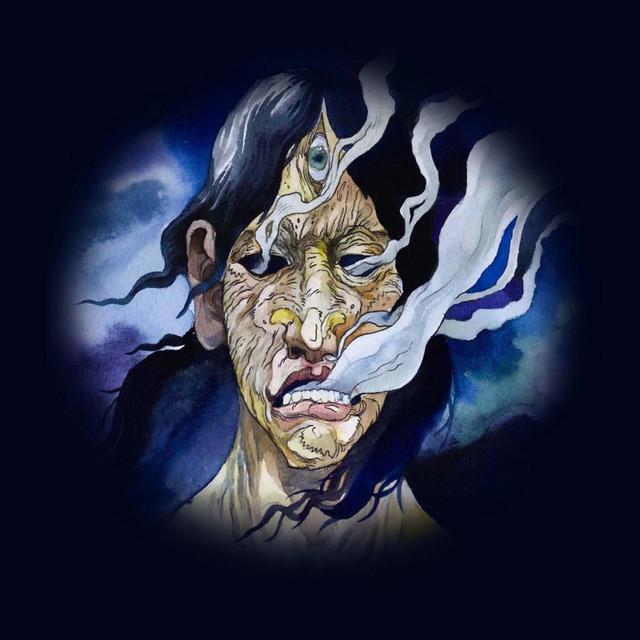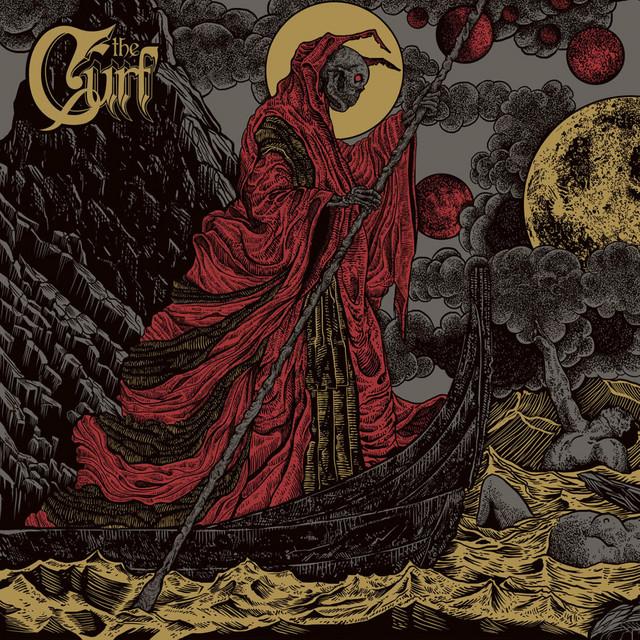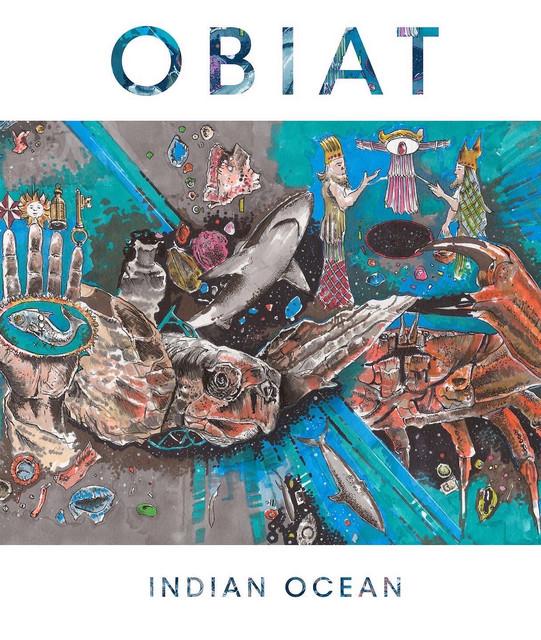
Obiat

Metal
Doom/Sludge Metal
Stoner Rock
 Viberate Rank: 640940
 Viberate Rank: 640940
 Monthly ListenersFollowers
 Subscribers
 Followers
 Followers
 FansTop Spotify Songs
| Track | 7-Day Streams | |
|---|---|---|
1 | 6 | |
2 | 3 | |
3 | 3 | |
4 | 3 | |
5 | 3 |
Top YouTube Videos| Video | 7-Day Views | |
|---|---|---|
1 | 2 | |
2 | 1 | |
3 | 1 |
Monthly ListenersFeatured in Playlists| Playlist | Followers | |
|---|---|---|
1 |  psych stoner doom blues rock metal chris | 3.77K |
2 |  𝐏𝐬𝐲𝐜𝐡edelic 𝐒𝐭𝐨𝐧𝐞𝐫 𝐌𝐚𝐫𝐬𝐡 𝙎𝙩𝙤𝙢𝙥𝙞𝙣𝙜𝙇𝙡𝙖𝙢𝙖 | 3.18K |
3 |  Stoner Rock Radio gfletch32 | 2.35K |
4 |  Stoner / Sludge Jesper Olsson | 1.38K |
5 |  LOW & HEAVY FUZZ Hémorragie | 1.29K |
Audience| City | Monthly Listeners | |
|---|---|---|
1 |  | 6 |
See full performance history, audience data, playlist activity, rankings, comparisons, and more in Viberate music analytics. Start with a free trial, then continue with a paid plan.
Obiat’s Spotify Bio'...Obiat paint from the broadest of palettes to offer as much light as they do shade...A series of movements that are woven together with the greatest of skill...'
PROG magazine
'8/10'
METAL HAMMER UK
'8.5/10
AVE NOCTUM
'...Band of the week...'
THE DEVIL'S MOUTH Jose Carlos Santos
Obiat were originally formed in Poland (town of Szczecin, to be precise) by native guitarist Rafal “Raf” Reutt and drummer Adam Cichocki before relocating to London, England, in the late '90s and hooking up with Hungarian-born singer Laszlo “Laz” Pallagi. Obiat used plethora of guest musicians who supported their live performances over the years. Their music, often seems born of another world entirely, as subsequent albums Accidentally Making Enemies (2002) and Emotionally Driven Disturbulence (2005) covered a diverse and unpredictable swath of sounds ranging from stoner/doom metal, to artsy prog, to psychedelia and space rock. This trend of avoiding trends carried on into the band's third album (and first for… America's Small Stone label), Eye Tree Pi in 2009, with Raf and Laz from the original line up, plus Neil Dawson on drums and Alex Nervo on bass. Obiat have performed live all over UK and Europe, from London through Paris, Vienna, Rome to Budapest (sharing stage with My Dying Bride, Electric Wizard, Testament, Orange Goblin, Pelican to name just a few). In 2021, Raf , Neil and Alex , this time with Sean Cooper on vocals recorded Obiat’s 4th album “Indian Ocean”, released in July 2022.
Viberate is a music analytics platform built for A&Rs, artist managers, labels, booking agents, marketers, and artists.
It helps music professionals track artist growth, analyze audience data, monitor playlist activity, compare artists, follow song performance, and identify opportunities across the music market.
Public artist pages provide a free preview of selected artist data. Paid plans provide access to deeper analytics, historical data, charts, comparisons, playlist tools, exports, alerts, reports, and additional professional features.
Yes. Public Viberate artist pages provide selected artist analytics and music data for free.
Viberate also offers a 7-day free trial of the full platform. A credit card is required to start the trial. The trial includes access to the complete product so users can test deeper artist analytics, historical views, playlist insights, comparisons, charts, exports, alerts, and reporting features before choosing a paid plan.
Viberate provides artist analytics across streaming, playlists, social media, video, radio airplay, songs, and audience markets.
Users can analyze Spotify performance, Spotify and Apple Music playlists, YouTube activity, TikTok and Instagram growth, radio spins, song performance, audience locations, demographics, rankings, and overall artist momentum.
Artist profiles also connect to music charts, similar artists, and comparison tools, helping users benchmark performance and evaluate artists in context.
Viberate updates key artist and track data daily.
For followed artists and tracks, selected data is refreshed multiple times per day. This helps teams monitor playlist changes, streaming movement, audience growth, releases, and campaign performance with more current data.
Update frequency can vary depending on the metric and data source.
Yes. Viberate lets users compare up to five artists side by side across streaming, social media, audience, and engagement metrics.
Users can compare fanbase growth, audience demographics, locations, Spotify performance, social metrics, and other artist data over selected time periods.
Artist comparison can be used for A&R scouting, benchmarking, booking decisions, campaign planning, and evaluating artists with similar audiences or market positions.