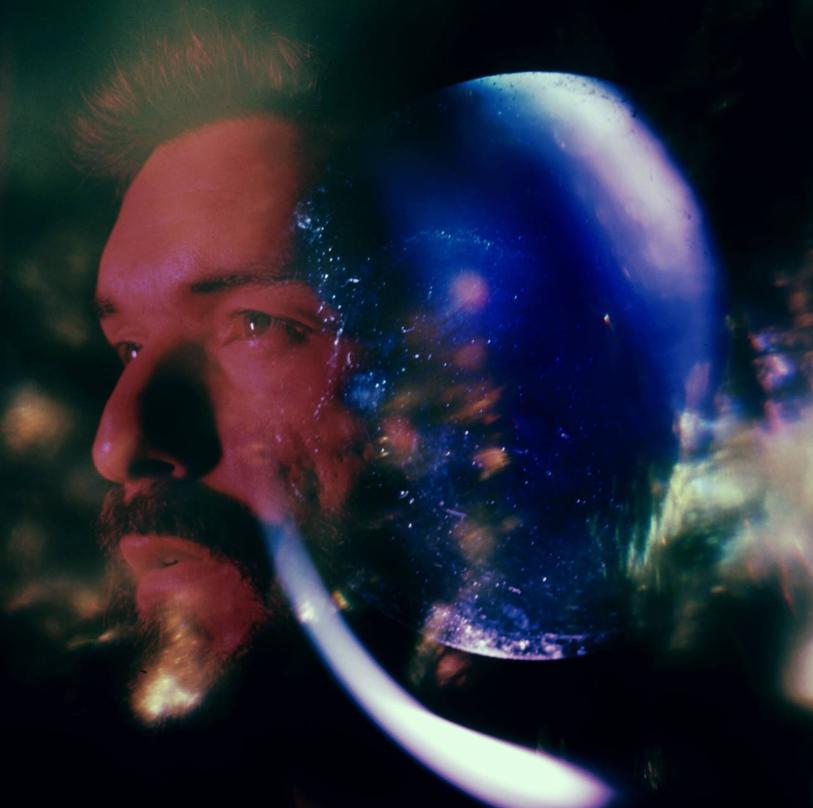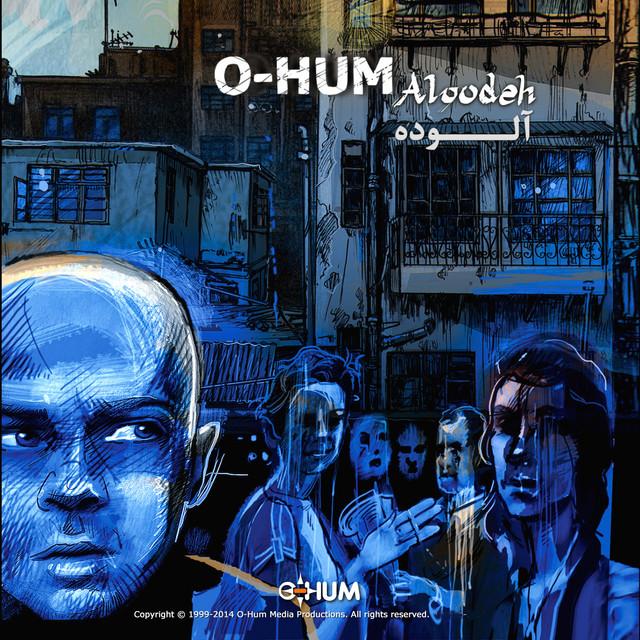
O-Hum

Middle Eastern
Iranian Folk
Other Middle Eastern Music
Alternative Rock
 Viberate Rank: 247338
 Viberate Rank: 247338
 Monthly ListenersFollowers
 Subscribers
 Followers
 Followers
 FansTop Spotify Songs
| Track | 7-Day Streams | |
|---|---|---|
1 | 255 | |
2 | 130 | |
3 | 124 | |
4 | 113 | |
5 | 107 |
Top YouTube VideosMonthly ListenersFeatured in Playlists| Playlist | Followers | |
|---|---|---|
1 |  RADIO JAVAN Pox | 6.02K |
2 |  Persian Rock 🎸 | راک ایرانی , Iranian Rock, Alternative Rock, Persian Funk, Groovy, راک فارسی woody | 5.92K |
3 |  اگر کافه داشتم. Asal | 5.22K |
4 |  Persian Rock & Alternative - Top 100 IranTunes #Mahsaamini | 3.43K |
5 |  Being Persian | ایرانی بودن woody | 2.48K |
Audience| City | Monthly Listeners | |
|---|---|---|
1 |  | 117 |
2 |  | 111 |
3 |  | 67 |
4 |  | 59 |
5 | | 49 |
See full performance history, audience data, playlist activity, rankings, comparisons, and more in Viberate music analytics. Start with a free trial, then continue with a paid plan.
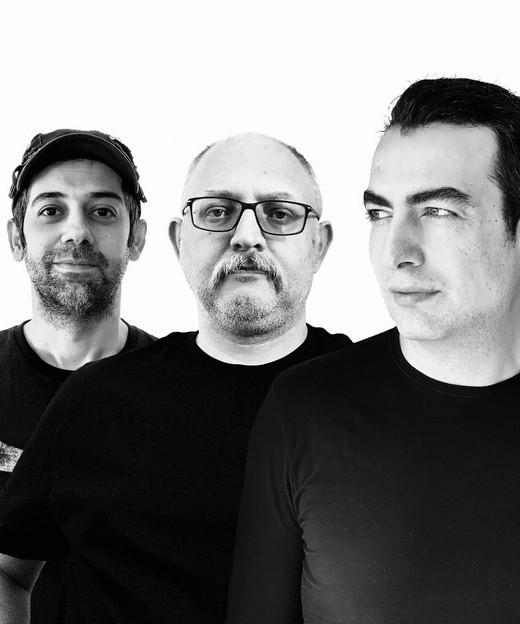
O-Hum’s Spotify BioFormed in 1999 in Tehran, O-HUM is one of the alternative rock bands in Iran. The name of the band comes from an Arabic word meaning 'illusions'. O-HUM mainly uses poems of Hafez, a traditional Iranian poet who lived in 8th century A.H., and also adds elements of Iranian (Persian) music into its rock sound. For this, O-HUM has worked with bunch of guest Iranian traditional music instrument players thus far.
O-HUM was started as Shahram Sharbaf (vocals, guitar), Shahrokh Izadkhah (guitar) and Babak Riahipour (Bass) in 1999. At the beginning they was just planning to record some demo songs in Shahram Sharbaf's home studio but after the leakage of the first single called "Darvish", the band started to get offers by record companies. Band's first album Nahal-e Heyrat (The Sapling of Wonder) by its initial lineup was recorded in summer of 1999. O-HUM launched its own website and started to make the songs of Nahal-e Heyrat available for download for free in 2001 after they could not succeed… in obtaining a publishing license from Iranian Ministry of Culture and Islamic Guidance. "The rejection was nothing to do with the lyrics since they were from Hafez who has always had great respect among all Iranians including the Ministry--the problem was about the style", Sharbaf said. However, people started to download the songs and the website let O-HUM find a big fan base on the internet. First live performance of the band was in Russian Orthodox Church in Tehran in 2001. Sharbaf and Riahipour also collaborated with Farman Fahtalian in his very first open-air live performance in Niavaran Palace in Tehran. Next effort of the band was in February 2002 called Hafez in Love which consisted of two singles. The singles were recorded in Tehran at Bam studios. Afterwards in 2003, Babak Riahipour and Shahrokh Izadkhah decided to leave the band. In 2003 and 2004 Sharbaf assembled a live band and had some performances in House of Culture in Berlin, Fabrik in Hamburg and Rostock as well in Germany. In 2005 Izadkhah got back and the band reached his final lineup: Sharbaf (vocals and guitar), Izadkhah (guitar), Kasra Saboktakin (bass) and Kasra Ebrahimi (drums). With its final lineup, O-HUM along with guest Iranian traditional musicians recorded its third album Aloodeh (Stained) in collaboration with Bamahang Productions--which is a Canada-based company. Aloodeh is available in on-line music stores.
O-HUM mixes elements of Iranian (Persian) traditional literature as well as folklore music with rock sound leading to some sort of assimilative music. This mixed music along with the accent Sharbaf uses for vocals, makes music the band plays specific to O-HUM--a sounding some critics refer to as Persian rock. ~ Pouya Partovi, Rovi
Viberate is a music analytics platform built for A&Rs, artist managers, labels, booking agents, marketers, and artists.
It helps music professionals track artist growth, analyze audience data, monitor playlist activity, compare artists, follow song performance, and identify opportunities across the music market.
Public artist pages provide a free preview of selected artist data. Paid plans provide access to deeper analytics, historical data, charts, comparisons, playlist tools, exports, alerts, reports, and additional professional features.
Yes. Public Viberate artist pages provide selected artist analytics and music data for free.
Viberate also offers a 7-day free trial of the full platform. A credit card is required to start the trial. The trial includes access to the complete product so users can test deeper artist analytics, historical views, playlist insights, comparisons, charts, exports, alerts, and reporting features before choosing a paid plan.
Viberate provides artist analytics across streaming, playlists, social media, video, radio airplay, songs, and audience markets.
Users can analyze Spotify performance, Spotify and Apple Music playlists, YouTube activity, TikTok and Instagram growth, radio spins, song performance, audience locations, demographics, rankings, and overall artist momentum.
Artist profiles also connect to music charts, similar artists, and comparison tools, helping users benchmark performance and evaluate artists in context.
Viberate updates key artist and track data daily.
For followed artists and tracks, selected data is refreshed multiple times per day. This helps teams monitor playlist changes, streaming movement, audience growth, releases, and campaign performance with more current data.
Update frequency can vary depending on the metric and data source.
Yes. Viberate lets users compare up to five artists side by side across streaming, social media, audience, and engagement metrics.
Users can compare fanbase growth, audience demographics, locations, Spotify performance, social metrics, and other artist data over selected time periods.
Artist comparison can be used for A&R scouting, benchmarking, booking decisions, campaign planning, and evaluating artists with similar audiences or market positions.