NYOIL

Hip Hop
Contemporary Hip Hop
Underground Hip Hop
 Viberate Rank: 291022
 Viberate Rank: 291022
 Monthly ListenersFollowers
 Subscribers
 Followers
 Followers
 FansTop Spotify Songs
| Track | 7-Day Streams | |
|---|---|---|
1 | 16 | |
2 | 16 | |
3 | 10 | |
4 | 9 | |
5 | 8 |
Top YouTube VideosMonthly ListenersFeatured in Playlists| Playlist | Followers | |
|---|---|---|
1 | downhill mountain biking Paulius Mickys | 4.65K |
2 |  REAL HIP-HOP André Skjoldal | 3.02K |
3 | Wefunk Radio (All tracks) Dillon Sylvestre | 2.67K |
4 | We Do This Til We Free Us Mariame Kaba | 1.81K |
Audience| City | Monthly Listeners | |
|---|---|---|
1 | | 7 |
2 | | 4 |
3 |  | 4 |
4 |  | 3 |
5 | | 3 |
See full performance history, audience data, playlist activity, rankings, comparisons, and more in Viberate music analytics. Start with a free trial, then continue with a paid plan.
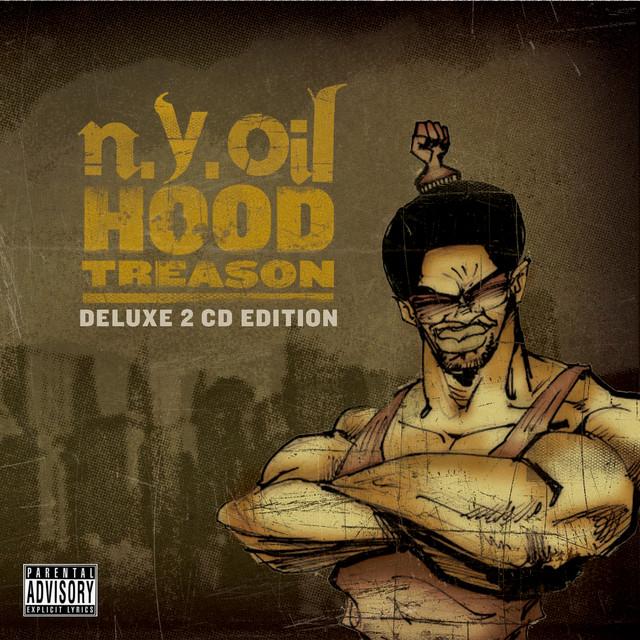
NYOIL’s Spotify BioAmid the ongoing debate of whether or not hip-hop was dead in 2006, NYOIL (pronounced N-Y Oil) became the point of controversy upon the release of his underground debut, "Y'all Should All Get Lynched." Calling for those he deems "coon a** rappers" and "fake a** gangstas" to be lynched, his Internet-released video collage, featuring photos of rappers like 50 Cent and Three 6 Mafia juxtaposed with images of slavery, lynchings, and black sambo characters made his intentions even more explicit. An honors student during grade school, he was strongly influenced by his mother's morals, growing up in the St. George district on Staten Island. His mother was a police officer who served during the Gulf War but, upon returning from the war, converted to Islam. NYOIL was interested in writing rhymes since he was 12, but felt the need to drop "Y'all Should All Get Lynched" when he was over 30-years-old. He initially leaked the self-produced song through his MySpace webpage before feeding the video… to YouTube. Within the first 48 hours of its posting, however, YouTube banned it from the site. The press, ranging from the U.S.-based Rolling Stone to the Swedish Quote Magazine, practically lined up to interview the Staten Island rapper, and he was just as eager to wax philosophical on the state of hip-hop and black culture. Nevertheless, NYOIL consciously tried to remain mysterious by not revealing his real name or much information about himself, not to mention that he would sometimes go off into the metaphysical. For his debut full-length, Hood Treason: The Warm Up Album (2007), he recorded similarly crafted songs with racy social commentary. ~ Cyril Cordor, Rovi
Viberate is a music analytics platform built for A&Rs, artist managers, labels, booking agents, marketers, and artists.
It helps music professionals track artist growth, analyze audience data, monitor playlist activity, compare artists, follow song performance, and identify opportunities across the music market.
Public artist pages provide a free preview of selected artist data. Paid plans provide access to deeper analytics, historical data, charts, comparisons, playlist tools, exports, alerts, reports, and additional professional features.
Yes. Public Viberate artist pages provide selected artist analytics and music data for free.
Viberate also offers a 7-day free trial of the full platform. A credit card is required to start the trial. The trial includes access to the complete product so users can test deeper artist analytics, historical views, playlist insights, comparisons, charts, exports, alerts, and reporting features before choosing a paid plan.
Viberate provides artist analytics across streaming, playlists, social media, video, radio airplay, songs, and audience markets.
Users can analyze Spotify performance, Spotify and Apple Music playlists, YouTube activity, TikTok and Instagram growth, radio spins, song performance, audience locations, demographics, rankings, and overall artist momentum.
Artist profiles also connect to music charts, similar artists, and comparison tools, helping users benchmark performance and evaluate artists in context.
Viberate updates key artist and track data daily.
For followed artists and tracks, selected data is refreshed multiple times per day. This helps teams monitor playlist changes, streaming movement, audience growth, releases, and campaign performance with more current data.
Update frequency can vary depending on the metric and data source.
Yes. Viberate lets users compare up to five artists side by side across streaming, social media, audience, and engagement metrics.
Users can compare fanbase growth, audience demographics, locations, Spotify performance, social metrics, and other artist data over selected time periods.
Artist comparison can be used for A&R scouting, benchmarking, booking decisions, campaign planning, and evaluating artists with similar audiences or market positions.