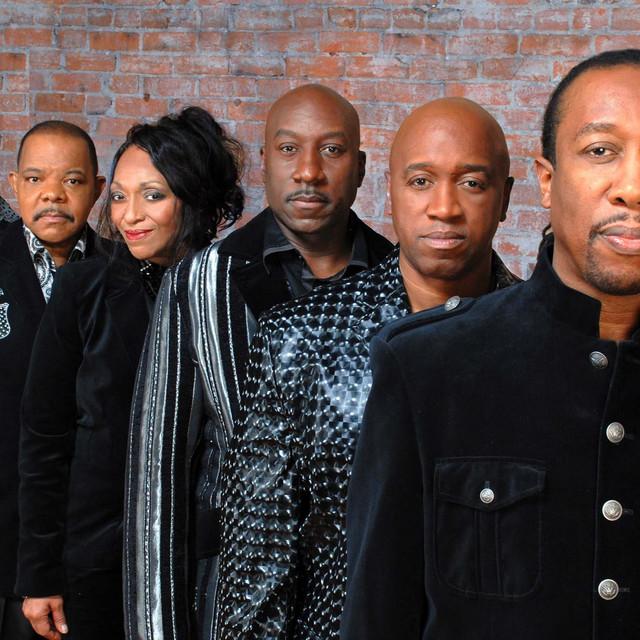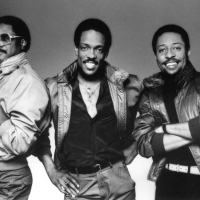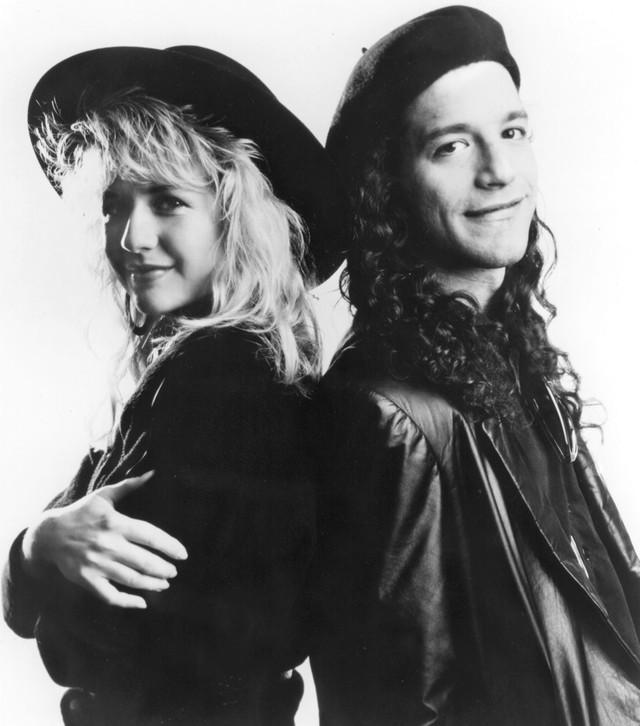
Nu Shooz

Pop
Mainstream Pop
Dance
 Viberate Rank: 27219
 Viberate Rank: 27219
 Monthly ListenersFollowers
 Subscribers
 Followers
 Followers
 FansTop Spotify Songs
| Track | 7-Day Streams | |
|---|---|---|
1 | 165.19K | |
2 | 118.17K | |
3 | 25.74K | |
4 | 11.73K | |
5 | 9.62K |
Top YouTube VideosMonthly ListenersFeatured in Playlists| Playlist | Followers | |
|---|---|---|
1 |  Euphoria Official Playlist Spotify | 320.67K |
2 |  Disco Hits 80 90 Mama Disco 💃 | 315.99K |
3 | 80s, 90s, 00s Greatest Hits Rob Johns | 262.44K |
4 |  FLASHBACK - DISCOTECA 80s & 90s Maicon NIGHTS DJ | 164.22K |
5 |  Disco Club Spotify | 140.58K |
Audience| City | Monthly Listeners | |
|---|---|---|
1 | | 18.03K |
2 |  | 9.11K |
3 |  | 8.79K |
4 | | 8.33K |
5 | | 8.15K |
See full performance history, audience data, playlist activity, rankings, comparisons, and more in Viberate music analytics. Start with a free trial, then continue with a paid plan.
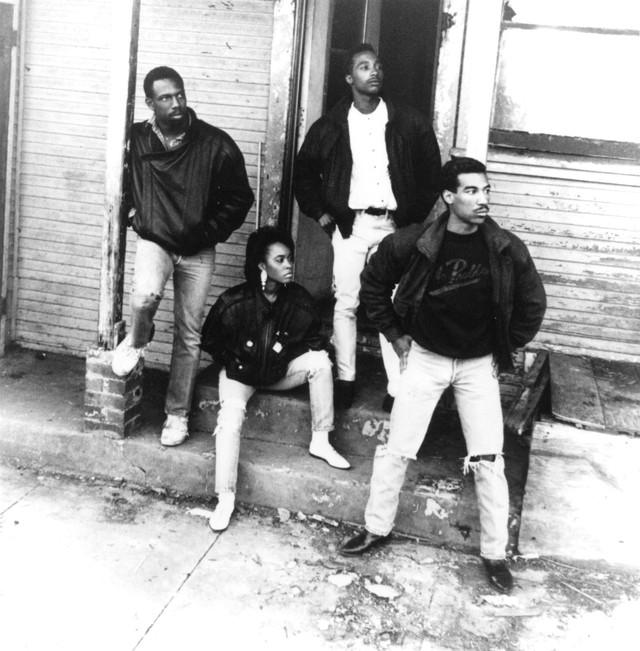
Nu Shooz’s Spotify BioFormed in 1979 by guitarist John Smith, Nu Shooz originated as a stage-sharpened jazz-funk band, as heard on their independently released 1982 debut album, Can't Turn It Off. The Portland, Oregon-based act underwent a major change in membership following its release, but Smith and vocalist/percussionist Valerie Day remained its core and adapted to contemporary trends with Tha's Right, a 1984 EP with songs in several styles, including pop-oriented R&B that resembled a mix of Cameo and Change. "I Can't Wait," the most distinctive inclusion, became a regional hit but didn't spread much farther until it was remixed by Dutch DJ Peter Slaghuis. The remix, known as "the Dutch mix," was championed by Larry Levan, revered DJ at New York's Paradise Garage. Nu Shooz were subsequently signed by Atlantic; the label recirculated "I Can't Wait," and the song reached number three on the Billboard Hot 100 in June 1986. Follow-up single "Point of No Return," like "I Can't Wait," topped the club chart,… though it merely cracked the pop Top 30. These two hits propelled Poolside, Nu Shooz's second proper album, into gold-selling status in the U.S. The group was nominated for a Grammy in the category of Best New Artist and lost to Bruce Hornsby & the Range.
Although the freestyle-flavored "Are You Lookin' for Somebody Nu" became a number two club hit, and the ballad "Should I Say Yes" went Top 20 R&B, the duo's 1988 album for Atlantic, Told U So, wasn't nearly as successful as Poolside. After a long break, Smith and Day -- a married couple -- reactivated Nu Shooz and continued to perform. Additionally, they released Pandora's Box (2006), an eclectic set credited to Nu Shooz Orchestra, as well as Kung Pao Kitchen (2012), a compilation of previously unreleased material recorded during the late '80s and early '90s. Separately, Smith has composed music for films and advertisements, among other outlets. Day recorded a big-band/swing-styled album, Beginning to See the Light, and has taught jazz and contemporary voice at Portland State University. "I Can't Wait" remained one of the most enduring mid-'80s pop hits. It was frequently sampled and covered, and turned up in movies and on television programs, including Hot Tub Time Machine and Master of None. ~ Andy Kellman, Rovi
Viberate is a music analytics platform built for A&Rs, artist managers, labels, booking agents, marketers, and artists.
It helps music professionals track artist growth, analyze audience data, monitor playlist activity, compare artists, follow song performance, and identify opportunities across the music market.
Public artist pages provide a free preview of selected artist data. Paid plans provide access to deeper analytics, historical data, charts, comparisons, playlist tools, exports, alerts, reports, and additional professional features.
Yes. Public Viberate artist pages provide selected artist analytics and music data for free.
Viberate also offers a 7-day free trial of the full platform. A credit card is required to start the trial. The trial includes access to the complete product so users can test deeper artist analytics, historical views, playlist insights, comparisons, charts, exports, alerts, and reporting features before choosing a paid plan.
Viberate provides artist analytics across streaming, playlists, social media, video, radio airplay, songs, and audience markets.
Users can analyze Spotify performance, Spotify and Apple Music playlists, YouTube activity, TikTok and Instagram growth, radio spins, song performance, audience locations, demographics, rankings, and overall artist momentum.
Artist profiles also connect to music charts, similar artists, and comparison tools, helping users benchmark performance and evaluate artists in context.
Viberate updates key artist and track data daily.
For followed artists and tracks, selected data is refreshed multiple times per day. This helps teams monitor playlist changes, streaming movement, audience growth, releases, and campaign performance with more current data.
Update frequency can vary depending on the metric and data source.
Yes. Viberate lets users compare up to five artists side by side across streaming, social media, audience, and engagement metrics.
Users can compare fanbase growth, audience demographics, locations, Spotify performance, social metrics, and other artist data over selected time periods.
Artist comparison can be used for A&R scouting, benchmarking, booking decisions, campaign planning, and evaluating artists with similar audiences or market positions.