Notch

Reggae
Reggae Fusion
Dancehall
Other Electronic Music
 Viberate Rank: 32188
 Viberate Rank: 32188
 Monthly ListenersFollowers
 Subscribers
 Followers
 Followers
 FansTop Spotify Songs
| Track | 7-Day Streams | |
|---|---|---|
1 | 572.19K | |
2 | 70.09K | |
3 | 48.84K | |
4 | 37.33K | |
5 | 16.36K |
Top YouTube VideosMonthly ListenersFeatured in Playlists| Playlist | Followers | |
|---|---|---|
1 |  Dancehall Throwback Spotify | 802.32K |
2 | 🙌🏼🫶🏼 Adriana Treviño | 180.55K |
3 | 🇯🇲 Best Dancehall Songs Ever DJ Noize | 158.87K |
4 |  Old School Reggaeton 🇨🇺🔥 sayragrimaldo | 131.98K |
5 | Old School Reggeaton Hits Chile Manuela Salvadores | 91.11K |
Audience| City | Monthly Listeners | |
|---|---|---|
1 |  | 50.77K |
2 |  | 42.67K |
3 |  | 37.34K |
4 |  | 28.71K |
5 |  | 22.72K |
See full performance history, audience data, playlist activity, rankings, comparisons, and more in Viberate music analytics. Start with a free trial, then continue with a paid plan.
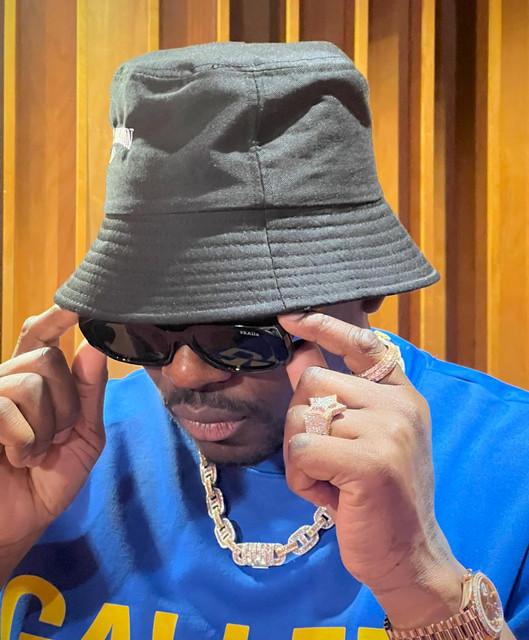
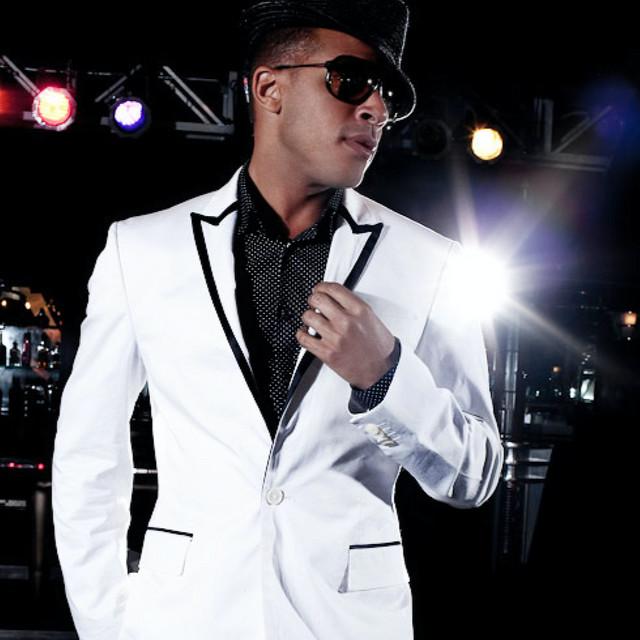
Notch’s Spotify BioOne-half of ragga/hip-hop duo Born Jamericans, Notch (born Norman Howell in Hartford, Connecticut) played a key part ushering in dancehall to American urban radio in the '90s with singles like "Boom Shak-a-Tak" and "Send My Love." Known then as Mr. Notch, he served as the sultry, smooth singing counterpart to Edley Shine's rugged, toasting rhymes. After the group disbanded in 1998, Notch began tapping into his Latin roots and re-emerged in the 2000s as a hot reggaeton newcomer. Singing in English, Spanish, and Jamaican patois (sometimes all at once, which he coined "Spatoinglish"), he added meringue, cumbia, and bachata in addition to urban-pop and hip-hop to his interchanging medley of reggaeton and dancehall. This cross-pollinating musical palette is informed by his racial background, a combination of Black American, Puerto Rican, Jamaican, and Cuban heritage. He largely ignored his Latin roots when he teamed up with Edley Shine, partly because of his Jamaican/Afro-Cuban father, who… was a reggae bassist. A great influence on Notch, his father introduced him to those infectious dance riddims that eventually drew him toward Shine.
Born Jamericans ascended the reggae and dance charts mainly due to their incorporation of more Americanized productions of hip-hop and pop-R&B. On the one hand, this garnered them crossover exposure through U.S. mainstream outlets, but on the other hand, they were derided by Jamaican dancehall diehards. Thus, when Notch went solo, he first spent lots of time in Jamaica in the early 2000s recording authentic reggae and dancehall, but he was later inspired by a bilingual Tony Touch mixtape to try and blend the many languages and dialects he grew up hearing during his childhood. The first song he made using the "Spatoinglish" hybrid, "Hay Que Bueno," unknowingly threw the singer into the burgeoning reggaeton movement. The multilingual hit, which became popular on both Latin-based and reggae mediums, led him to Puerto Rico to work with up-and-coming reggaeton producers. By 2004-2005, "Hay Que Bueno" spilled into Latin radio in America and found its place on the Billboard Latin charts. Consequently, Notch started making guest appearances on various albums, including those of Daddy Yankee, Luny Tunes, and Beenie Man, as well as ska rockers Sublime and experimental acid jazz duo Thievery Corporation.
Notch's first solo album, Raised by the People, finally arrived in late spring 2007 on his own imprint, Cinco por Cinco, and Universal subsidiary Machete Music. With album single "Dale Pa' Tra (Back It Up)" in regular rotation in the U.S., Raised by the People peaked in the Top 100 of the Latin charts and Top Five of the reggae charts. ~ Cyril Cordor, Rovi
Viberate is a music analytics platform built for A&Rs, artist managers, labels, booking agents, marketers, and artists.
It helps music professionals track artist growth, analyze audience data, monitor playlist activity, compare artists, follow song performance, and identify opportunities across the music market.
Public artist pages provide a free preview of selected artist data. Paid plans provide access to deeper analytics, historical data, charts, comparisons, playlist tools, exports, alerts, reports, and additional professional features.
Yes. Public Viberate artist pages provide selected artist analytics and music data for free.
Viberate also offers a 7-day free trial of the full platform. A credit card is required to start the trial. The trial includes access to the complete product so users can test deeper artist analytics, historical views, playlist insights, comparisons, charts, exports, alerts, and reporting features before choosing a paid plan.
Viberate provides artist analytics across streaming, playlists, social media, video, radio airplay, songs, and audience markets.
Users can analyze Spotify performance, Spotify and Apple Music playlists, YouTube activity, TikTok and Instagram growth, radio spins, song performance, audience locations, demographics, rankings, and overall artist momentum.
Artist profiles also connect to music charts, similar artists, and comparison tools, helping users benchmark performance and evaluate artists in context.
Viberate updates key artist and track data daily.
For followed artists and tracks, selected data is refreshed multiple times per day. This helps teams monitor playlist changes, streaming movement, audience growth, releases, and campaign performance with more current data.
Update frequency can vary depending on the metric and data source.
Yes. Viberate lets users compare up to five artists side by side across streaming, social media, audience, and engagement metrics.
Users can compare fanbase growth, audience demographics, locations, Spotify performance, social metrics, and other artist data over selected time periods.
Artist comparison can be used for A&R scouting, benchmarking, booking decisions, campaign planning, and evaluating artists with similar audiences or market positions.