Northern Room

Rock
Indie Rock
Pop Rock
 Viberate Rank: 668530
 Viberate Rank: 668530
 Monthly ListenersFollowers
 Subscribers
 Followers
 Followers
 FansTop Spotify Songs
| Track | 7-Day Streams | |
|---|---|---|
1 | 35 | |
2 | 19 | |
3 | 16 | |
4 | 8 | |
5 | 7 |
Top YouTube VideosMonthly ListenersFeatured in Playlists| Playlist | Followers | |
|---|---|---|
1 |  The Hills Soundtrack Official Playlist MTV Soundtrack | 11.34K |
2 | The Hills/ Laguna Beach Jfi Dunivan | 3.20K |
3 | Energy drink Ozu Win | 1.53K |
4 | Call On Me - Radio Edit – Eric Prydz LInda Rozeboom | 1.33K |
Audience| City | Monthly Listeners | |
|---|---|---|
1 | | 26 |
2 | | 7 |
3 | | 4 |
4 | | 3 |
5 | | 3 |
See full performance history, audience data, playlist activity, rankings, comparisons, and more in Viberate music analytics. Start with a free trial, then continue with a paid plan.
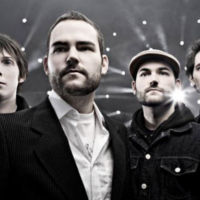
Northern Room’s Spotify BioNorthern Room was a rock band from Milwaukee Wisconsin, USA - whose members include: Andrew Jonathan, Michael Morgan, Micah Olla, and Tony Olla. In 2006, Northern Room were the winner, among over 100 bands, of a contest to open for Bon Jovi at the Bradley Center in Milwaukee. The band opened for The Gufs on the latter's reunion tour late in 2006. Early in 2007, the group released its second EP, Only Seconds. They were signed in Japan to BM3 Records in 2007. The group disbanded after Andrew Jonathan decided to leave the band. Northern Room had been working on new material before announcing their breakup and claimed that they may decide to release these unreleased songs by the end of 2008. However, only the single "Blacklight" was released in that time frame. Northern Room played its final show on November 8, 2008.
In January 2013, the band reunited to play a benefit for the Pablove Foundation.
In early 2022, the band returned to the studio to record the song "Sweet Lord" -- with an… expected release date in late 2022.
Viberate is a music analytics platform built for A&Rs, artist managers, labels, booking agents, marketers, and artists.
It helps music professionals track artist growth, analyze audience data, monitor playlist activity, compare artists, follow song performance, and identify opportunities across the music market.
Public artist pages provide a free preview of selected artist data. Paid plans provide access to deeper analytics, historical data, charts, comparisons, playlist tools, exports, alerts, reports, and additional professional features.
Yes. Public Viberate artist pages provide selected artist analytics and music data for free.
Viberate also offers a 7-day free trial of the full platform. A credit card is required to start the trial. The trial includes access to the complete product so users can test deeper artist analytics, historical views, playlist insights, comparisons, charts, exports, alerts, and reporting features before choosing a paid plan.
Viberate provides artist analytics across streaming, playlists, social media, video, radio airplay, songs, and audience markets.
Users can analyze Spotify performance, Spotify and Apple Music playlists, YouTube activity, TikTok and Instagram growth, radio spins, song performance, audience locations, demographics, rankings, and overall artist momentum.
Artist profiles also connect to music charts, similar artists, and comparison tools, helping users benchmark performance and evaluate artists in context.
Viberate updates key artist and track data daily.
For followed artists and tracks, selected data is refreshed multiple times per day. This helps teams monitor playlist changes, streaming movement, audience growth, releases, and campaign performance with more current data.
Update frequency can vary depending on the metric and data source.
Yes. Viberate lets users compare up to five artists side by side across streaming, social media, audience, and engagement metrics.
Users can compare fanbase growth, audience demographics, locations, Spotify performance, social metrics, and other artist data over selected time periods.
Artist comparison can be used for A&R scouting, benchmarking, booking decisions, campaign planning, and evaluating artists with similar audiences or market positions.