Nortec Collective

Electronic
Other Electronic Music
Latin alternative
 Viberate Rank: 78096
 Viberate Rank: 78096
 Monthly ListenersFollowers
 Subscribers
 Followers
 Followers
 FansTop Spotify Songs
| Track | 7-Day Streams | |
|---|---|---|
1 | 58.65K | |
2 | 17.63K | |
3 | 8.92K | |
4 | 6.33K | |
5 | 4.44K |
Top YouTube VideosMonthly ListenersFeatured in Playlists| Playlist | Followers | |
|---|---|---|
1 | Zoé, DLD, Café Tacuba, Telefunka, Caifanes, Amigos Invisibles Karla de la Cruz | 26.22K |
2 |  FIFA Street 2 Thiago Cypriano | 17.75K |
3 | Rock Español México KLM arq.reynoso | 13.50K |
4 | ska Emire Yael Romero Gonzalez | 12.56K |
5 | Ángeles Azules éxitos y duetos Guadalupe | 12.38K |
Audience| City | Monthly Listeners | |
|---|---|---|
1 | | 11.01K |
2 | | 2.15K |
3 | | 1.84K |
4 | | 1.59K |
5 | | 930 |
See full performance history, audience data, playlist activity, rankings, comparisons, and more in Viberate music analytics. Start with a free trial, then continue with a paid plan.
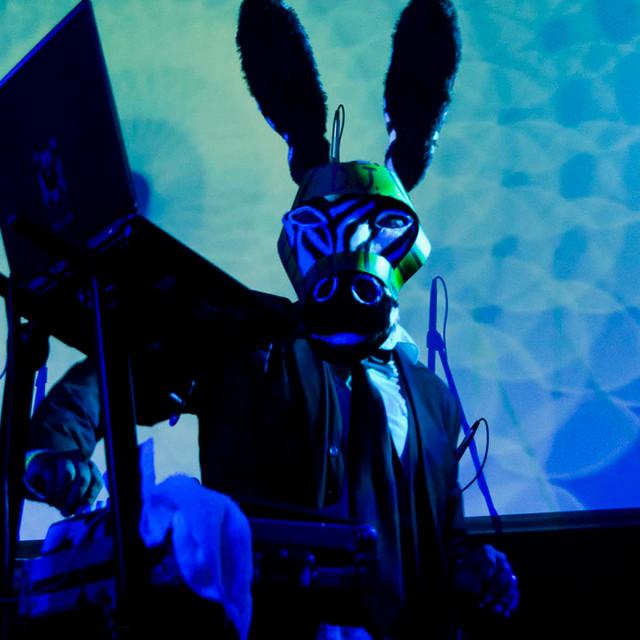
Nortec Collective’s Spotify BioComprised of a small stable of producers who fuse traditional Mexican music with contemporary electronic music, the Nortec Collective debuted in 2002 on Nacional Records and proceeded to garner a respectable following, especially among critics. Based primarily in Tijuana, the largest city in the Mexican state of Baja California, just across the border from San Diego, the so-called nortec movement took shape in the late '90s. At that time, producer Pepe Mogt began fusing cutting-edge electronic music with traditional Mexican music of the region such as norteño and banda. (The word nortec comes from norteño and techno.) Granted, this wasn't exactly a revelation -- electronic music producers had been fusing styles from the get-go; however, it was relatively novel in Mexico, where electronic music had little presence at the time. Tijuana was a particularly fertile city for the movement to take shape, because of its thriving club scene fueled by techno-savvy young stateside Californians who… perennially cross the U.S.-Mexico border to party, not to mention the abundance of DJs who cater to these border-crossing thrill-seekers.
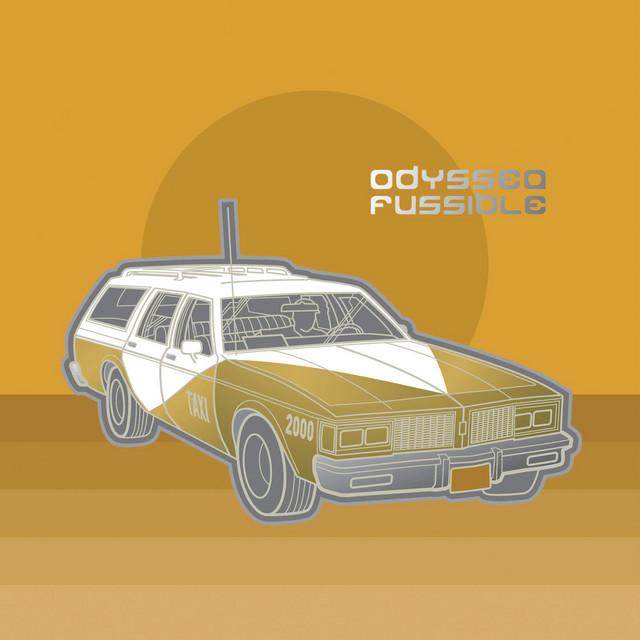
In time, a group of these nortec artists came together under the banner of the Nortec Collective. They then pooled their talents to produce a debut album, The Tijuana Sessions, Vol. 1 (2002), released by Nacional Records, a leading Latin alternative label. Other releases followed, including The Tijuana Sessions, Vol. 3 in 2005 (there's no Tijuana Sessions, Vol. 2). Mogt, the main producer among the collective, also composed the title track for the soundtrack of Tijuana Makes Me Happy (2005), a film by Dylan Verrechia. The song also appears on the soundtrack to the video game 2006 FIFA World Cup, in addition to The Tijuana Sessions, Vol. 3. Other producers associated with the collective, past and present, include Bostich, Clorofila, Fussible, Hiperboreal, Panoptica, Terrestre, and Plankton Man. In 2006, the Nortec Collective earned their first Latin Grammy nomination, for Best Alternative Music Album, an award that ultimately went to Julieta Venegas' Limón y Sal. Two years later, the band earned a mention in Nor-tec Rifa! Electronic Dance Music from Tijuana to the World, a book about the nortec music phenomenon written by Alejandro L. Madrid. In May 2008, Nortec Collective released Tijuana Sound Machine. ~ Jason Birchmeier, Rovi
Viberate is a music analytics platform built for A&Rs, artist managers, labels, booking agents, marketers, and artists.
It helps music professionals track artist growth, analyze audience data, monitor playlist activity, compare artists, follow song performance, and identify opportunities across the music market.
Public artist pages provide a free preview of selected artist data. Paid plans provide access to deeper analytics, historical data, charts, comparisons, playlist tools, exports, alerts, reports, and additional professional features.
Yes. Public Viberate artist pages provide selected artist analytics and music data for free.
Viberate also offers a 7-day free trial of the full platform. A credit card is required to start the trial. The trial includes access to the complete product so users can test deeper artist analytics, historical views, playlist insights, comparisons, charts, exports, alerts, and reporting features before choosing a paid plan.
Viberate provides artist analytics across streaming, playlists, social media, video, radio airplay, songs, and audience markets.
Users can analyze Spotify performance, Spotify and Apple Music playlists, YouTube activity, TikTok and Instagram growth, radio spins, song performance, audience locations, demographics, rankings, and overall artist momentum.
Artist profiles also connect to music charts, similar artists, and comparison tools, helping users benchmark performance and evaluate artists in context.
Viberate updates key artist and track data daily.
For followed artists and tracks, selected data is refreshed multiple times per day. This helps teams monitor playlist changes, streaming movement, audience growth, releases, and campaign performance with more current data.
Update frequency can vary depending on the metric and data source.
Yes. Viberate lets users compare up to five artists side by side across streaming, social media, audience, and engagement metrics.
Users can compare fanbase growth, audience demographics, locations, Spotify performance, social metrics, and other artist data over selected time periods.
Artist comparison can be used for A&R scouting, benchmarking, booking decisions, campaign planning, and evaluating artists with similar audiences or market positions.