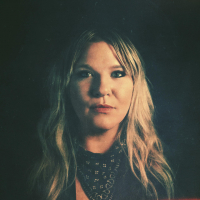
Norma MacDonald

Country
Americana/Alt Country
 Viberate Rank: 456290
 Viberate Rank: 456290
 Monthly ListenersFollowers
 Subscribers
 Followers
 Followers
 FansTop Spotify Songs
| Track | 7-Day Streams | |
|---|---|---|
1 | 14 | |
2 | 11 | |
3 | 10 | |
4 | 5 | |
5 | 4 |
Top YouTube VideosMonthly ListenersFeatured in Playlists| Playlist | Followers | |
|---|---|---|
1 |  Indie Rock Tunes 🎸 oceanify | 4.39K |
2 |  Road trip Rock 2025! Antonio Escusol Martín | 2.57K |
3 |  dancing in the kitchen 🕺🏻 Cookfy | 2.18K |
4 | Cerys Matthews 🔊 (BBC 6 Music) reacharound98 | 1.30K |
Audience| City | Monthly Listeners | |
|---|---|---|
1 | | 16 |
2 | | 6 |
3 | | 4 |
4 | | 4 |
5 | | 4 |
See full performance history, audience data, playlist activity, rankings, comparisons, and more in Viberate music analytics. Start with a free trial, then continue with a paid plan.
Norma MacDonald’s Spotify BioOn In Waves, Norma MacDonald explores new songwriting tactics, reimagines old demos, and conducts sound experimentations that expand her folk and country influences into 60s pop, Motown harmonies, and jangly early millennium indie-rock. Enlisting producer Daniel Ledwell (Jenn Grant, Fortunate Ones), MacDonald brought in the bulk of the track list from her pandemic lockdown era.
The first of those songs was “January”; it opens In Waves with a haunting doubled vocal and gently propulsive strings, so effectively bare its immediacy feels as fresh as when she wrote it. “Glass Flowers,” whose sobering refrain sneaks up on you in the midst of all the girl-group sha-la-las: “Whoever said you can’t be too careful / they were wrong.” The Spector-esque harmonies seep into the following track, “Comes in Waves,” which details both MacDonald’s personal experience with the pandemic as well as the specialized one she had as a ER nurse during that time: “It all just comes and goes / and ebbs and flows /… but somehow it never goes away.” Her voice is at its purest on the spare romance of “Eastern to Atlantic,” a late-night lullaby for adults.
In Waves may begin in winter, but it slips gently through the seasons concluding with a big fall barn dance via “Rescue Mission, a boisterous song of gratitude that echoes early Wilco recordings. The refrain— “Where would I be without you?”—is directed at a single cherished person, but like In Waves itself, it’s at once specific and universal.
Viberate is a music analytics platform built for A&Rs, artist managers, labels, booking agents, marketers, and artists.
It helps music professionals track artist growth, analyze audience data, monitor playlist activity, compare artists, follow song performance, and identify opportunities across the music market.
Public artist pages provide a free preview of selected artist data. Paid plans provide access to deeper analytics, historical data, charts, comparisons, playlist tools, exports, alerts, reports, and additional professional features.
Yes. Public Viberate artist pages provide selected artist analytics and music data for free.
Viberate also offers a 7-day free trial of the full platform. A credit card is required to start the trial. The trial includes access to the complete product so users can test deeper artist analytics, historical views, playlist insights, comparisons, charts, exports, alerts, and reporting features before choosing a paid plan.
Viberate provides artist analytics across streaming, playlists, social media, video, radio airplay, songs, and audience markets.
Users can analyze Spotify performance, Spotify and Apple Music playlists, YouTube activity, TikTok and Instagram growth, radio spins, song performance, audience locations, demographics, rankings, and overall artist momentum.
Artist profiles also connect to music charts, similar artists, and comparison tools, helping users benchmark performance and evaluate artists in context.
Viberate updates key artist and track data daily.
For followed artists and tracks, selected data is refreshed multiple times per day. This helps teams monitor playlist changes, streaming movement, audience growth, releases, and campaign performance with more current data.
Update frequency can vary depending on the metric and data source.
Yes. Viberate lets users compare up to five artists side by side across streaming, social media, audience, and engagement metrics.
Users can compare fanbase growth, audience demographics, locations, Spotify performance, social metrics, and other artist data over selected time periods.
Artist comparison can be used for A&R scouting, benchmarking, booking decisions, campaign planning, and evaluating artists with similar audiences or market positions.