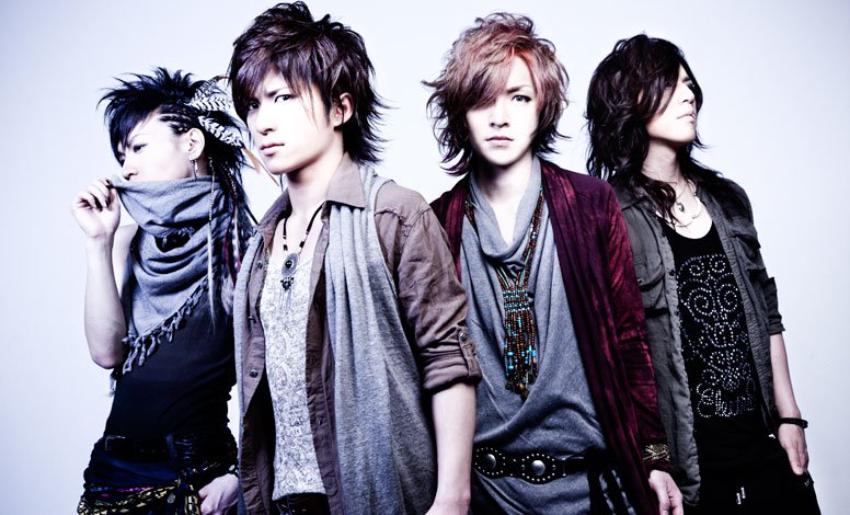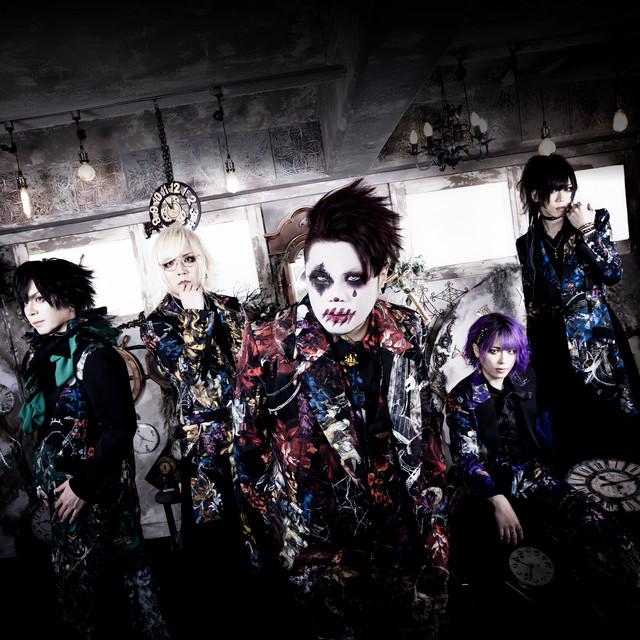
NoGoD

Metal
Heavy Metal
Alternative Rock
 Viberate Rank: 189405
 Viberate Rank: 189405
 Monthly ListenersFollowers
 Subscribers
 Followers
 Followers
 FansTop Spotify Songs
| Track | 7-Day Streams | |
|---|---|---|
1 | 1.24K | |
2 | 1.16K | |
3 | 479 | |
4 | 468 | |
5 | 361 |
Top YouTube VideosMonthly ListenersFeatured in Playlists| Playlist | Followers | |
|---|---|---|
1 |  vkei bangers ^_^ ash?! | 82.96K |
2 |  an actual Vkei playlist euphoric | 16.17K |
3 | J-ROCK Tanya Valerio | 15.46K |
4 |  Japanese Heavy Metal. Thomas | 13.11K |
5 | Japanese Rock Kim Steinbach Reif | 8.41K |
Audience| City | Monthly Listeners | |
|---|---|---|
1 | | 273 |
2 | | 187 |
3 |  | 156 |
4 | | 91 |
5 | | 77 |
See full performance history, audience data, playlist activity, rankings, comparisons, and more in Viberate music analytics. Start with a free trial, then continue with a paid plan.
NoGoD’s Spotify BioThe Tokyo visual kei act NoGod was formed in March 2005 by vocalist Danchou and guitarist Aki, former members of the band Dagger Remain. For the next seven months the group rehearsed in private, undergoing several lineup changes until guitarist Kyrie, bassist Karin, and drummer K became the other permanent members. They played their first gig in October of that year, then toured heavily, self-releasing a series of demo singles that swiftly sold out. Eventually they signed to indie label Art Pop, releasing a mini-album and several more singles. In April 2008, shortly after Aki had left the band to be replaced by Shinno, their first album Mugenkyou ("Dream Teachings") was released.
Originally named Shinkou Shuukyou Gakudan NoGod, the Japanese part of which translates as "The New Religion Band", they oxymoronically styled themselves as a kind of atheist cult, calling their fans "believers" and their gigs and releases "propagations". Nothing in their lyrics is particularly anti-religious,… however, so this seems primarily to be a gimmick. When they signed a major label deal in 2009, they dropped the Japanese words from their name; most fans had referred to them from the start simply as NoGod anyway.
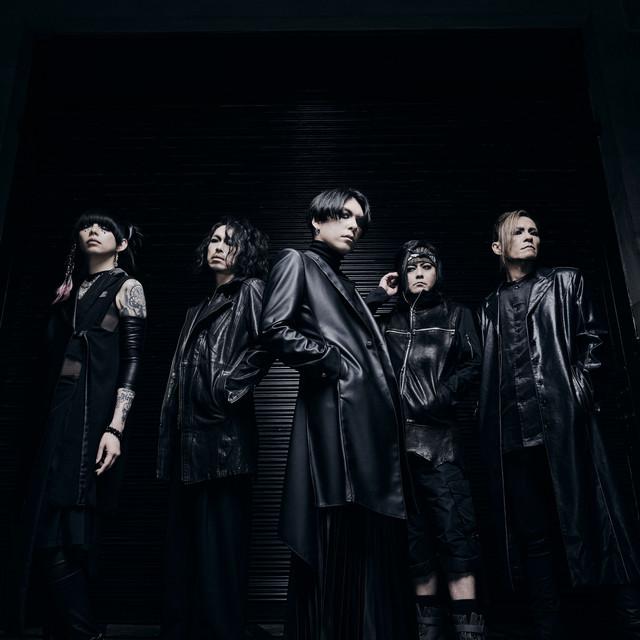
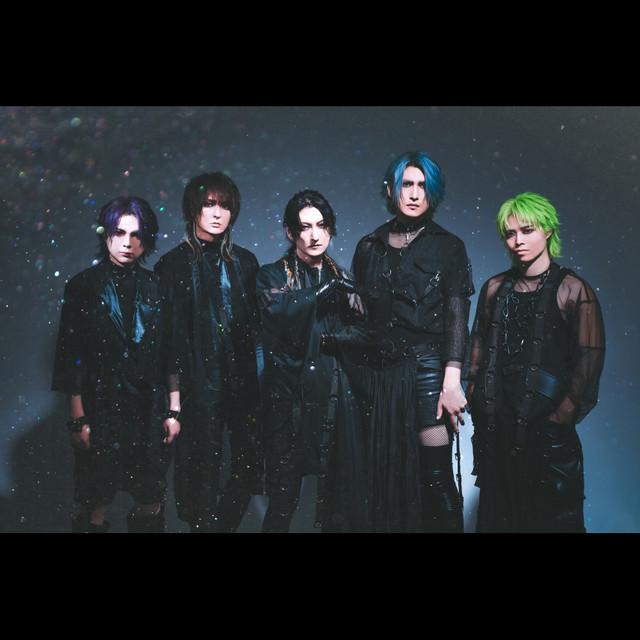
Most visual bands frequently change their "look," and while the other members do this, Danchou's has remained since the release of its first album essentially constant, albeit with tweaks and modifications from time to time. Described by some as looking like a clown, in truth he resembles nothing so much as a gigantic ragdoll, complete with "sewn-on" button eye. This striking image, combined with his theatrical high tenor, make him the focal point of the band.
Despite clownish looks and occasionally self-mocking lyrics (which have been known to poke fun at the whole visual genre), the band contains some of the most technically gifted players in the entire scene. The music can best be described as a cross between the power and technicality of classic European heavy metal and the melodic immediacy of pop. The songs often contain an air of inherent melancholy, and there are flourishes of contemporary genres such as metalcore, especially in the production style.
Perhaps because of this metal element, the group has more male fans in its native Japan than is usual for visual kei, and the music appeals to fans of other visual symphonic metal bands such as Versailles and D. The group was voted No. 8 out of 50 of "most promising newcomer" bands in a 2008 poll of European J-Rock fans -- before a note of its music had been released outside of Japan -- and the 2007 single "Atria" is held up by many fans as one of the greatest visual kei singles of all time. Following its second album Gokusaishiki (Richly Coloured) and the mini-album Rashinban (Compass), in late 2009 it signed a major-label deal with King Records. After a best-of compilation of songs from its indie era, in August 2010 it issued the third album Kakera (Fragments), which was also released in Europe by the German label CLJ. ~ John D. Buchanan, Rovi
Viberate is a music analytics platform built for A&Rs, artist managers, labels, booking agents, marketers, and artists.
It helps music professionals track artist growth, analyze audience data, monitor playlist activity, compare artists, follow song performance, and identify opportunities across the music market.
Public artist pages provide a free preview of selected artist data. Paid plans provide access to deeper analytics, historical data, charts, comparisons, playlist tools, exports, alerts, reports, and additional professional features.
Yes. Public Viberate artist pages provide selected artist analytics and music data for free.
Viberate also offers a 7-day free trial of the full platform. A credit card is required to start the trial. The trial includes access to the complete product so users can test deeper artist analytics, historical views, playlist insights, comparisons, charts, exports, alerts, and reporting features before choosing a paid plan.
Viberate provides artist analytics across streaming, playlists, social media, video, radio airplay, songs, and audience markets.
Users can analyze Spotify performance, Spotify and Apple Music playlists, YouTube activity, TikTok and Instagram growth, radio spins, song performance, audience locations, demographics, rankings, and overall artist momentum.
Artist profiles also connect to music charts, similar artists, and comparison tools, helping users benchmark performance and evaluate artists in context.
Viberate updates key artist and track data daily.
For followed artists and tracks, selected data is refreshed multiple times per day. This helps teams monitor playlist changes, streaming movement, audience growth, releases, and campaign performance with more current data.
Update frequency can vary depending on the metric and data source.
Yes. Viberate lets users compare up to five artists side by side across streaming, social media, audience, and engagement metrics.
Users can compare fanbase growth, audience demographics, locations, Spotify performance, social metrics, and other artist data over selected time periods.
Artist comparison can be used for A&R scouting, benchmarking, booking decisions, campaign planning, and evaluating artists with similar audiences or market positions.